Helping design and engineering professionals discover, evaluate and specify technologies and processes that shorten the design cycle and enable success.



Digital Engineering April 2026
In the latest issue of Digital Engineering, we take a look at the latest innovations in design for additive manufacturing, including the use of natural language inputs, social media cosplayers, and AI integration. The issue also includes a feature…

January Special Focus Issue: Design for Additive
In this Special Focus Issue of Digital Engineering, learn about the latest advancements in design for additive manufacturing, including new software tools, additive in automotive, custom medical devices, and more.
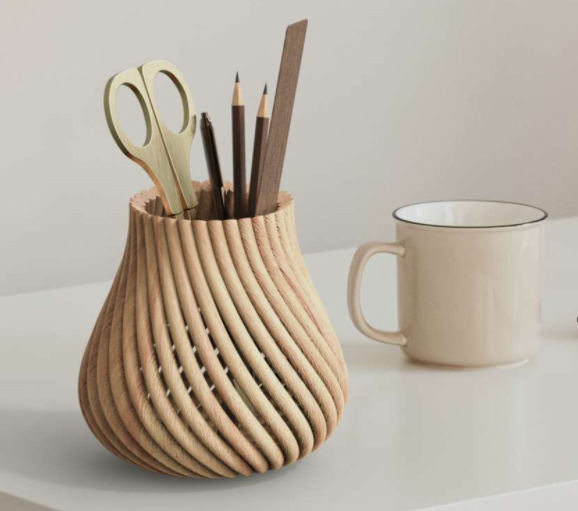
With 3D printing now the production engine for everything from custom prosthetics to spare parts to bespoke clothing, the question is fast becoming what can’t the technology be used to produce. Well, you can check wood parts off the list thanks to Desktop Metal’s new Forust AM process designed for the manufacturing of functional end-use wood parts.
The Forust process employs Desktop Metal’s patented single pass binder jetting AM technology to rematerialize waste byproducts from wood manufacturing (cellulose dust, for example) along with lignin from the paper industry to create isotropic, high-strength wood parts, that incorporate a natural looking digital grain.
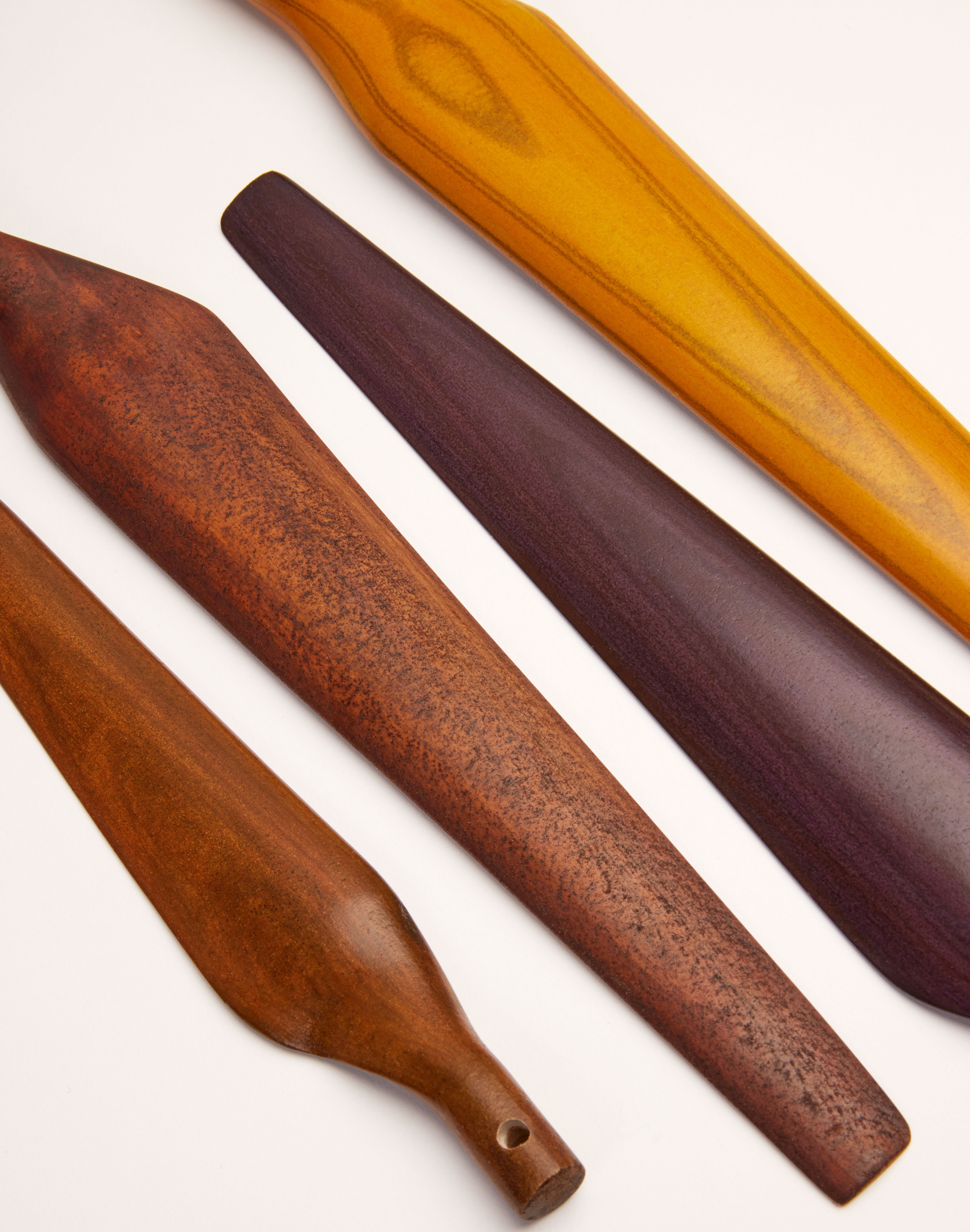
Because the process is based on AM technologies, prospective customers in industries from manufacturing to architectural design can gain access to custom wood pieces for home décor, transportation, or other uses cases that would not be possible to produce with subtractive wood manufacturing methods, officials said. In addition, because the process makes use of waste byproducts, not actual trees, it promotes a circular technosphere and is a more sustainable means of creating wood-like offerings, they added.
“The inspiration for Forust was to begin with sawdust and end with forests,” said Andrew Jeffrey, in a press release announcing the new service. “Through advanced CAD software, proprietary materials, and Desktop Metal binder jetting mass production platforms, we can now manufacture beautiful, functional, and innovative wood products for a variety of architectural, interior, and home goods applications from upcycled wood byproducts,” Jeffrey added.
Depending on the size of the parts, Forust uses either the Shop System or a custom version of the RAM 336 3D printer, which supports prints up to two cubic meters in volume at speeds in excess of 100 liters of parts per hours. With either printer, the layers of specially treated sawdust are spread and joined by a non-toxic and biodegradable binder. Digital grain in printed on every layer, and parts can later be sanded, stained, polished, dyed, or refinished just like any traditional-manufactured wood component. “The finished products are indistinguishable from traditionally manufactured wood products found in a store,” Jeffrey said. “The additive manufacturing process literally becomes invisible.”


Desktop Metal was started to address a problem—how to make metal 3D printing accessible for engineering teams. In 2013, CEO Ric Fulop began collaborating with world-leading experts in materials science, engineering, and 3D printing. Their work…

Beth Stackpole is a contributing editor to Digital Engineering. Send e-mail about this article to [email protected].
Follow DE
Join over 90,000 engineering professionals who get fresh engineering news as soon as it is published.






About Us · Contact Us · Editorial Team · Advertising · Privacy Policy · Subscriber Services · © 2026 Digital Engineering 24/7 · Peerless Media