Helping design and engineering professionals discover, evaluate and specify technologies and processes that shorten the design cycle and enable success.




Digital Engineering April 2026
In the latest issue of Digital Engineering, we take a look at the latest innovations in design for additive manufacturing, including the use of natural language inputs, social media cosplayers, and AI integration. The issue also includes a feature…

January Special Focus Issue: Design for Additive
In this Special Focus Issue of Digital Engineering, learn about the latest advancements in design for additive manufacturing, including new software tools, additive in automotive, custom medical devices, and more.
Metal 3D printing is expanding its reach by air, by land, and now by sea if the U.S. Navy sees positive results as it tests additive manufacturing for ship-building applications.
Back in October, Naval Sea Systems Command announced it had approved a 3D-printed metal drain strainer for use on the aircraft carrier the Harry S. Truman. The prototype part was installed in the carrier’s steam system as part of a one-year trial.
The strainer was originally a cast part that required a nine-month lead time to produce. The printed piece was created by Huntington Ingalls Industries and Newport News Shipbilding, which has been working on on its own maritime printing projects. The printed part took just three days to build.
The company is working with the Navy to establish specifications for 3D printed ship parts.
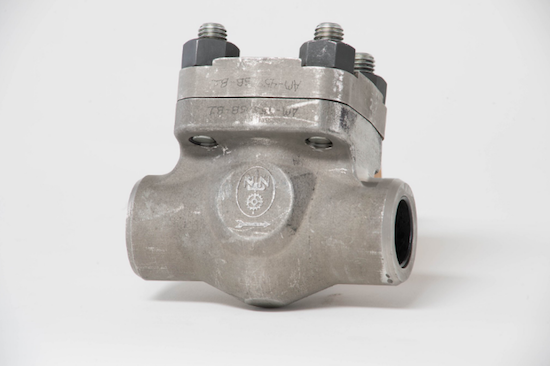
"We're still paving the road because the Navy, rightfully so, has to pay a lot of attention to the reliability of the parts, safety of their sailors and operability of their ships," said Don Hamadyk, Newport News’ director of research and development, in an interview with the NavyTimes. "So, the technical work that we've done over the last, really, four years is all aligned toward making the Navy comfortable with the parts that are going on their ships."
Newport News installed a 3D Systems ProX DMP 320 metal additive manufacturing system at its facility last year.
“We have delved into uncharted territory to create a positive disruption in our industry in much the same way the modern welding processes supplanted rivets, revolutionizing the way ships are built,” said Charles Southall, Newport News’ vice president of engineering and design. “We’re proud to be leading the way.”
The Navy hopes to cut lead times on important parts and find a way to produce spare parts at less cost.
Source: NavyTimes


Brian Albright is the editorial director of Digital Engineering.
Contact him at [email protected].

Join over 90,000 engineering professionals who get fresh engineering news as soon as it is published.






About Us · Contact Us · Editorial Team · Advertising · Privacy Policy · Subscriber Services · © 2026 Digital Engineering 24/7 · Peerless Media