Helping design and engineering professionals discover, evaluate and specify technologies and processes that shorten the design cycle and enable success.




May 2026 Special Focus: Artificial Intelligence in Design and Simulation
In this Special Focus Issue, learn about the latest developments in the integration of artificial intelligence into engineering workflows.

April 2026 Special Focus Issue: Generative Design
In this Special Focus Issue, Digital Engineering takes a look at how generative design solutions can be used across different types of design problems and with a variety of manufacturing approaches to accelerate design space exploration, and…
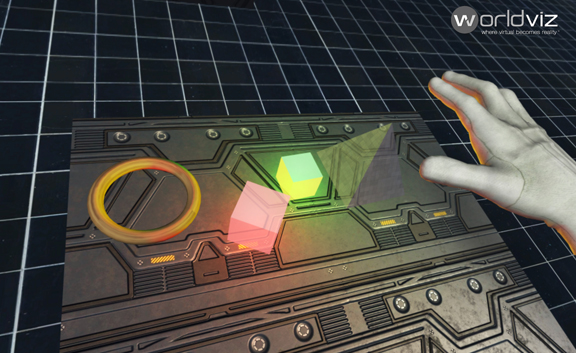
In advance of SIGGRAPH 2018 next week (August 12-16, Vancouver, BC), Worldviz is launching Vizard 6, a new version of its Python-based VR development platform with support for glTF.
glTF (GL Transmission Format) is a 3D scene description format developed by the Kronos Group and distributed royalty free. Touted as the JPEG of 3D, the format is supported by many industry titans, including Autodesk, AMD, NVIDIA, Oculus, and Blender.
"With an embedded Python interface, the user experience [of Vizard 6] is friendly, straightforward, and open, which means users don't have to be a computer programmer to get started," according to Worldviz's announcement.
"Vizard lets users take advantage of open source Python libraries that are widely used by the research community, and supports a range of hardware peripherals and tracking tools that aren’t needed in the games and entertainment world," says Andrew Beall, CEO of WorldViz.

In creasing hardware compatibility, Vizard 6 adds supports for "all Windows Mixed Reality headsets and a number of new peripherals, including the Manus VR Gloves, and Tobii eye-tracking hardware. These new devices have been added to HTC Vive, Oculus Rift, and the 150 + peripherals, trackers, biofeedback monitors, and display types (including headsets and CAVES) that Vizard currently supports with its unique, proprietary and fully integrated VizConnect software tool," the company states.
Support for glTF is expected to accommodate working with scenes and objects authored in engineering-friendly design software programs such as Revit, Solidworks, Maya, Blender, SketchUp, Substance Painter, Modo.
It also lets Vizard users work with readily downloadable 3D content from sites like Sketchfab, uploaded by professional modelers and community members.
For those interested in developing collaborative design review and ergonomic tests in AR-VR environments, the following new functions in Vizard 6 may be noteworthy.
In recent SIGGRAPH shows, AR-VR booths and demos occupy a prominent position, indicating the professional market's increased appetite for such content and systems.


Kenneth Wong is Digital Engineering's resident blogger and senior editor. Email him at [email protected] or share your thoughts or suggestions at digitaleng.news/facebook.
Follow DE
Join over 90,000 engineering professionals who get fresh engineering news as soon as it is published.






About Us · Contact Us · Editorial Team · Advertising · Privacy Policy · Subscriber Services · © 2026 Digital Engineering 24/7 · Peerless Media