Helping design and engineering professionals discover, evaluate and specify technologies and processes that shorten the design cycle and enable success.



May 2026 Special Focus: Artificial Intelligence in Design and Simulation
In this Special Focus Issue, learn about the latest developments in the integration of artificial intelligence into engineering workflows.

Design & Simulation Software Guide 2025
In this Special Issue, Digital Engineering presents its second annual guide to design and simulation software vendors.
BETA CAE Systems introduces two new products as part of its mission to turn the massive volumes of engineering and test data into useful information.
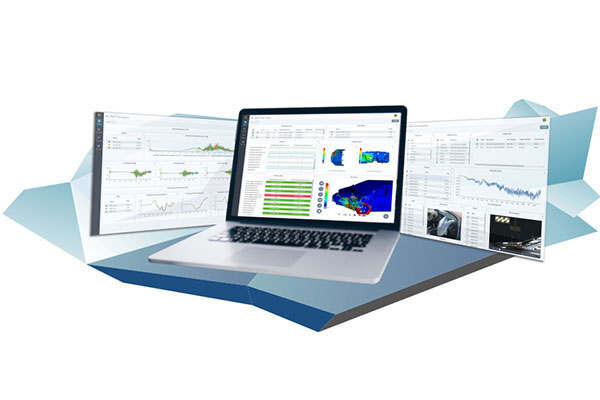
ANSERS is a web application, offering a front-end web dashboard interface for accessing and combining engineering simulation and physical test data. The goal is a more holistic perspective, allowing engineers a thorough way to access, visualize, correlate and share simulation and physical test data.
BETA says ANSERS can help engineering teams accelerate the decision making process by presenting a single source of truth for all related test data. The product offers a set of filters to deal with security restrictions, and to compare data sets accurately. Multiple servers can be connected as data sources. The company says ANSERS offers an easy-to-use query interface, a library of panels to select as dashboard options, and does not need to connect to a specific client application.
A second new product from BETA CAE Systems is FATIQ, a standalone software for fatigue life prediction analyses. The company says FATIQ is a new addition to its primary software suite. The software works as a stepwise workflow manager, with a portfolio of tools to allow multiple types of analysis for engineering models. BETA also says that FATIQ supports a variety of engineering solvers and provides post-processing capabilities to understand fatigue life prediction in frequency and time domain.
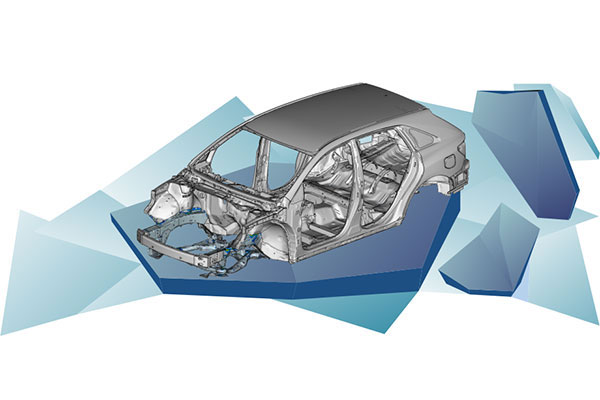
The company says FATIQ requires minimal interaction for use, and is suitable for use by those with a low level of domain expertise. Workflows, data, and options generated can be reused.
These products are now available directly from BETA CAE Systems or from its global network of business partners. Trial versions of ANSERS and FATIQ are available. For more information visit: https://www.beta-cae.com/
Sources: Press materials received from the company and additional information gleaned from the company’s website.


BETA CAE Systems is a private engineering software company committed to the development of state of the art CAE software systems that meet the requirements of all simulation disciplines.
Increasing Passive Safety Performance Using an Automatic CAE Methodology
Development of an integrated tool able to optimize the geometric features of a door trim and the restraint system setup.

DE's editors contribute news and new product announcements to Digital Engineering. Press releases may be sent to them via [email protected].
Follow DE
Join over 90,000 engineering professionals who get fresh engineering news as soon as it is published.






About Us · Contact Us · Editorial Team · Advertising · Privacy Policy · Subscriber Services · © 2026 Digital Engineering 24/7 · Peerless Media