Helping design and engineering professionals discover, evaluate and specify technologies and processes that shorten the design cycle and enable success.


Alert!
Digital Engineering ceased publication on July 1, 2026. This website remains available as an archive of engineering content.
For inquiries or information, please email [email protected].
- Editorial Contributor
Frank Ohlhorst is chief analyst and freelance writer at Ohlhorst.net. Send e-mail about this article to [email protected].Follow Frank
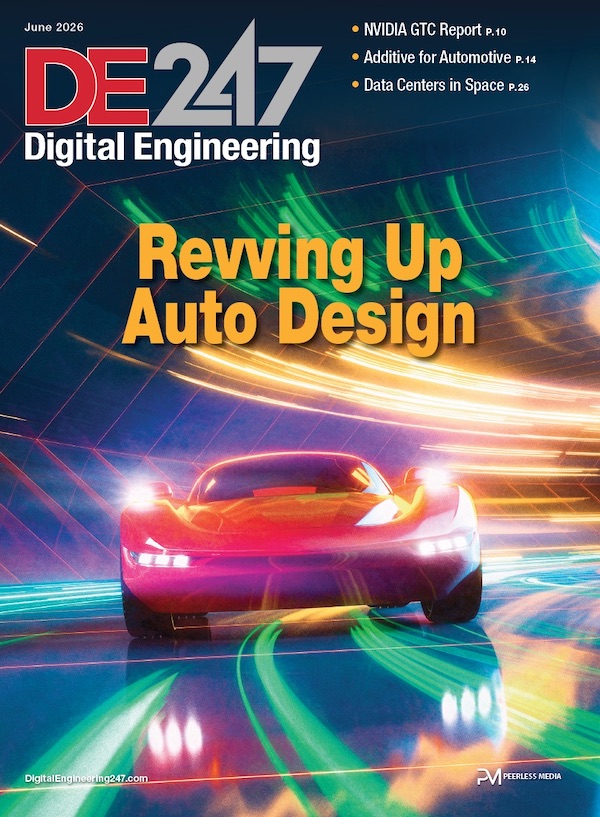
Digital Engineering June 2026
In the latest issue of Digital Engineering, we focus on automotive design innovations, including light and sound simulation, additive manufacturing applications. Our editors head to NVIDIA GTC and RAPID+TCT, and we investigate whether you can…

May 2026 Special Focus: Artificial Intelligence in Design and Simulation
In this Special Focus Issue, learn about the latest developments in the integration of artificial intelligence into engineering workflows.






About Us · Contact Us · Editorial Team · Advertising · Privacy Policy · Subscriber Services · © 2026 Digital Engineering 24/7 · Peerless Media