Helping design and engineering professionals discover, evaluate and specify technologies and processes that shorten the design cycle and enable success.


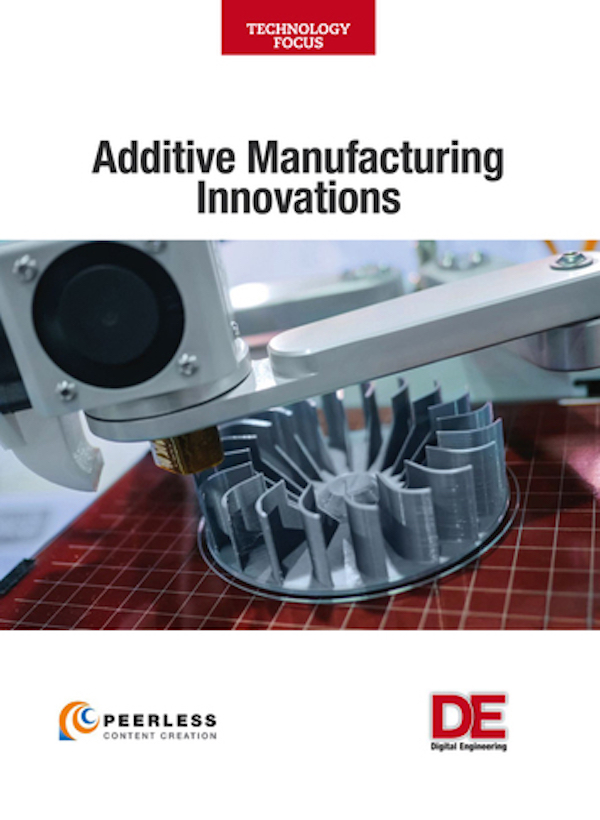
Automating an essential part in design for additive manufacturing.
Impressed with all the cool shapes you can build on a 3D printer? What’s even more cool are all the different materials you can use to make them.
Plug-ins and new formats help preserve model integrity in the roundtrip journey.
Simulation software offers promise in the desire for repeatable, standardized 3D metal prints.
Increased use of AM means the CAD model may well be used for countless variations of a product or part.
3D printing expands deeper into developing areas of innovation, including biotechnology.
Engineers need to evaluate part complexity, design freedom and time-tomarket considerations when making a business case for metal 3D printing.
AM used in a production capacity can be susceptible to design IP theft, counterfeiting and malicious operational interference. Here’s what some researchers and vendors are doing to mitigate risk.
When it comes to metal-based AM, organizations are looking to harness the power of graphics processing units.
Design for additive manufacturing is pushing more companies to tap into cloud and high-performance computing resources.




About Us · Contact Us · Editorial Team · Advertising · Privacy Policy · Subscriber Services · © 2026 Digital Engineering 24/7 · Peerless Media