Helping design and engineering professionals discover, evaluate and specify technologies and processes that shorten the design cycle and enable success.




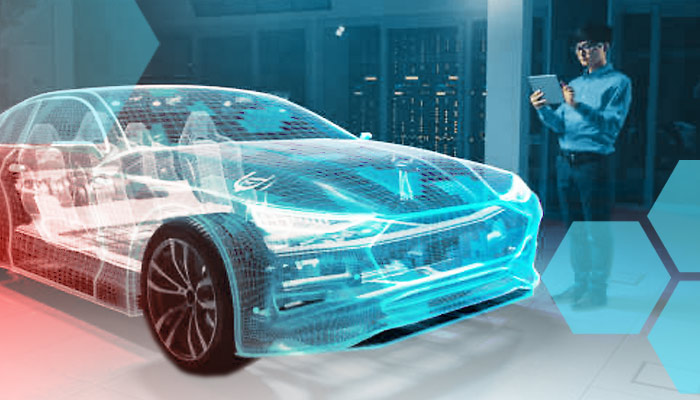 Design processes have been disrupted by demands for faster product iterations, more complex products, and the increased integration of software, electronics, and mechanical systems. Learn how simulation-led design approaches and new technologies (such as generative design) are revolutionizing workflows and improving product quality.
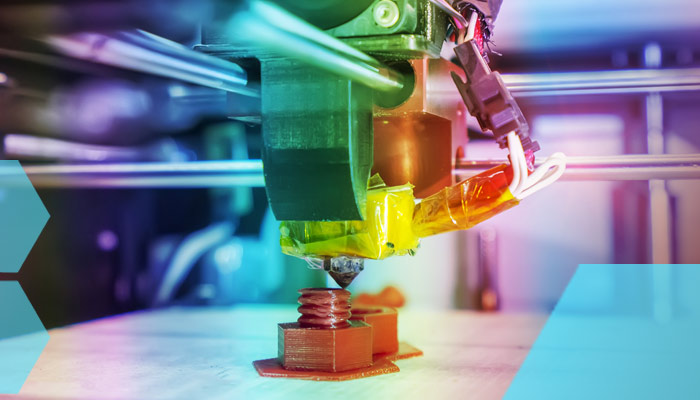 Additive manufacturing has evolved from a niche technology for producing prototypes to a key enabler of digital manufacturing. Organizations in the aerospace, defense, automotive and other industries are printing both plastic and metal components for end-use applications. Learn about the latest trends in materials, design-for-additive (DfAM) approaches, and emerging 3D printing technologies.
 Engineering workstations — from desktop systems to mobile computers — have seen an unprecedented boost in compute power over the past several years. Learn how to best take advantage of new high-powered CPUs and GPUs, and what you need to know to configure the right workstation for your engineering workflows.
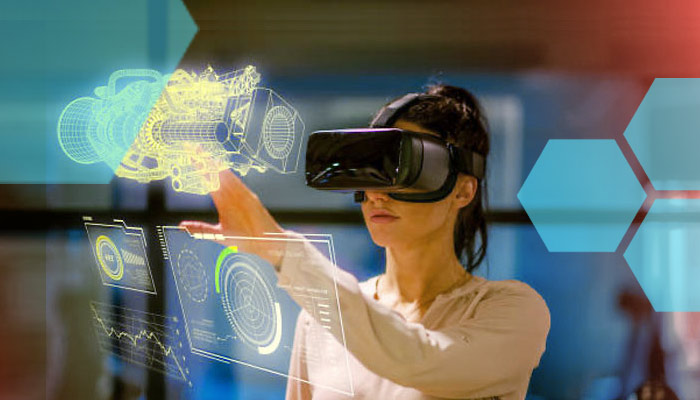 Digital twins are virtual models of physical products and components, and could play a large role in digitalization strategies. This session will cover how digital twins will impact the design and manufacturing process, how organizations can leverage the data created by these models, the role of artificial intelligence in developing these twins, and what enabling technologies will be required for a successful deployment.




About Us · Contact Us · Editorial Team · Advertising · Privacy Policy · Subscriber Services · © 2026 Digital Engineering 24/7 · Peerless Media