Helping design and engineering professionals discover, evaluate and specify technologies and processes that shorten the design cycle and enable success.




Digital Engineering April 2026
In the latest issue of Digital Engineering, we take a look at the latest innovations in design for additive manufacturing, including the use of natural language inputs, social media cosplayers, and AI integration. The issue also includes a feature…

January Special Focus Issue: Design for Additive
In this Special Focus Issue of Digital Engineering, learn about the latest advancements in design for additive manufacturing, including new software tools, additive in automotive, custom medical devices, and more.
Disney Accelerator companies participate in a three-month mentorship and investment program, receive up to $120,000 in investment capital, and get mentoring support from Disney executives and executives from affiliated companies like Lucasfilm and Marvel.
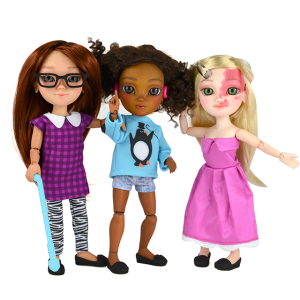
One recipient, MakieLab, is using 3D printers to create custom toys. Founded by Alice Taylor in 2012, the company has already garnered a lot of attention by being one of the first general consumer products made via 3D printing. The dolls' heads are fully customizable, and customers can select from a variety of 3D printed accessories. The dolls are made on demand and sold via online partners like Amazon and the 3D Systems Cubify network.
Customers create the dolls using the Makie Creator online portal and mobile app to select hair, eyes, face shape, clothing and other options. The dolls are printed in the UK, and the clothes are hand made in the company's London offices. MakieLab currently uses Cube 3D printers, as well as MakerBot and Ultimaker printers to create all of the plastic pieces. Because of the company's rapid growth, Taylor has indicated that MakieLab may switch to injection molding for the doll bodies (which are not customized) to reduce the price of the dolls, which currently sell for more than $100.
The other 3D printing recipient is Open Bionics. The Bristol, UK-based robotics firm makes affordable 3D-printed bionic hands for amputees, researchers and makers.
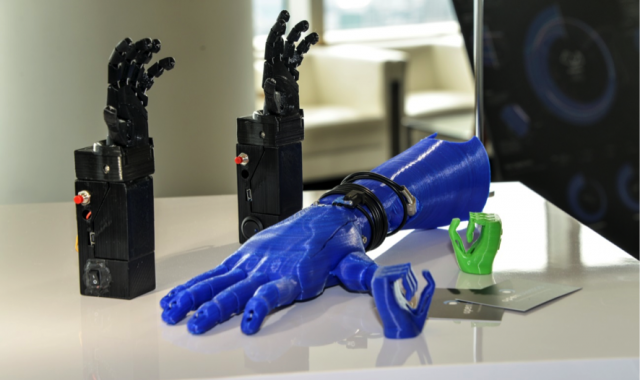 Open Bionics was founded by former National Instruments engineer Joel Gibbard and business partner Samantha Payne. When we wrote about them last year, the company had developed prosthetics that cost roughly $1,800, significantly less expensive than similar products currently on the market.
The hands use DC motors and electrodes to control the plastic fingers via a series of steel "tendons." The plastic parts are 3D printed and coated with a synthetic rubber skin.
You can see a complete overview of the other companies here.
Source: The Wrap


Brian Albright is the editorial director of Digital Engineering.
Contact him at [email protected].

Join over 90,000 engineering professionals who get fresh engineering news as soon as it is published.






About Us · Contact Us · Editorial Team · Advertising · Privacy Policy · Subscriber Services · © 2026 Digital Engineering 24/7 · Peerless Media