Helping design and engineering professionals discover, evaluate and specify technologies and processes that shorten the design cycle and enable success.


Sponsored

Cut Retrieval-Augmented Generation (RAG) Hallucinations by 50%
Most teams hit the same wall with enterprise AI: LLMs that hallucinate, pipelines that don’t scale, and infrastructure that’s harder to design than the models themselves.

What Is Intelligent BOM Management? A Guide to Smarter Product Development
Learn how intelligent Bill of Materials (BOM) management helps teams collaborate, reduce errors, and bring innovative products to market faster with cloud-based PLM tools.
Cutting-edge, earthquake-resistant construction is often not available or practiced in emerging nations. Instead of introducing completely new technologies or reintroducing methods that have gone out of style, Build Change engineers focus on small, low-cost improvements to existing, culturally preferred ways of building.
Tactics like developing strengthening techniques for mud and stone homes in Nepal or providing technical training to Haitian construction workers on the best way to mix concrete can make all the difference in future natural disasters.
Even so, without the demand for safer housing from homeowners, these tactics would not result in permanent change. By working with people involved in each step of the construction process, Build Change leaves behind innovations that these communities can easily – and permanently – implement.
Providing the right training and skills for local officials and builders to enforce and execute stronger building standards, Build Change works toward the results that matter most: countless lives saved in the event of another catastrophe.
Whether it’s cement or software, at the core of Build Change’s theory of change is the availability of the right technology. Without it, the barriers to success are too high. That same thinking applies to the computers used by the engineers and architects who staff Build Change projects.
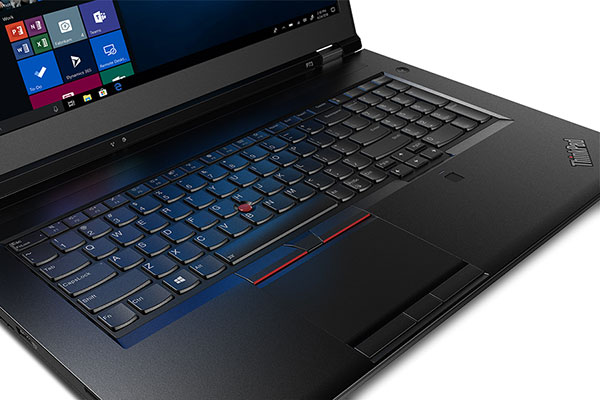
They use ThinkStation and ThinkPad P Series workstations to take full advantage of Autodesk’s 3D modeling capabilities, so their designs can stand up under any condition.


We are proud to be the world's largest PC vendor. Our portfolio also includes workstations, servers, storage solutions, IT management software, smart TVs, tablets, smartphones, and even apps.As the world becomes faster, more demanding, and…
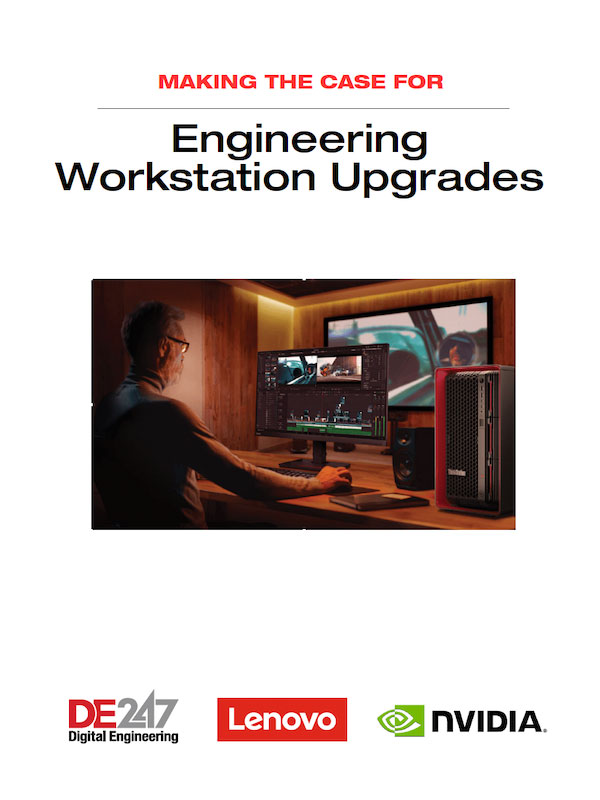
Making the Case for Engineering Workstation Upgrades
In this Making the Case whitepaper, Lenovo outlines how upgrading to the latest generation of professional workstations can provide a return on investment through increased engineering efficiency and greater flexibility.

Join over 90,000 engineering professionals who get fresh engineering news as soon as it is published.






About Us · Contact Us · Editorial Team · Advertising · Privacy Policy · Subscriber Services · © 2026 Digital Engineering 24/7 · Peerless Media