Helping design and engineering professionals discover, evaluate and specify technologies and processes that shorten the design cycle and enable success.



Digital Engineering September 2025
In the September issue of Digital Engineering, we look at trends in engineering education, how engineering schools are handling DfAM, the limitations of ROMs, VR engineering workflows, reports from the Paris Air Show and Hexagon LIVE, and more.
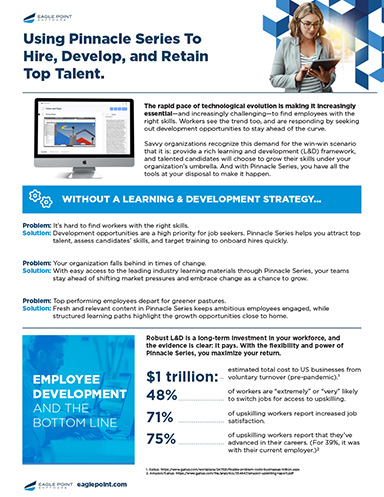
How Pinnacle Series Helps AEC Firms Attract, Train, and Retain Top Talent
Discover how AEC firms use Pinnacle Series to solve hiring challenges, upskill employees, and reduce turnover with personalized learning, skill assessments, and role-based training.
Digital Engineering magazine sat down with Society of Women Engineers Executive Director and CEO Karen Horting, CAE, to discuss the challenges and opportunities facing engineers — particularly women engineers — in the new year. Here is what she had to say.
What are the key challenges and opportunities facing engineers as we look ahead to 2026?
Karen Horting: One of the ongoing challenges we still see is that systemic barriers continue to make it harder for women to fully thrive in engineering and technology. Our research shows women often face obstacles ranging from gender stereotypes and unwelcoming working environments to microaggressions, pay gaps, and fewer chances to advance compared with their male colleagues. These challenges are compounded for those with intersecting identities, such as women of color or members of the LGBTQ+ communities. As SWE celebrates our 75th anniversary, we’re as committed as ever to empowering women to achieve their full potential as engineers and leaders, through education, leadership opportunities, its global community, and encouragement.
Discriminatory influences often begin early. Many girls are still steered away from STEM, even though their abilities are equal to boys. When adults offer less encouragement, when there are fewer role models to look up to, or when girls have unequal access to STEM experiences or education, it can discourage talented students around the world from choosing STEM pathways. SWE aims to change that through programs like SWENext, which welcomes students ages 5-18 into the engineering and technology community. SWENext clubs, supportive adult advocates, hands-on learning opportunities, and other SWE resources, empower girls and boys to explore STEM, connect with women engineers and technologists in their communities, and gain recognition for their achievements.
In the U.S., the current administration’s ongoing efforts to dismantle diversity, equity, and inclusion programs pose a serious challenge, as these policies affect programs and initiatives that can help women overcome the barriers they face. SWE continues to provide a strong global community of women engineers and allies where every woman engineer feels seen, supported, and empowered to lead. By offering professional and technical skills training, leadership opportunities, and national, local, and global events where women can gather to learn from and support one another, SWE is taking the lead in helping women thrive as engineers and technologists despite these persistent systemic roadblocks.
On the technical side, we’re seeing the rise of AI as both a challenge and an opportunity. Many high-tech companies have laid off thousands of technical employees, ostensibly due to efficiencies driven by AI, limiting opportunities for entry-level hires. And because many AI systems have been programmed with inherent gender biases, they can unintentionally reinforce inequities. Still, all engineers, including women, who sharpen their AI skills will be poised to capitalize on the growing demand for talent in this space. Many companies are even requiring some level of AI competence for continued employment and promotion. AI isn’t going anywhere.
Another issue facing women in all careers is the growing push for a full return to the office. These mandates can be even harder for women who manage additional caregiving responsibilities. At the same time, working in the office for some amount of time each week does increase visibility with managers and create more opportunities for informal learning and mentorship. SWE’s educational resources, including its Advance Learning Center, SWE Magazine, and Diverse podcast give professionals a wide range of tools to help navigate these issues and design careers that truly work for them.
What steps do you think industry and academia could take to help expand the pool of engineering students and new engineers and encourage their retention in the industry?
Horting: Here’s a staggering statistic: In the U.S. alone, the engineering industry faces a net shortage of 18,000 professionals annually, according to the ACEC Research Institute. Everyone in our ecosystem has an important role to play. Industry and academia need to keep building and expanding opportunities that introduce girls and young women to STEM careers early on. Employers also play a big role by establishing clear, formal pathways for mentorship, sponsorship, and advancement for everyone in STEM. Research consistently shows that when teams bring diverse perspectives to the table, they produce more creative and effective solutions.
In the wake of cuts to federal grants supporting STEM and DEI research, employers and research organizations have a unique and powerful opportunity to step in. Providing scholarships, paid internships, research funding, and other forms of support can make a real difference for girls and women interested in pursuing STEM careers.
Lastly, engineering and technology employers need to stay committed to equitable representation, ensuring women and members of other historically marginalized groups have meaningful opportunities to advance and developing formal processes that help ensure women feel included, valued, and respected.
What are SWE's top priorities as we look ahead to next year?
Horting: SWE will continue our unwavering focus on diversity, equity, inclusion, and belonging, for both our 50,000+ members across the globe and the engineering industry as a whole. Instrumental to the work we are doing is that our membership is open to and consists of all genders. Allies are a critical piece of this complex puzzle we are trying to solve.
Through our ongoing public policy efforts, SWE will continue to advocate for policies that support women and girls in all areas of STEM and throughout the engineering and technology pipeline, including the recent reintroduction of the STEM RESTART Act in the 119th Congress.
On the global front, the Society will continue our focus on expanding our presence with new local affiliates and global ambassadors, as well as more in-person educational sessions and conferences worldwide.
Our mission has been steadfast for 75 years and will remain so for 75 more. SWE is proud to be the leading champion and catalyst for change to help ensure women have the access, the opportunity, and the support they need to reach their full potential as engineers and leaders.
To learn more about SWE, visit the organization’s website.



DE's editors contribute news and new product announcements to Digital Engineering. Press releases may be sent to them via [email protected].
Follow DE
Join over 90,000 engineering professionals who get fresh engineering news as soon as it is published.






About Us · Contact Us · Editorial Team · Advertising · Privacy Policy · Subscriber Services · © 2026 Digital Engineering 24/7 · Peerless Media