Helping design and engineering professionals discover, evaluate and specify technologies and processes that shorten the design cycle and enable success.


Sponsored
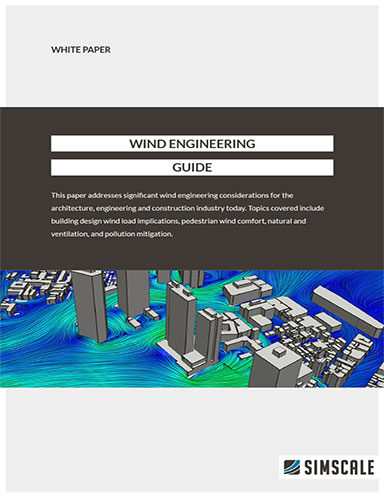
Any building design project is a complicated endeavour that consists of multiple phases and requires contributions from multiple disciplines. Wind engineering exists as one of these disciplines, and is the science behind combining fluid mechanics with wind and thermal comfort to ensure safe and functional living conditions for humans. Designing structures that will last depends on the ability of engineers to understand and predict the behavior of wind.
This specific requirement fuels the centuries-long quest for equations and rules to model fluid flow, a quest that is still relevant today and poised to drive research for many years to come in both meteorology and engineering academias.
This guide explores wind engineering considerations for the initial and planning phases of the building design process including wind load, pedestrian wind comfort, ventilation, and pollution mitigation.

SimScale enables engineering teams to access accurate and fast simulation, on their terms, without compromise. We make engineering simulation technically and economically accessible from everywhere, at any time, and at any scale, in the cloud. We…

Microclimate Simulation for Urban Design
A cloud-native simulation platform allows architects and engineers to simulate and analyze high-fidelity models with complex physics for urban design.




About Us · Contact Us · Editorial Team · Advertising · Privacy Policy · Subscriber Services · © 2026 Digital Engineering 24/7 · Peerless Media