Helping design and engineering professionals discover, evaluate and specify technologies and processes that shorten the design cycle and enable success.



Digital Engineering April 2026
In the latest issue of Digital Engineering, we take a look at the latest innovations in design for additive manufacturing, including the use of natural language inputs, social media cosplayers, and AI integration. The issue also includes a feature…

January Special Focus Issue: Design for Additive
In this Special Focus Issue of Digital Engineering, learn about the latest advancements in design for additive manufacturing, including new software tools, additive in automotive, custom medical devices, and more.
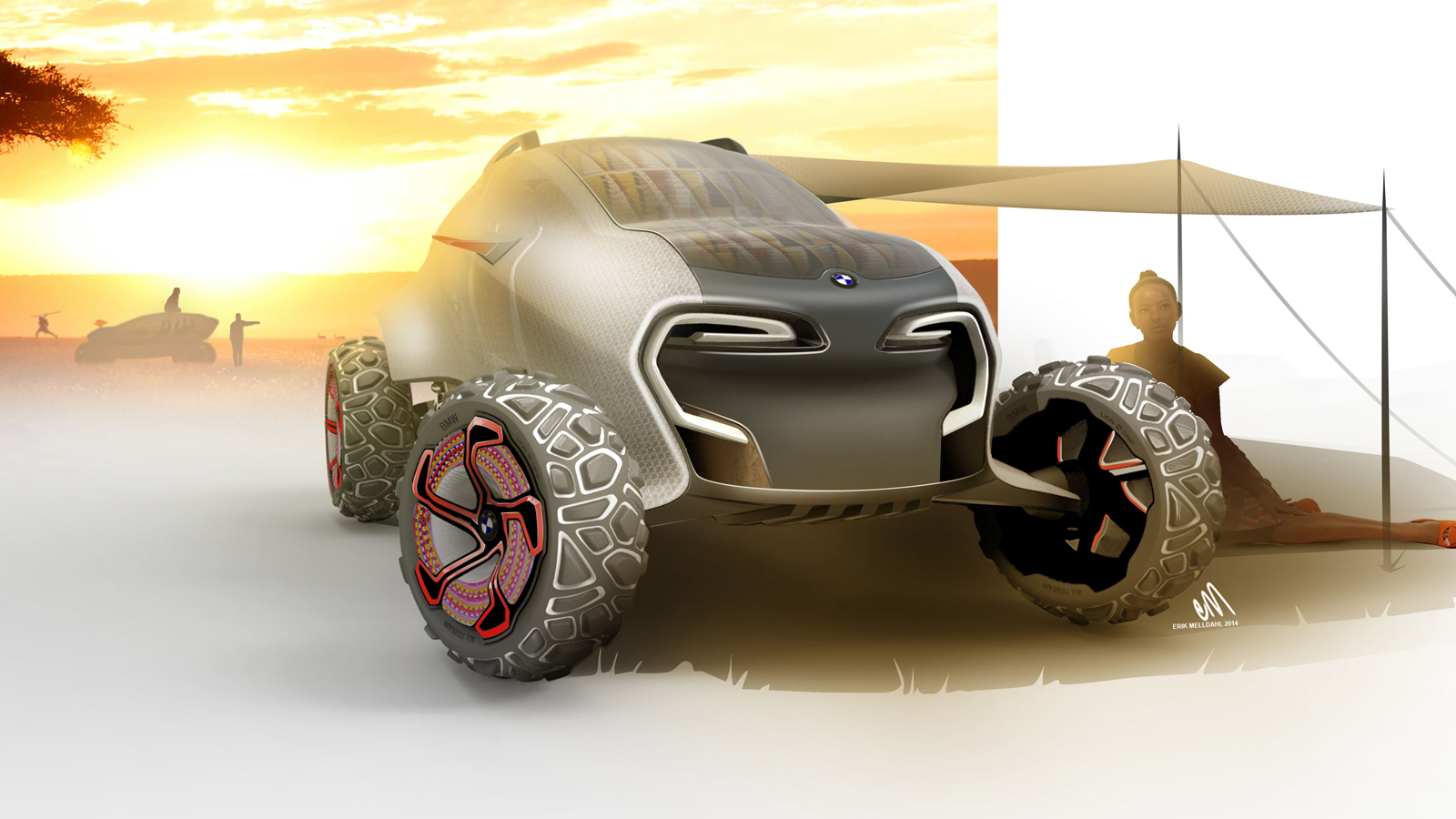
Erik Melldahl is pushing further into green technology. Melldahl’s work for his Master’s thesis at Umeå Institute of Design attracted the attention of BMW, and the result is a concept vehicle with a biodegradable body designed for use in Africa. He calls his creation the Maasaica, drawing upon the Latin name for lions found in Kenya, Panthera Leo Masaica.
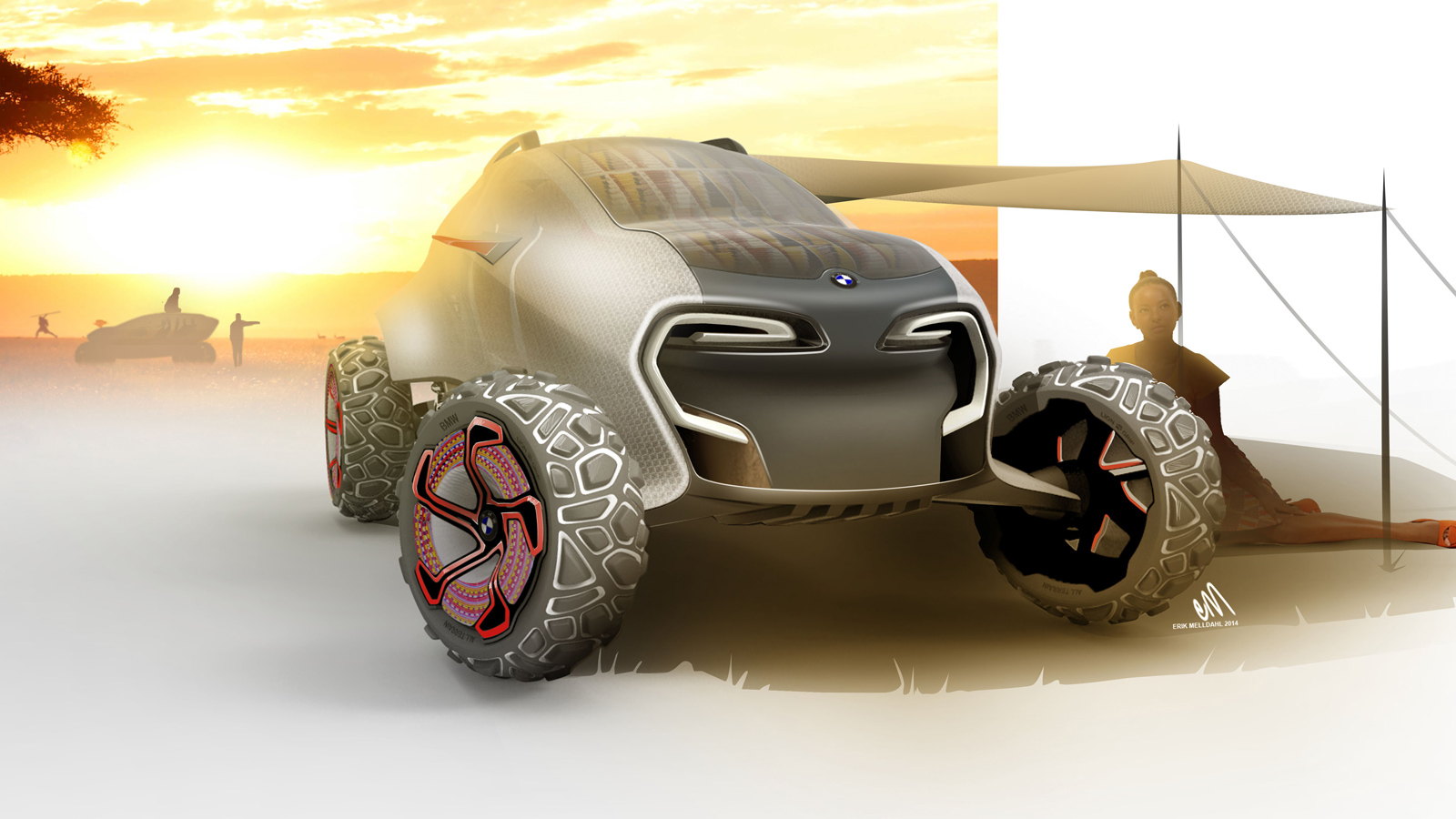 The Maasaica is an environmentally friendly, sustainable concept vehicle. Courtesy of Erik Melldahl.
Melldahl outlines the motivations behind the concept vehicle on his website:
The automotive industry is conservative and doesn’t take enough responsibility in emerging markets. Thus, countries such as China and India have experienced huge problems with pollution as they have increased their living standards and entered the western consumption society. In these booming economies there are still people who live their lives according to old customs, in small sustainable societies. It is also they who suffer most from the ongoing urbanization. Hence the automotive industry should rather adapt to their cultures than let these people adjust to the consumption society.
The Maasaica is intended to be built in the Serengeti through licensing agreements with BMW and financial support of the government. The body of the concept vehicle is constructed from a mixture of grass and mycelium (a mushroom) that can be formed, sometimes by using a specially redesigned AM system, into solid shapes.
Once the proper shape has been formed, the mixture is submerged in water. As the mycelium grows it slowly replaces the water and bonds to the grass, eventually forming a sort of cork-like solid. According to Melldahl’s plan, the solid is then reinforced with a layer of 3D printed plastic.
In addition to a biodegradable body, the Maasaica has also been designed to act as a water collector during the night time, providing both the vehicle and its owner with water. Solar panels will absorb the abundant light of the Serengeti to provide enough energy to power the vehicle. Additionally, BMW plans to set up a cloud to monitor the impact of the vehicle on the Serengeti, as well as monitoring it for general maintenance needs.
While the Maasaica is a promising development for an environmentally sustainable vehicle, it isn’t likely to see production any time soon. It’s more likely Local Motors or Kor Ecologic will produce the first economically viable 3D printed vehicle, though neither is likely to be as green as the Maasaica. Below you’ll find a video about the Serengeti.
Source: erikmelldahl.se


John Newman is a Digital Engineering contributor who focuses on 3D printing. Contact him via [email protected] and read his posts on Rapid Ready Technology.
Follow DE
Join over 90,000 engineering professionals who get fresh engineering news as soon as it is published.






About Us · Contact Us · Editorial Team · Advertising · Privacy Policy · Subscriber Services · © 2026 Digital Engineering 24/7 · Peerless Media