Helping design and engineering professionals discover, evaluate and specify technologies and processes that shorten the design cycle and enable success.



Digital Engineering April 2026
In the latest issue of Digital Engineering, we take a look at the latest innovations in design for additive manufacturing, including the use of natural language inputs, social media cosplayers, and AI integration. The issue also includes a feature…

January Special Focus Issue: Design for Additive
In this Special Focus Issue of Digital Engineering, learn about the latest advancements in design for additive manufacturing, including new software tools, additive in automotive, custom medical devices, and more.
Polymer materials represent what is probably the most commonly used AM material, at least for now. PLA and ABC are the usual suspects with proven characteristics to provide medium quality prints with almost any AM system. Australia’s branch of Chemson Pacific hopes to change the playing field with its new material called 3D Vinyl. While that might sound like an album hipsters would buy, the company says it represents the first PVC fit for 3D printing.
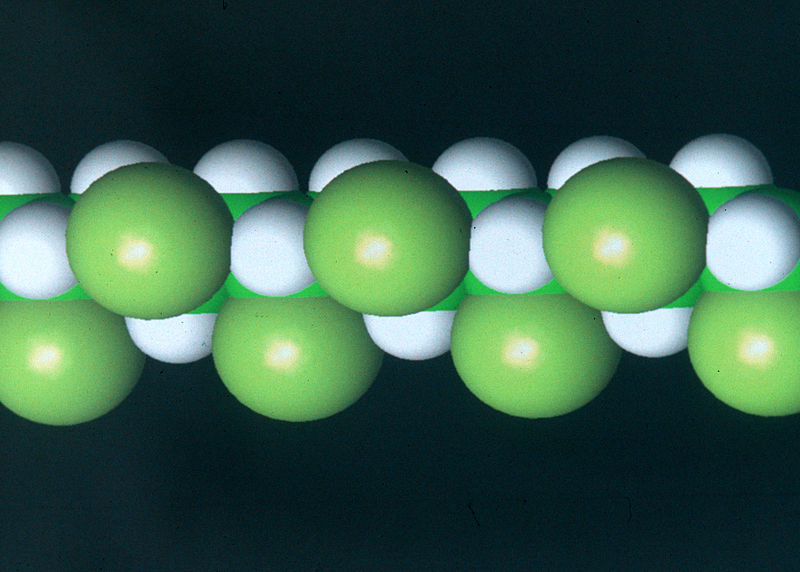 PVC has joined the AM materials family. Courtesy of CSIRO.
"3D Vinyl is a definitive new 3D printing material that will bring a combination of physical properties not available with the current incumbent polymeric materials,” said Dennis Planner of Chemson Pacific. “3D printing is currently one of the fastest growing, value-adding industries internationally and will be an important source of mentally stimulating career paths and new business growth for the future, which I’m absolutely proud to be a part of. 3D Vinyl brings a new era for the PVC industry and advanced manufacturing, here in Australia and worldwide."
According to the company, 3D Vinyl offers the following advantages:
PVC is one of the most commonly used plastics in the world, and this development further narrows the gap between conventional manufacturing and 3D printing. Below you’ll find a video about PVC.
Source: PR Wire


John Newman is a Digital Engineering contributor who focuses on 3D printing. Contact him via [email protected] and read his posts on Rapid Ready Technology.
Follow DE
Join over 90,000 engineering professionals who get fresh engineering news as soon as it is published.






About Us · Contact Us · Editorial Team · Advertising · Privacy Policy · Subscriber Services · © 2026 Digital Engineering 24/7 · Peerless Media