Helping design and engineering professionals discover, evaluate and specify technologies and processes that shorten the design cycle and enable success.




Digital Engineering April 2026
In the latest issue of Digital Engineering, we take a look at the latest innovations in design for additive manufacturing, including the use of natural language inputs, social media cosplayers, and AI integration. The issue also includes a feature…

January Special Focus Issue: Design for Additive
In this Special Focus Issue of Digital Engineering, learn about the latest advancements in design for additive manufacturing, including new software tools, additive in automotive, custom medical devices, and more.
3D printing is transforming the dental industry. While rapid technologies won’t help you keep your teeth clean, they do assist dentists in creating crowns, bridges, stone models, and any number of useful orthodontic appliances. Not only can these parts be created more quickly, but the products can also be built more accurately.
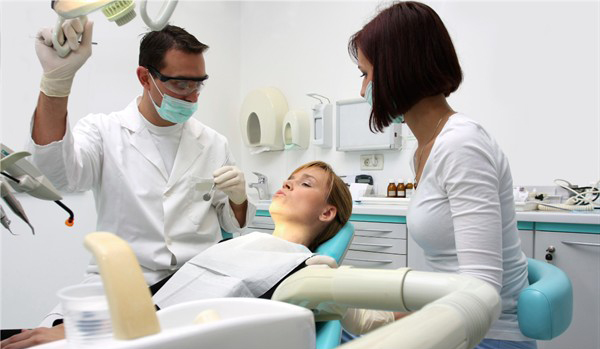
A new process called intra-oral scanning creates 3D images of a patient’s chompers. The digital file created from the scan is then used as the basis for whatever sort of dental work needs to be done. This process eliminates the need for molded impressions of a patient’s teeth as well as the whole process of creating a mold from the impression.
According to orthodontic manufacturer Align:
By enabling the dental practitioner to create a 3D image of the patient's teeth using a handheld intra-oral scanner inside the mouth, intra-oral scanning is more efficient and precise and more comfortable for patients, compared to the mess, discomfort, and subjective nature of taking physical impressions. The digital model created with an intra-oral scanner is more accurate than a physical impression and substantially reduces the rate of restoration "remakes" so patients are recalled less often and the appointment time for the restoration is shorter because of fewer adjustments, which results in greater overall patient satisfaction.
According to a study by iData Research, the use of intra-oral scanners will increase by 20% by the year 2015. iData also predicts that 3D printing use in dental prosthetics will grow to a $16.3 billion market by 2017. That’s a significant enough figure to draw attention from outside the dental industry, which means more exposure for AM.
Check out Rapid Ready’s coverage earlier this year of a more extensive use of AM to replace the jawbone of 83-year-old woman.
Below you’ll find a video about how 3D printers help to create new teeth.
Sources: Seeking Alpha, Align


John Newman is a Digital Engineering contributor who focuses on 3D printing. Contact him via [email protected] and read his posts on Rapid Ready Technology.
Follow DE
Join over 90,000 engineering professionals who get fresh engineering news as soon as it is published.






About Us · Contact Us · Editorial Team · Advertising · Privacy Policy · Subscriber Services · © 2026 Digital Engineering 24/7 · Peerless Media