Helping design and engineering professionals discover, evaluate and specify technologies and processes that shorten the design cycle and enable success.




Design & Simulation Software Guide 2025
In this Special Issue, Digital Engineering presents its second annual guide to design and simulation software vendors.

Design & Simulation Software Guide
In this Special Issue, Digital Engineering presents its inaugural guide to design and simulation software vendors, including listings for CAD, CAM, simulation, generative design, PLM, rendering and visualization, design for additive manufacturing,…
The PTC Systems Engineering Solution is a packaged offering that ties together the Integrity Application Lifecycle Management (ALM) products with Atego, a suite of architectural modeling and Model-Based Systems Engineering (MBSE) solutions. As an integrated portfolio of products, the PTC Systems Engineering Solution is designed to help companies across industries develop the next generation of "smarter, connected" products, as PTC likes to say, which require a significantly higher level of cross-disciplinary collaboration.
 PTC's Systems Engineering Solution integrates the Integrity Application Lifecycle Management (ALM) products with Atego's model-based systems engineering solution. Image Courtesy of PTC
While aerospace and defense have been at the systems engineering discipline for decades, mainstream industries like consumer electronics are now starting to follow suit. As products from home thermostats to cars maintain a deeper reliance on embedded software and a higher degree of variability, there's a requirement for an integrated development platform that ties together system requirements, system modeling, and validation, according to John Wylie, PTC's vice president of Systems Engineering Solution Management.
"The world is getting more complicated for our customers and it elevates the way they need to handle things more systematically at a systems level," he explains. This new offering, an evolution of the individual products PTC has marketed for the last year or so, is designed to help companies understand their customers' needs and architect the system design before having specifics on the detailed design work. "This comes before and after traditional PLM," he explains. "It's about making sure market requirements are met, that the virtual prototype is validated, and that testing is performed and the results meet the needs of the customer."
The PTC Systems Engineering Solution includes:
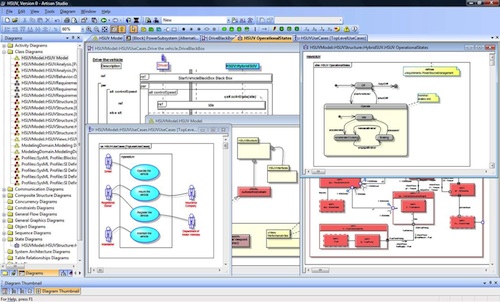
The components are intended to help organizations design products with a collaborative MSBE approach, which PTC, citing analyst research, says aids in delivering 23% more projects on time, at 62% lower cost than alternative approaches. To facilitate an MBSE approach, the PTC Systems Engineering Solution supports requirements engineering, including the ability to capture and communicate the voice of the customer; system design; and trade-off analysis of design options.
The platform also fosters the reuse of system artifacts through capabilities such as modular design, product line modeling, and requirement, model and test reuse. To facilitate the validation workflow, the platform has capabilities for model verification, test management, traceability and governance.
Watch this video to hear PTC execs explain the company's vision for a systems engineering portfolio:


Beth Stackpole is a contributing editor to Digital Engineering. Send e-mail about this article to [email protected].
Follow DE
Join over 90,000 engineering professionals who get fresh engineering news as soon as it is published.






About Us · Contact Us · Editorial Team · Advertising · Privacy Policy · Subscriber Services · © 2026 Digital Engineering 24/7 · Peerless Media