Helping design and engineering professionals discover, evaluate and specify technologies and processes that shorten the design cycle and enable success.



May 2026 Special Focus: Artificial Intelligence in Design and Simulation
In this Special Focus Issue, learn about the latest developments in the integration of artificial intelligence into engineering workflows.

April 2026 Special Focus Issue: Generative Design
In this Special Focus Issue, Digital Engineering takes a look at how generative design solutions can be used across different types of design problems and with a variety of manufacturing approaches to accelerate design space exploration, and…
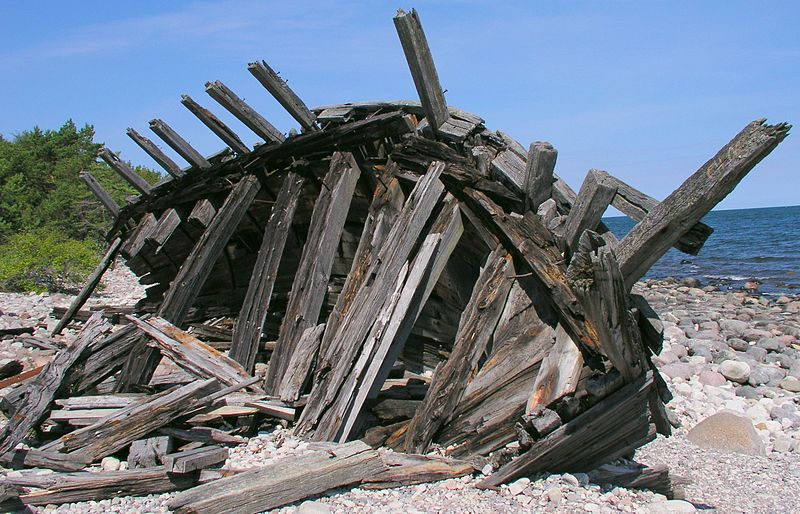
Part of the UNC Coastal Studies Institute’s mandate is to preserve and record shipwrecks wherever they are found, both on land and in the sea. Generally, a shipwreck that washes ashore faces rapid destruction both from the pounding of the waves and the slow drying out process that leeches preserving water from the structure. In the past, UNC teams have had to race against the clock to capture images of beached wrecks, but advances in 3D technology have made documenting such finds easier and faster.
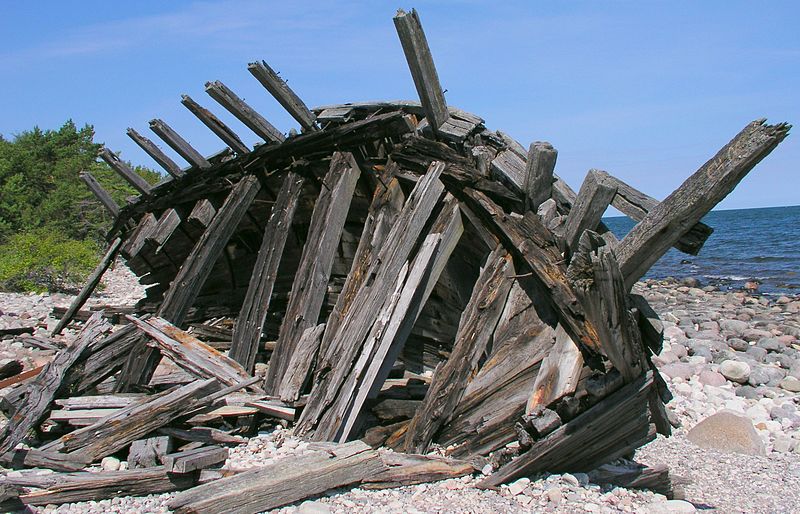 Beached shipwrecks don't generally survive for long when pitted against the elements. Courtesy of Wikimedia Commons.
In 2009, winter storms uncovered the remains of a ship built in the 1600s. Rather than leave the find to be destroyed by the elements, UNC removed the wreck from the beach. The drying out process left behind a mass of twisted lumber that can only vaguely be recognized as a ship and left UNC with a desire for a better method of recording the past.
Enter 3D scanning and printing. Making accurate drawings of a beached wreck can take a dozen individuals hundreds of hours to complete, while a 3D scan can be completed in hours. The resulting digital image can then be saved as a 3D image, or printed out with a 3D printer to create a replica of the wreck that can be further studied or placed into storage as a record of the wreck.
Along with the potential to save records of beached wrecks, it’s possible to use 3D imaging to record wrecks that remain in Davy Jones’ locker. UNC researchers can use underwater cameras to document a ship, and then leverage 3D imaging technology to create a digital design from the pictures. This process has helped UNC to create a digital record of the ships sunk during WWII and the Battle of the Atlantic.
Below you’ll find a video that follows a UNC expedition to shipwreck sites from the Battle of the Atlantic.


John Newman is a Digital Engineering contributor who focuses on 3D printing. Contact him via [email protected] and read his posts on Rapid Ready Technology.
Follow DE
Join over 90,000 engineering professionals who get fresh engineering news as soon as it is published.






About Us · Contact Us · Editorial Team · Advertising · Privacy Policy · Subscriber Services · © 2026 Digital Engineering 24/7 · Peerless Media