Helping design and engineering professionals discover, evaluate and specify technologies and processes that shorten the design cycle and enable success.



Digital Engineering April 2026
In the latest issue of Digital Engineering, we take a look at the latest innovations in design for additive manufacturing, including the use of natural language inputs, social media cosplayers, and AI integration. The issue also includes a feature…

January Special Focus Issue: Design for Additive
In this Special Focus Issue of Digital Engineering, learn about the latest advancements in design for additive manufacturing, including new software tools, additive in automotive, custom medical devices, and more.
The majority of Taiwan’s efforts at playing catch-up have revolved around supplying inexpensive desktop AM systems, but that may soon change. The National Chung-Shan Institute of Science and Technology (CSIST), Taiwan’s lead institute for defense R&D, has developed a prototype metal AM system with the assistance of a coalition of governmental and academic allies.
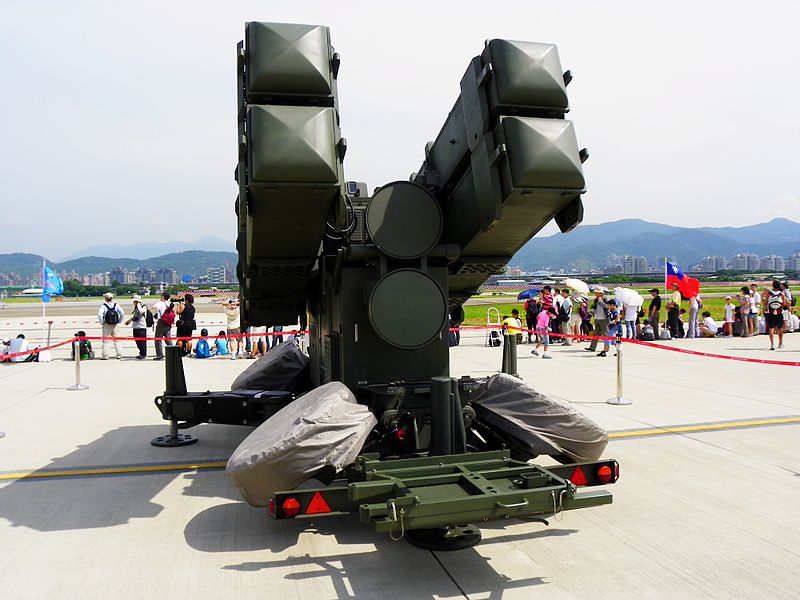
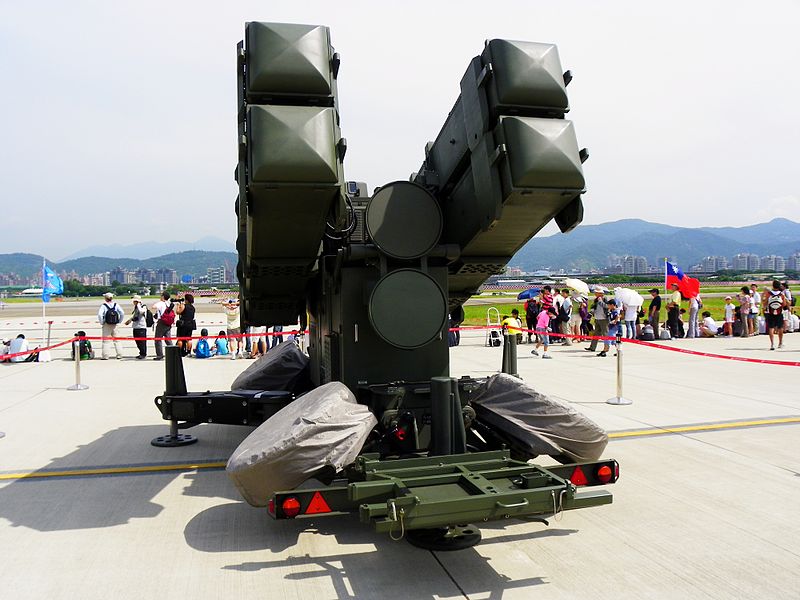 Taiwan's metal AM system first job will be in developing and maintaining Taiwan's military defense forces. Courtesy of Wikimedia Commons.
Taiwan is interested in using metal AM alongside more traditional defense research to develop new applications for military use. This includes using the new system to upgrade or help maintain the country’s aerospace defenses. Missile and Rocket Systems Research Division deputy general director Jen Kuo-kang is also excited about using AM to expand the capabilities of weapon’s research.
The prototype system offers a 250 x 250 x 250 mm (9.84 x 9.84 x 9.84 in.) build envelope and employs a 500 W laser. The current stumbling block for expanding operations is material production. CSIST is working with National Cheng Kung University to develop powdered metal materials to fuel the new AM system, and expects progress within six months.
It seems unlikely that this new metal AM system will remain a resource that is available to the military alone. Taiwan’s private sector could certainly benefit from the ability to offer metal AM systems for sale around the world.
Below you’ll find a video about metal AM.
Source: Taipei Times


John Newman is a Digital Engineering contributor who focuses on 3D printing. Contact him via [email protected] and read his posts on Rapid Ready Technology.
Follow DE
Join over 90,000 engineering professionals who get fresh engineering news as soon as it is published.






About Us · Contact Us · Editorial Team · Advertising · Privacy Policy · Subscriber Services · © 2026 Digital Engineering 24/7 · Peerless Media