Helping design and engineering professionals discover, evaluate and specify technologies and processes that shorten the design cycle and enable success.



Digital Engineering April 2026
In the latest issue of Digital Engineering, we take a look at the latest innovations in design for additive manufacturing, including the use of natural language inputs, social media cosplayers, and AI integration. The issue also includes a feature…

January Special Focus Issue: Design for Additive
In this Special Focus Issue of Digital Engineering, learn about the latest advancements in design for additive manufacturing, including new software tools, additive in automotive, custom medical devices, and more.
The US Navy has been actively pursuing AM as a solution to logistical problems for some time. The first solution to be unveiled is the Navy’s intention to produce 3D printed drones on ship. The ability to print drones while at sea can offer commanders a tactical advantage by allowing them to tailor a drone’s capabilities for the current mission.
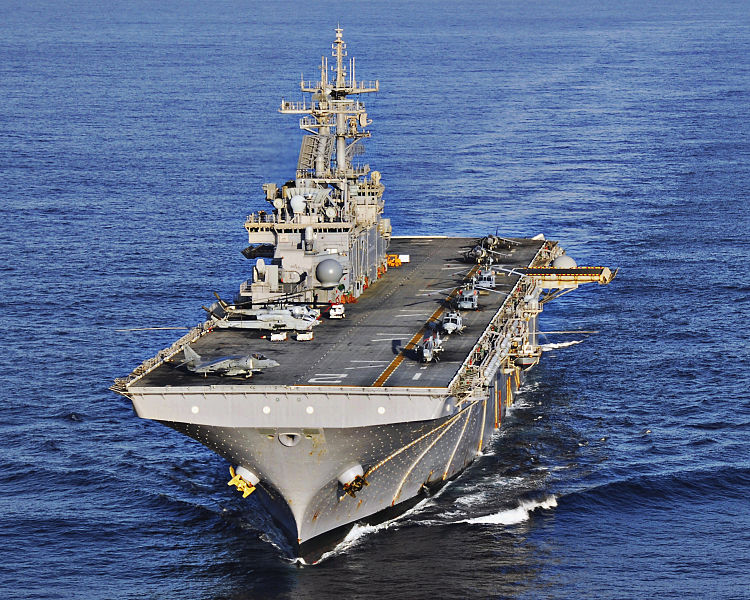
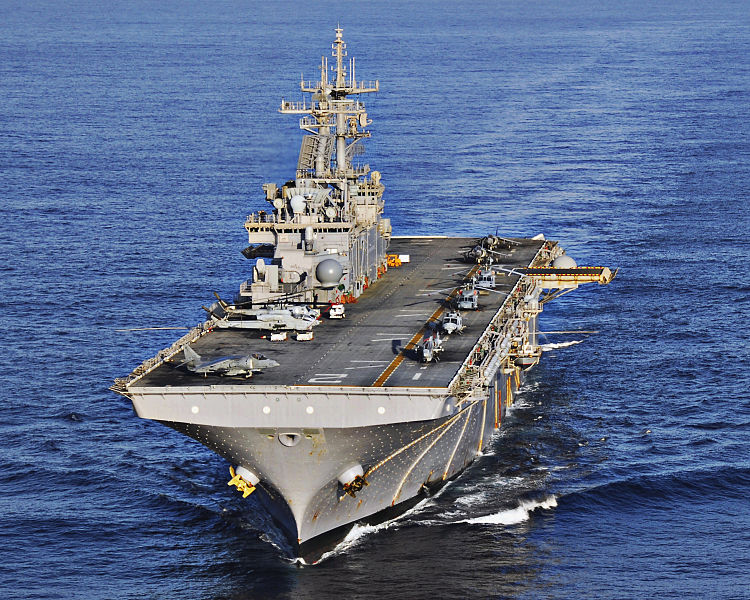 The USS Essex was the site of the first test of a drone printed and assembled on board. Courtesy US Navy.
The first test was on board the USS Essex. Digital plans were transmitted by satellite link, and fed into the 3D printer by sailors. The crew then took the printed parts and assembled them, including electronic parts (motors, radio, controller and a GPS unit) already on board.
The result was a drone equipped with a camera that offers Navy vessels improved intelligence capabilities when dealing with piracy, drug smuggling or rescues at sea. The drone can provide an overhead look at a ship, or zip around to the side that isn’t visible to monitor activities.
While promising, the program still has a number of problems to overcome. Tests need to be conducted to see how difficult it is to launch a small drone from a moving ship in a variety of weather and travel conditions. Additionally, researchers will need to investigate whether the variety of signals produced by a warship will interfere with the control and functionality of a drone.
Assuming the latter problems can be ironed out, it’s pretty easy to envision a time when every ship carries a 3D printer and the extra parts required to build drones. As technology improves, many of the electronic parts may also be printed, further reducing the amount of space taken up onboard.
Below you’ll find a video about the research.
Source: ITworld


John Newman is a Digital Engineering contributor who focuses on 3D printing. Contact him via [email protected] and read his posts on Rapid Ready Technology.
Follow DE
Join over 90,000 engineering professionals who get fresh engineering news as soon as it is published.






About Us · Contact Us · Editorial Team · Advertising · Privacy Policy · Subscriber Services · © 2026 Digital Engineering 24/7 · Peerless Media