Helping design and engineering professionals discover, evaluate and specify technologies and processes that shorten the design cycle and enable success.



May 2026 Special Focus: Artificial Intelligence in Design and Simulation
In this Special Focus Issue, learn about the latest developments in the integration of artificial intelligence into engineering workflows.

April 2026 Special Focus Issue: Generative Design
In this Special Focus Issue, Digital Engineering takes a look at how generative design solutions can be used across different types of design problems and with a variety of manufacturing approaches to accelerate design space exploration, and…
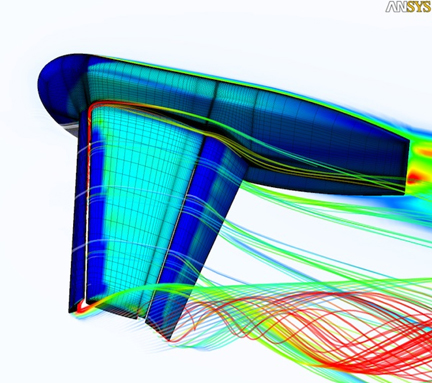
In simulation-driven engineering projects, the critical decisions you make to your design -- to increase or decrease your engine housing’s height, to enlarge or reduce a tube’s diameter, or to change the angle of a piston rod -- is determined by findings from simulation jobs. But these jobs, submitted by a number of engineers, are sitting in a queue, waiting to be processed on the company’s dedicated HPC (high performance computing) cluster.
Processing these jobs on individual workstations may consume all the computing cores available in the desktop machines, hampering the engineers' daily operations such as CAD modeling, document processing, and data management. The dilemma puts many engineers and designers at t the mercy of the HPC system, often the place where bottlenecks occur.
Drawing inspiration from SETI@home's innovative distributed computing model, Parker Aerospace, one of the top-tier manufacturers supplying airplane systems and components, came up with a way to turn a pool of workstations into a virtual HPC cluster that runs in the background. What distinguishes this virtual cluster from other types (often referred to as cycle stealing) is that the computing cores engineers need to do their daily jobs are insulated from the virtual cluster’s setup. Consequently, desktop users hardly see a different in their system performance even though their machines are processing simulation jobs as part of a virtual cluster.
To find out more, join us for the webinar titled "How HP and Intel Helped Parker Aerospace Create a Workstation-Based Virtual Cluster."


Kenneth Wong is Digital Engineering's resident blogger and senior editor. Email him at [email protected] or share your thoughts or suggestions at digitaleng.news/facebook.
Follow DE
Join over 90,000 engineering professionals who get fresh engineering news as soon as it is published.






About Us · Contact Us · Editorial Team · Advertising · Privacy Policy · Subscriber Services · © 2026 Digital Engineering 24/7 · Peerless Media