Helping design and engineering professionals discover, evaluate and specify technologies and processes that shorten the design cycle and enable success.


Sponsored

Whether the project is to design a nextgeneration jet engine, a cutting-edge medical device or an industrial pump, there’s no disputing the dawn of a new age of innovation. Even the simplest products now incorporate sensors and software, and now devices that were previously standalone are being connected and integrated into a broader
Internet of Things (IoT) ecosystem. To keep up with and capitalize on all of these changes, engineering teams are transforming traditional workflows to favor new digitaldriven design processes.
The effects of digital transformation are reverberating across industries as companies seek to disrupt existing business models and reinvent core business processes to improve performance, gain entrance into untapped markets, and keep up with the accelerated pace of change. According to research from International Data Corp. (IDC), worldwide spending on digital transformation technologies will surge to more than $2.1 trillion in 2019 with a compound annual growth rate (CAGR) of 16.8% over the 2014 to 2019 timeframe. While the effects of digitalization are rippling across industries, IDC research cited discrete manufacturing, process manufacturing and transportation as the segments most actively engaged in sweeping transformation.

BOXX is the leading innovator of high-performance computer workstations, rendering systems, and servers purpose-built for engineering, product design, architecture, visual effects, animation, data science, and more. Combining record-setting…
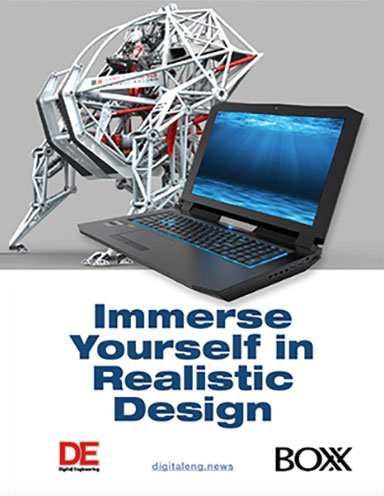
Immerse Yourself in Realistic Design
In this issue: Immerse Yourself in Realistic Design; Designing Prosthesis: The Anti-Robot, and a BOXX APEXX S3 Review: Overclocked and Under Budget.




About Us · Contact Us · Editorial Team · Advertising · Privacy Policy · Subscriber Services · © 2026 Digital Engineering 24/7 · Peerless Media