Helping design and engineering professionals discover, evaluate and specify technologies and processes that shorten the design cycle and enable success.


Alert!
Digital Engineering ceased publication on July 1, 2026. This website remains available as an archive of engineering content.
For inquiries or information, please email [email protected].
By ESTECO
Sailing and road races are often won by tiny margins, eked out by an engineering team that has a better understanding of the machine and course. Buyers are incredibly demanding, choosing products whose features delight them because they deliver more than expected, are more efficient, stronger or durable.
Designing a product means understanding the tradeoffs needed to satisfy competing drivers. Lighter and stronger? Cheaper to make and cheaper to operate? Imagine if you could examine dozens, hundreds, thousands of design alternatives before committing to a single component. If you could understand the tradeoffs you’re making between weight, shape and capacity?
How each decision affects the system’s reliability, cost or other attributes? As more manufacturers embrace agile design methodologies, development teams need to move quickly, to respond to changes in incremental, iterative work processes that can’t wait for physical test results.
Design optimization technology makes this possible. It’s changing the face of engineering in industries as diverse as automotive, household appliances, yacht racing and rail transport. This white paper presents three cases that highlight how leading companies use design space exploration to better understand their designs and create standout experiences for their customers.
As you read through the cases, you’ll notice several common themes:

With almost 20 years’ experience, the company supports leading organizations in designing the products of the future, today. Our smart engineering suite brings enterprise-wide solutions for design optimization, simulation data management and…
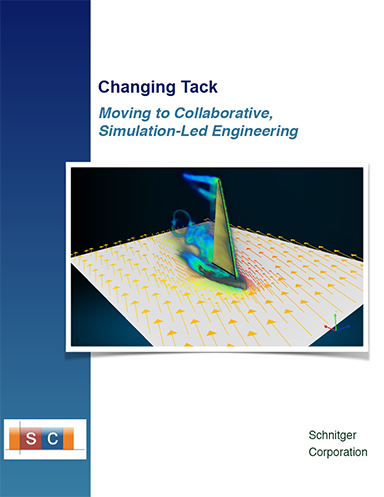
Moving to Collaborative, Simulation-Led Engineering
Simulation is an important part of any enterprise’s quest to create better products, more quickly. Optimizing early in a design cycle can jump-start innovation, enabling the team to explore more alternatives, more quickly — and to make trade-offs based on physical data rather than on gut feel.




About Us · Contact Us · Editorial Team · Advertising · Privacy Policy · Subscriber Services · © 2026 Digital Engineering 24/7 · Peerless Media