Helping design and engineering professionals discover, evaluate and specify technologies and processes that shorten the design cycle and enable success.



Digital Engineering April 2026
In the latest issue of Digital Engineering, we take a look at the latest innovations in design for additive manufacturing, including the use of natural language inputs, social media cosplayers, and AI integration. The issue also includes a feature…

January Special Focus Issue: Design for Additive
In this Special Focus Issue of Digital Engineering, learn about the latest advancements in design for additive manufacturing, including new software tools, additive in automotive, custom medical devices, and more.
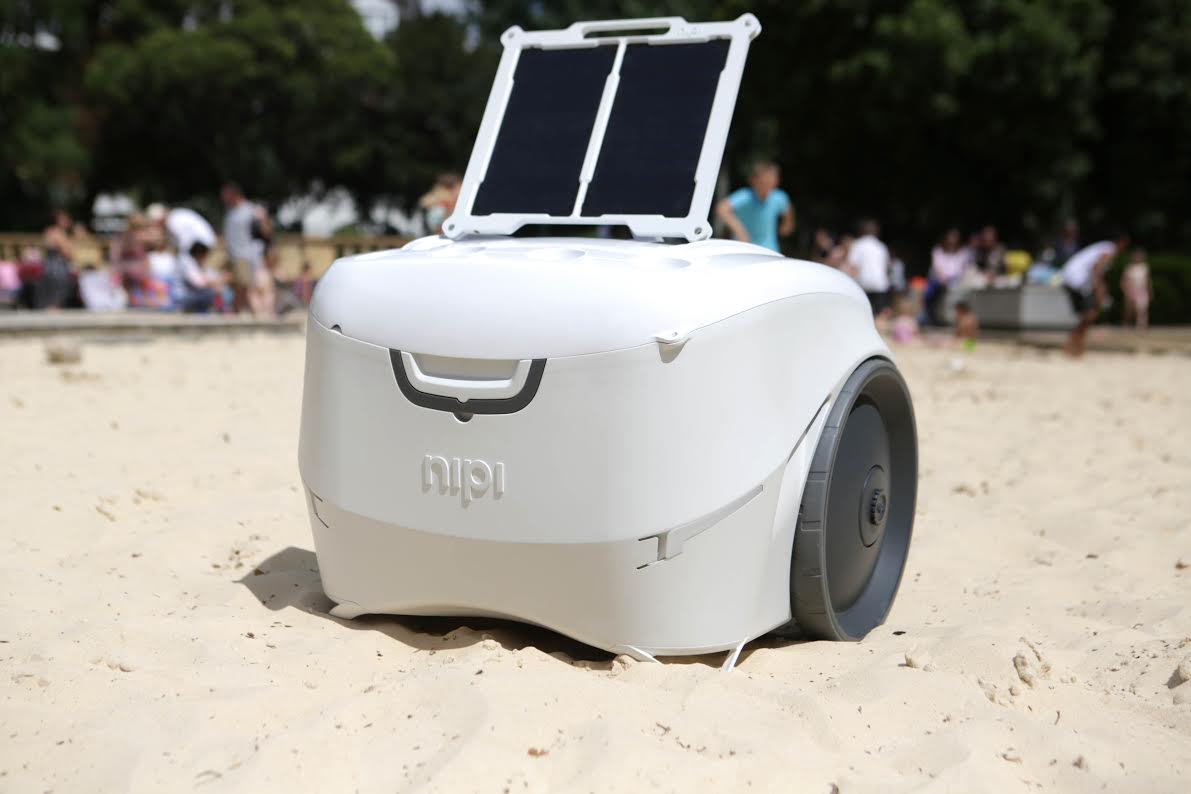
It was AM’s ability to speed up design iterations that attracted the attention of Nipi. The people at Nipi make an interesting product called the Nipi Smart Cooler. The cooler uses solar power to keep your beer cold while simultaneously offering a number of outlets to help keep your mobile devices charged.
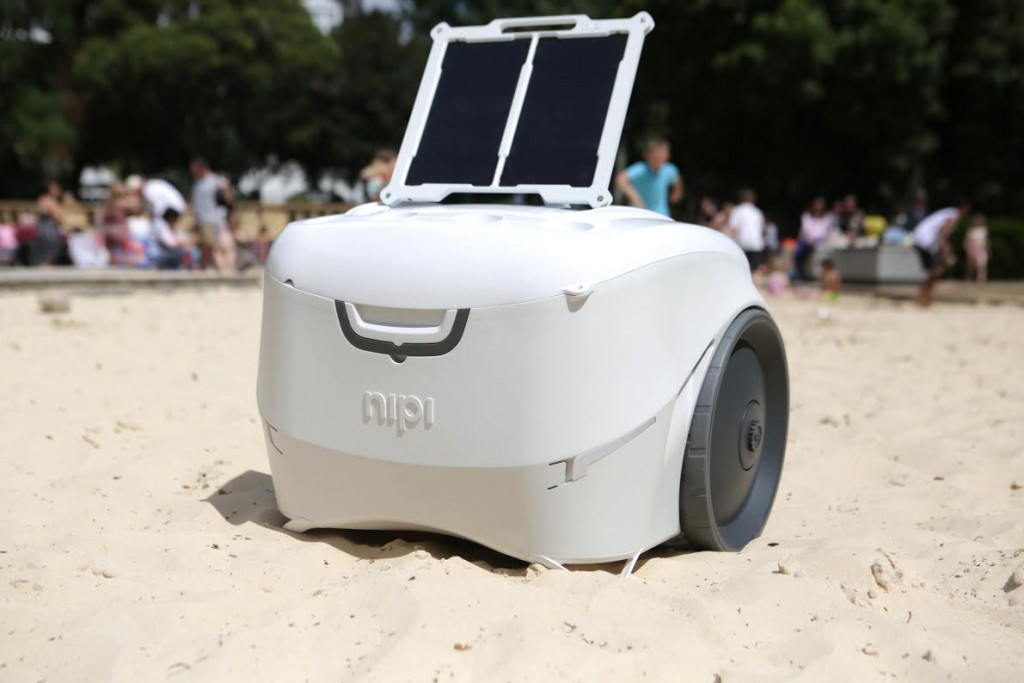 The Nipi Smart Cooler was developed using rapid prototyping to reduce time to market. Image courtesy of Stratasys.
For Nipi, 3D printing was vital to product development.
“It’s amazing how quickly we could go from an idea on a piece of paper to a fully-functional prototype that we could test outdoors,” said Luke Guttery, product design lead. “Without 3D printing, this simply would not have been achievable in the given timeframe. In just a few days we had already produced the main body in UV resistant materials to test the solar panels in the sun, and large-scale over-molded wheels with rigid interiors and rubber treads. Using this technology, we were able to develop a final working prototype in a just under a week, whereas with traditional manufacturing it would be closer to a month.”
The Smart Cooler was originally launched as a Kickstarter campaign, but was cancelled before completion, regardless of the fact it had already raised enough money to meet its goal. According to a post, contributors had so many good ideas for new features to the Smart Cooler that Nipi’s design staff felt it needed to start over from scratch to incorporate as many ideas as possible.
The ability to add and subtract features, along with the power to see and touch a physical model between iterations, made rapid prototyping the go-to technology for Nipi. The company contacted Stratasys for assistance in developing the functional prototype.
“Utilizing the best of each of Stratasys’ 3D printing technologies was integral to getting a fully-functional, test-worthy prototype to the Nipi team,” says Gary Miller, managing director of 3D Print Bureau. “Using multi-material 3D printing, we could accurately validate the pull of the handle and its weight-bearing ability, as well as defining the exact tread of the tires required before moving to final production. In fact, the ability to over-mold using 3D printing was integral as it helped us determine the shape, thickness and style of the tread you see on Nipi today.”
Below you’ll find the original Kickstarter video for the Smart Cooler.
Source: Stratasys


John Newman is a Digital Engineering contributor who focuses on 3D printing. Contact him via [email protected] and read his posts on Rapid Ready Technology.
Follow DE
Join over 90,000 engineering professionals who get fresh engineering news as soon as it is published.






About Us · Contact Us · Editorial Team · Advertising · Privacy Policy · Subscriber Services · © 2026 Digital Engineering 24/7 · Peerless Media