Helping design and engineering professionals discover, evaluate and specify technologies and processes that shorten the design cycle and enable success.



May 2026 Special Focus: Artificial Intelligence in Design and Simulation
In this Special Focus Issue, learn about the latest developments in the integration of artificial intelligence into engineering workflows.

April 2026 Special Focus Issue: Generative Design
In this Special Focus Issue, Digital Engineering takes a look at how generative design solutions can be used across different types of design problems and with a variety of manufacturing approaches to accelerate design space exploration, and…
Autodesk is preparing to make the jump from software provider to hardware manufacturer with the upcoming release of its own AM system as part of its new 3D printing platform named Spark. The new open software aims to make the AM process easier than ever, including integrating new materials into the process.
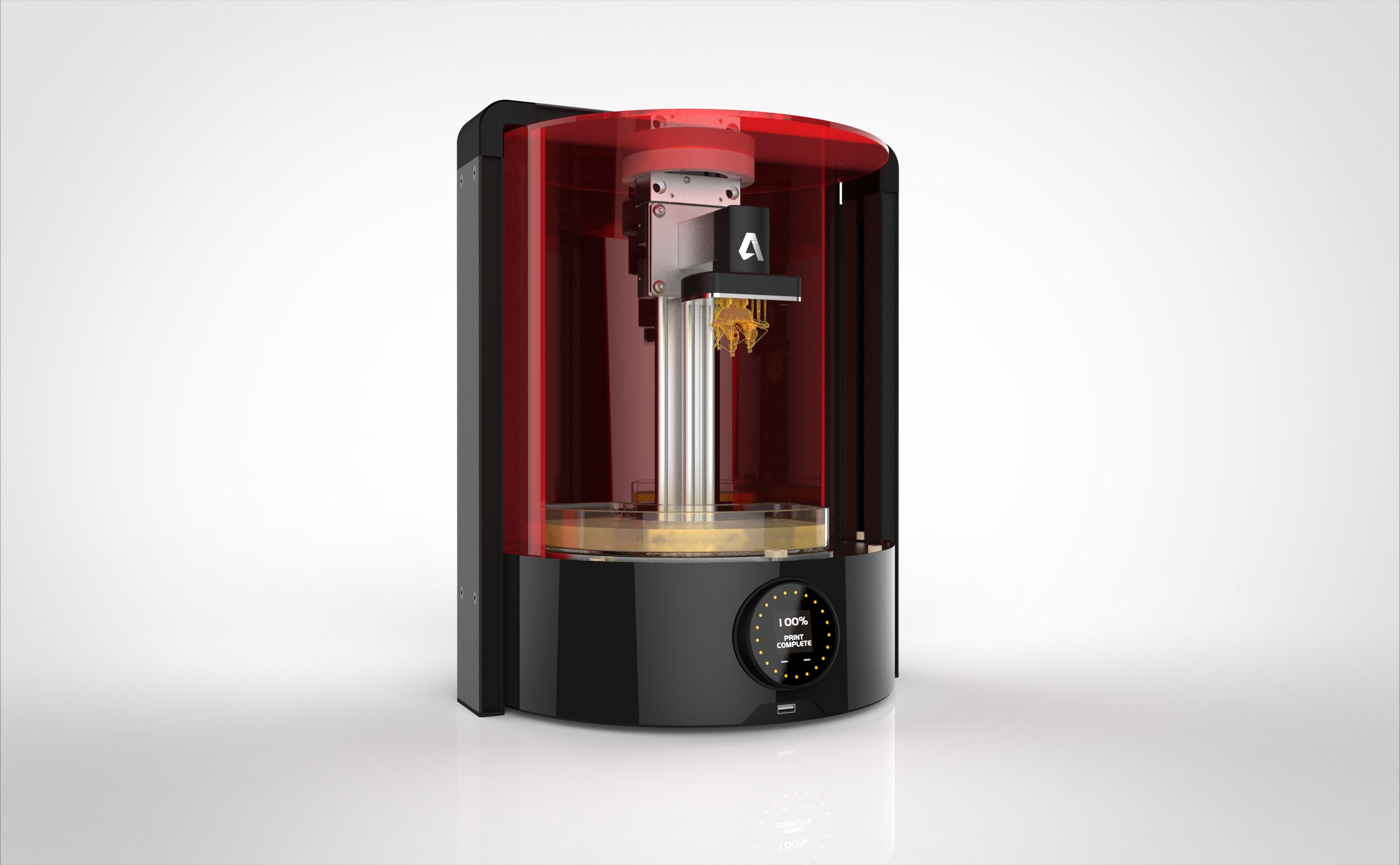 This could be the shape of Autodesk's first 3D printer. Courtesy of Autodesk.
From Autodesk’s blog:
Today, Autodesk is announcing two contributions to help make things better. First is an open software platform for 3D printing called Spark, which will make it more reliable yet simpler to print 3D models, and easier to control how that model is actually printed. Second, we will be introducing our own 3D printer that will serve as a reference implementation for Spark. It will demonstrate the power of the Spark platform and set a new benchmark for the 3D printing user experience.
According to the company, Spark will be open and freely licensable to interested parties. The same is true for the design specs of Autodesk’s forthcoming AM system, which will be opened to external development and experimentation. This will allow people to share information about the AM process that could increase design efficiency, help explore new materials usage and generally improve the entire 3D printing process.
Assuming the prototype picture is actually representative of the final product, Autodesk’s 3D printer will be a desktop model with a limited build envelope. That fits with the company’s stated reasons for developing its own AM system as you don’t often need a monster 3D printer for research and development. Autodesk has also hinted the system will cost somewhere around $5,000, meaning the company isn’t really interested in attempting to compete for price with hobby 3D printer manufacturers.
Autodesk has shown plenty of interest in AM outside of AutoCAD with products like 123D Catch and 123D Sculpt, which make it easier for users without a great deal of technical know-how to use digital design. Below you’ll find a video about design from Autodesk.
Source: Autodesk


John Newman is a Digital Engineering contributor who focuses on 3D printing. Contact him via [email protected] and read his posts on Rapid Ready Technology.
Follow DE
Join over 90,000 engineering professionals who get fresh engineering news as soon as it is published.






About Us · Contact Us · Editorial Team · Advertising · Privacy Policy · Subscriber Services · © 2026 Digital Engineering 24/7 · Peerless Media