Helping design and engineering professionals discover, evaluate and specify technologies and processes that shorten the design cycle and enable success.



May 2026 Special Focus: Artificial Intelligence in Design and Simulation
In this Special Focus Issue, learn about the latest developments in the integration of artificial intelligence into engineering workflows.

April 2026 Special Focus Issue: Generative Design
In this Special Focus Issue, Digital Engineering takes a look at how generative design solutions can be used across different types of design problems and with a variety of manufacturing approaches to accelerate design space exploration, and…
For less developed countries, the drive for innovation is more compelling. Places with shoddy or missing infrastructure are already looking to alternative energy for their needs, and a number of organizations are assisting with these ventures. A partnership between Orange Silicon Valley and Omni3D has resulted in the development of miniaturized wind turbines that can be quickly and inexpensively produced via 3D printing.
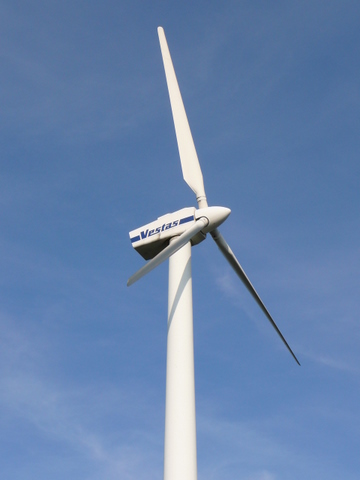
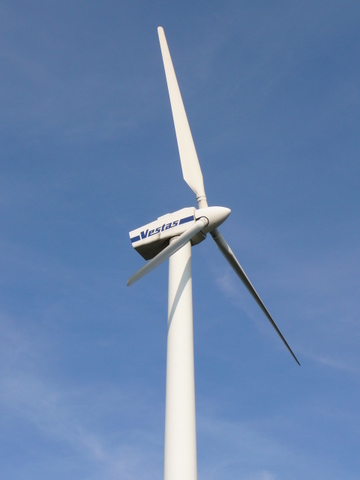 Wind is an abundant form of natural energy, waiting to be tapped. Courtesy of JMT.
Nearly any location with reasonable amounts of wind can benefit from employing wind turbines to provide for at least some of its energy needs. According to the United Nations, 1 in 5 people worldwide can be considered energy poor. Most individuals meeting that description live in areas that aren’t financially capable of producing or erecting full-scale wind turbines, but the miniaturized version developed by the partnership is a different story.
When the time came to test its work, Orange Silicon Valley sent CAD files to Omni3D for printing. The turbine blades were designed to be constructed in multiple parts, with each piece measuring around half a meter in length. To further reduce costs, and assist with ease of construction and transportation, each segment was printed in ABS plastic in a honeycomb pattern, resulting in a blade that is 93% hollow.
"Industrial 3D printing creates an opportunity for milling workshops to fabricate parts cheaper, faster and easier. Fabricating large ABS parts is a task that can be accomplished by only few printers in the world and we're happy to be a part of this project," said Konrad Sierzputowski, board member of Omni3D.
In addition to providing for the energy needs of poor, rural areas, the miniaturized turbines could also be put to use in urban environments. Since a layer of paint has almost zero impact on a turbine’s function, it would also be possible to decorate the turbines to either hide them among a city's skyline, or use them as standing works of art.
Below you’ll find a video about wind turbines.
Source: MarketWatch


John Newman is a Digital Engineering contributor who focuses on 3D printing. Contact him via [email protected] and read his posts on Rapid Ready Technology.
Follow DE
Join over 90,000 engineering professionals who get fresh engineering news as soon as it is published.






About Us · Contact Us · Editorial Team · Advertising · Privacy Policy · Subscriber Services · © 2026 Digital Engineering 24/7 · Peerless Media