Helping design and engineering professionals discover, evaluate and specify technologies and processes that shorten the design cycle and enable success.


May 2026 Special Focus: Artificial Intelligence in Design and Simulation
In this Special Focus Issue, learn about the latest developments in the integration of artificial intelligence into engineering workflows.

April 2026 Special Focus Issue: Generative Design
In this Special Focus Issue, Digital Engineering takes a look at how generative design solutions can be used across different types of design problems and with a variety of manufacturing approaches to accelerate design space exploration, and…
Nissan, which is using its multi-purpose NV200 platform as the base for the taxi redesign, is planning to release a 1.6-liter petrol engine fleet with an automatic gearbox this December, following up with a zero emissions electric version in 2015. London's current Mayor Boris Johnson has called for all city cabs to be emission-free by 2020.
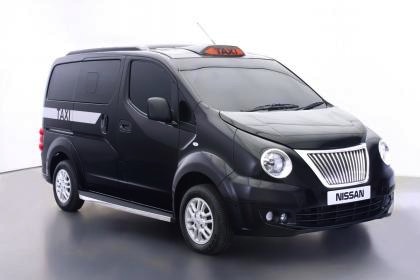
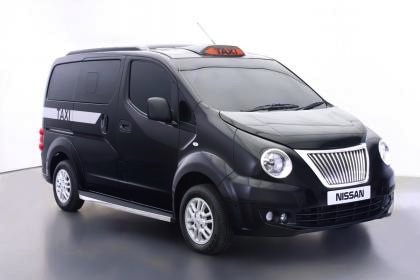 Nissan's new Taxi for London is a bold new vision of the traditional black cab. Image Courtesy of SAC Engineering
One of the key challenges of the project was making low-volume modifications to a high-volume vehicle—the NV200 van, in this case—to ensure it complies with the strict regulations governing Hackney Carriages, which includes a required 25-foot (7.6 meter) turning radius, among other criteria.
In addition to the suspension modifications required to accommodate the new turning circle, the London Taxi specification called for a side door modified for a ramp and wheel chair access along with a front-end modification that transformed the van into a modern design that was in keeping with the London cab's traditional look. The makeover includes round headlamps and a re-modeled grille that mirrors the traditional "face" of the original London black cabs in addition to LED light framing the taxi sign to increase visibility as well as completely redone front bumper panels.
"It's a large transformation, but not a lot of panels are transformed," noted Steve Charlton, managing director at SAC Engineering Design, a high-end engineering consultancy that worked on the Nissan London Taxi design with ADV Manufacturing, one of the key design partners on the project. Specifically, the NV200's door, roof, front-end suspension, inner structure for rear seats, roof, and front end surfaces were targeted as part of the redesign project, Charlton said.
Due to the nature of work related to the panel design, SAC relied heavily on Dassault Systemes' CATIA and specifically, its sheet metal functionality. The additional sheet metal licenses enabled SAC to apply company standards to ensure design quality and to address manufacturability constraints early on in the design phase, which accelerated assembly design.
The fact that CATIA is so widely used throughout the industry and because SAC has been a user since 1993 positioned the CAD program as a natural fit for this project. "If we need external help with the suspension, for example, we can enlist partners and share models," without a problem, Charlton explained. "It's pretty much the industry standard for this sort of thing."
London's NV200 cab isn't Nissan's first foray into taxi cab design. The company has an extensive global taxi program and has done cab designs for New York, Barcelona, and Tokyo.
Take a look at this video to hear some of the thinking that went into the Nissan London Taxi redesign.


Beth Stackpole is a contributing editor to Digital Engineering. Send e-mail about this article to [email protected].
Follow DE
Join over 90,000 engineering professionals who get fresh engineering news as soon as it is published.






About Us · Contact Us · Editorial Team · Advertising · Privacy Policy · Subscriber Services · © 2026 Digital Engineering 24/7 · Peerless Media