Helping design and engineering professionals discover, evaluate and specify technologies and processes that shorten the design cycle and enable success.



May 2026 Special Focus: Artificial Intelligence in Design and Simulation
In this Special Focus Issue, learn about the latest developments in the integration of artificial intelligence into engineering workflows.

April 2026 Special Focus Issue: Generative Design
In this Special Focus Issue, Digital Engineering takes a look at how generative design solutions can be used across different types of design problems and with a variety of manufacturing approaches to accelerate design space exploration, and…
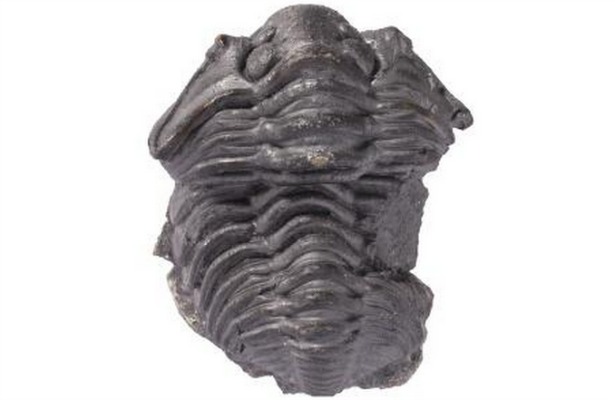
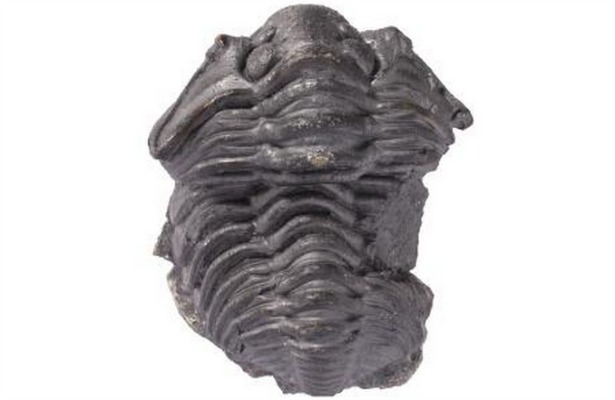
The British Geological Survey (BGS) has begun the lengthy process of scanning and uploading its entire 3 million plus collection of fossils into a database open to the public. Users can browse the database, investigate interactive 3D models, view the models in 3D (with the proper eye wear), and even 3D print out models at home.
The project is sponsored in part by Jisc, a charity that encourages technological innovation in the UK. Other institutions lending support include the National Museum of Wales, the Sedgwick Museum Cambridge, Oxford University Museum of Natural History, and the Geological Curators’ Group.
“A unified database of type-specimens is useful but, for it to be really useful, people need images of the physical items,” said Peter Findlay, program manager, Jisc. “3D-printed models offer the opportunity to engage with a physical facsimile which can really transform someone’s understanding and at the same time reduce access costs and the need to handle originals. As part of Jisc’s vision to provide simple and fast access to digital content, we’re delighted to fund this project, bringing these artefacts to life and into the hands of those fascinated by fossils.”
Along with acting as a general database for fossils, the BGS believes that allowing people to view the specimens in 3D, rather in flat 2D, might generate more excitement. Many of the fossils on display in the collection aren't readily obtainable by your average user, but the new program allows anyone with internet access the freedom to explore the fossil history.
Hopefully, other institutions will take note of the experiment and reproduce it with their own collections. I'd enjoy a virtual, 3D tour through museums of all sorts, and students of all ages would profit from having 3D representations of their studies floating in front of them.
The GB3D digital collection can be found here. Below you'll find a video example of some of what is on display in the collection.
Source: British Geological Survey


John Newman is a Digital Engineering contributor who focuses on 3D printing. Contact him via [email protected] and read his posts on Rapid Ready Technology.
Follow DE
Join over 90,000 engineering professionals who get fresh engineering news as soon as it is published.






About Us · Contact Us · Editorial Team · Advertising · Privacy Policy · Subscriber Services · © 2026 Digital Engineering 24/7 · Peerless Media