Helping design and engineering professionals discover, evaluate and specify technologies and processes that shorten the design cycle and enable success.



May 2026 Special Focus: Artificial Intelligence in Design and Simulation
In this Special Focus Issue, learn about the latest developments in the integration of artificial intelligence into engineering workflows.

April 2026 Special Focus Issue: Generative Design
In this Special Focus Issue, Digital Engineering takes a look at how generative design solutions can be used across different types of design problems and with a variety of manufacturing approaches to accelerate design space exploration, and…

To be frank, this is a tough one for me to comprehend. When I go shopping, I like to experience the product with all five senses (or as many of the senses as permissible). When I go to American Eagle Outfitters for a new pair of jeans or a summer shirt, I like to feel the fabric. When I'm browsing a bookstore, I like to pick up the book and flip through the pages. When I'm restocking ground coffee, I tend to buy or reject brands based on how it smells. Would someone -- say, a clothing retailer -- be able to design a good shopping experience for me by constructing virtual store shelves inside a computer in pixels that cannot be felt, smelled, or touched?
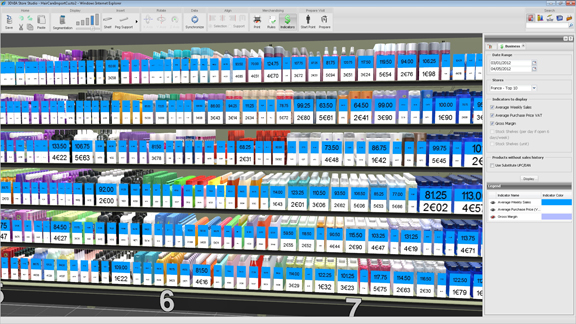
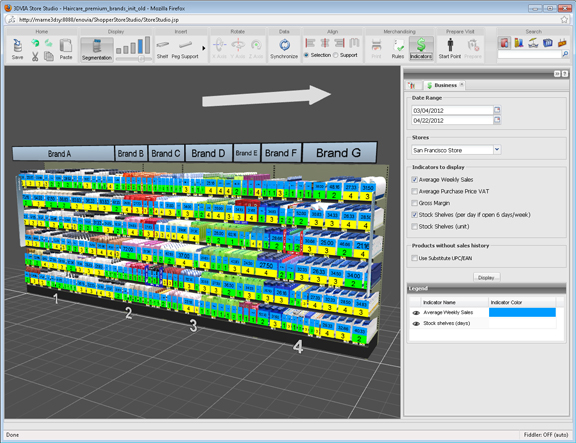
Dassault Systemes seems to believe it's possible. This week, the company launched Perfect Shelf, an addition to its consumer packaged goods (CPG) solutions. Perfect Shelf, according to Dassault, "[provides] realistic views of retail aisles including shelves, fixtures, products, lighting and promotional materials -- allowing the shopping experience design process to take place significantly faster, with greater extent and flexibility and at lower cost."
Rosemary Grabowski, Dassault's global marketing director, CPG-Retail, explained that Perfect Shelf is "a new solution for CPG and retail companies ... It is not targeted at any specific skill level, but is created with ease-of-use for non-experts in mind." This is a departure from the markets served by Dassault's high-end modeler CATIA and its mainstream mechanical modeler SolidWorks. It's much closer to the consumer-friendly territories served by Dassault's 3DVIA product line.
Perfect Shelf can be an economically viable method to test out space planning in retail venues. I can see how a mall designer might use the product to try out various strategic merchandise placements, examine visibility of promotional signs, and understand (to an extend) consumers' eye levels and reaches. In doing so, the designer can avoid the prohibitive cost of deploying actual shelves and sample products to create a mockup of the store. To take advantage of Perfect Shelf, the user will need to invest in creating 3D digital content that accurately reflects the real products that must go on the shelves.
In the announcement, Dassault stated, "Product shelving quality is a critical factor tied to every consumer’s shopping experience. Both CPG Brand Manufacturers and Retailers want to ensure that every consumer, in every store can find what they want, when they want it – and do so quickly and easily. Delightful consumer experiences keep them coming back again and again to their favorite stores."
In its product page, Dassault highlights the following features in Perfect Shelf:
For more, visit Dassault's CPG product page here.


Kenneth Wong is Digital Engineering's resident blogger and senior editor. Email him at [email protected] or share your thoughts or suggestions at digitaleng.news/facebook.
Follow DE
Join over 90,000 engineering professionals who get fresh engineering news as soon as it is published.






About Us · Contact Us · Editorial Team · Advertising · Privacy Policy · Subscriber Services · © 2026 Digital Engineering 24/7 · Peerless Media