Helping design and engineering professionals discover, evaluate and specify technologies and processes that shorten the design cycle and enable success.



Digital Engineering April 2026
In the latest issue of Digital Engineering, we take a look at the latest innovations in design for additive manufacturing, including the use of natural language inputs, social media cosplayers, and AI integration. The issue also includes a feature…

January Special Focus Issue: Design for Additive
In this Special Focus Issue of Digital Engineering, learn about the latest advancements in design for additive manufacturing, including new software tools, additive in automotive, custom medical devices, and more.
New AM materials are being developed all the time, bringing with them new opportunities for manufacturing. Sometimes, though, AM can breathe new life into existing materials. A project out of Italy called Marble EcoDesign wants to use marble dust created as a byproduct of the marble industry as fuel for a 3D printer.
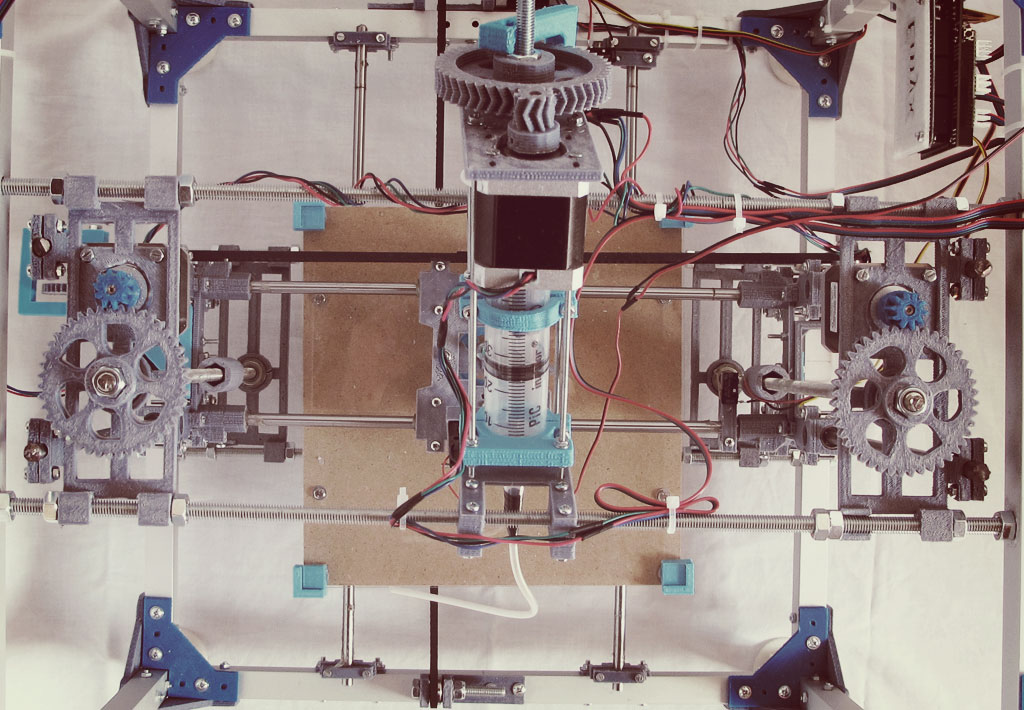
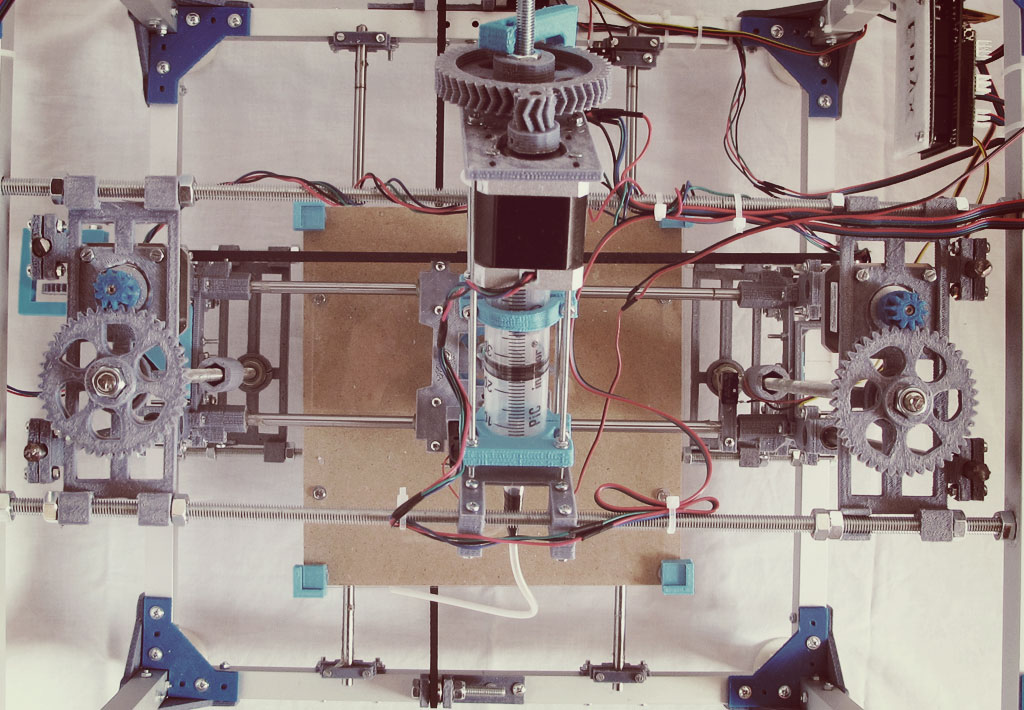
According to the website, the project was launched to find an eco-friendly use for the marble dust generated by quarries.
3D Marble-Eco Design was born in the marble quarries of Coreno Ausonio, in southern Lazio. Our mission is to reutilize the waste material resulting from the marble's production process. Sludge and waste are a consequence of the production system, this marble dust is complex and expensive to dispose of. But if mixed with special resins and catalysed [sic] with UV rays, these substances can be brought back to a new life and transformed in raw material ideal for 3D printing …
The dust comes from exceptionally high quality marble with an average density of 2.7015 g/cm3 (grams /cubic centimeter) and is made entirely of CaCO3 (calcium carbonate). The purity of the material makes it a solid candidate for AM, as there are few junk particulates mixed in with the primary material.
Using the marble dust for AM required the design of a new 3D printer. The resulting hybrid AM system is mainly based on the material extrusion model, the same process used by most RepRap 3D printers. While the printer is still in the testing phases, thus far it has been able to print in step resolutions as fine as 0.5μ along each of the axes (53μ for ten steps). The 0.15mm extruder head is capable of producing 0.16mm resin/marble droplets that are cured and instantly freeze into place.
Applications for the new 3D printer are mainly artistic in nature, though some minor architectural structures could possibly be completed with a large enough extruder head. The uses for artistic reproductions, however, are pretty obvious. Scan a sculpture and build a marble replica with AM. Michelangelo’s for everyone.
Below you’ll find a video that is less technically illuminating than it is visually appealing.
Source: Marble EcoDesign


John Newman is a Digital Engineering contributor who focuses on 3D printing. Contact him via [email protected] and read his posts on Rapid Ready Technology.
Follow DE
Join over 90,000 engineering professionals who get fresh engineering news as soon as it is published.






About Us · Contact Us · Editorial Team · Advertising · Privacy Policy · Subscriber Services · © 2026 Digital Engineering 24/7 · Peerless Media