Helping design and engineering professionals discover, evaluate and specify technologies and processes that shorten the design cycle and enable success.



Digital Engineering April 2026
In the latest issue of Digital Engineering, we take a look at the latest innovations in design for additive manufacturing, including the use of natural language inputs, social media cosplayers, and AI integration. The issue also includes a feature…

January Special Focus Issue: Design for Additive
In this Special Focus Issue of Digital Engineering, learn about the latest advancements in design for additive manufacturing, including new software tools, additive in automotive, custom medical devices, and more.
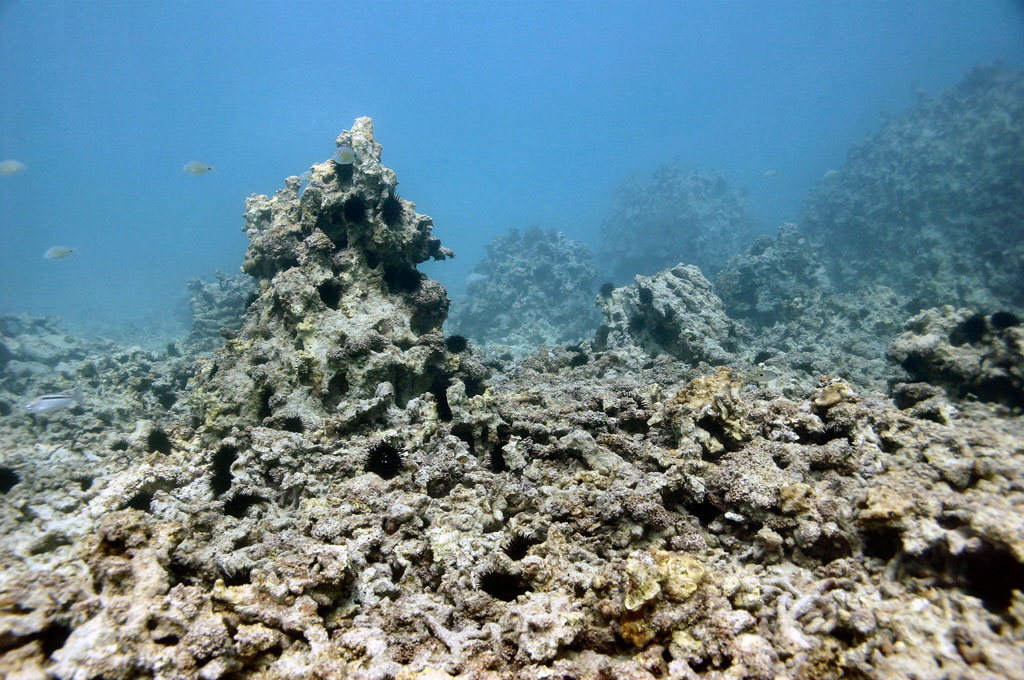
In addition to global warming, pollution, overfishing, and increased levels of coastal development have had a serious impact on coral reefs. According to the Australian Institute of Marine Sciences (AIMS) around 50% of the Great Barrier Reef has vanished over the last 30 years and the Persian Gulf has suffered similar losses. A project is underway outside Bahrain to replace missing coral reefs with 3D printed reefs.
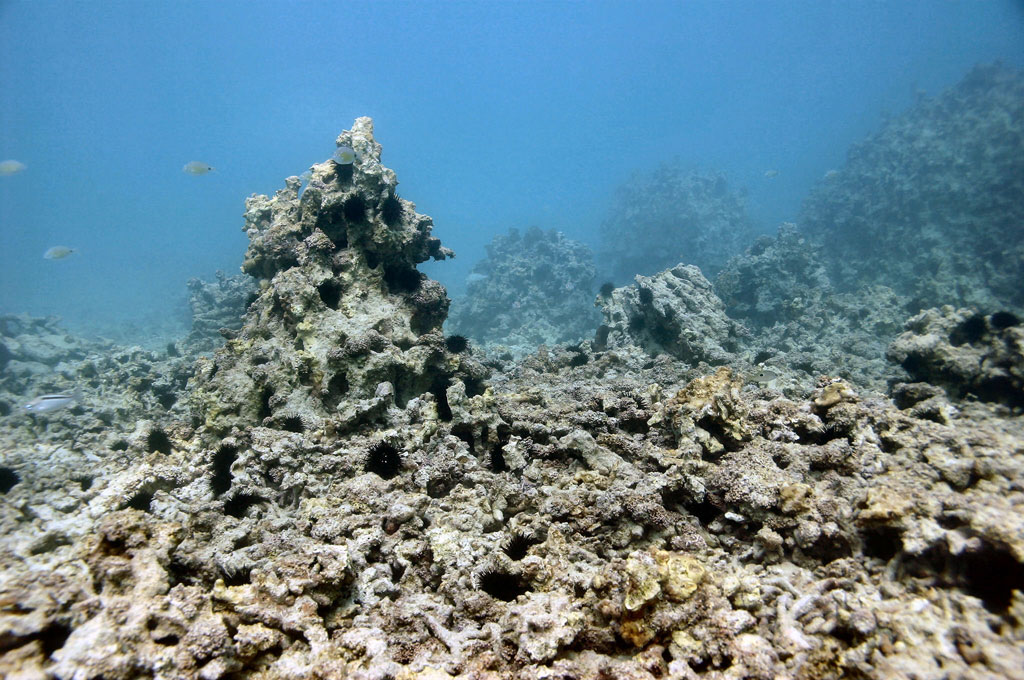
Reef Arabia began working on the problem of Bahrain’s missing reefs in 2012. The company began by using concrete structures to replace the reefs. Some of these structures were built to mimic local buildings, while others were formed by stacking rows of so-called Reef Balls in place. The concrete mix used is non-toxic and should last for up to 100 years. Still, something was missing.
While providing a reasonable substitute for actual coral reefs, the concrete structures weren’t quite right. Seeking an alternative to concrete, Reef Arabia turned to the D-Shape 3D printing process. After building faux reef topology with the assistance of a computer program, two 1,100 lb. non-toxic reefs were constructed from a patented sandstone material, and then submerged.
“Sandstone, unlike concrete, is closer to a natural earth rock and has a neutral pH surface which makes it more attractive to coral larvae looking for a home,” David Lennon of Reef Arabia told Forbes. “With 3D printing we can get closer to natural design because of its ability to produce very organic shapes and almost lay down material similar to how nature does it.”
If you are unfamiliar with D-shape, it has an interesting history. Originally developed by Enrico Dini to build houses, the large-scale additive manufacturing process has since been put to other uses. Along with the reef project outside Bahrain, it won a contract to reinforce pilings along the New York City waterfront, and the ESA is investigating its use in building facilities on the moon.
Below you’ll find a video about Reef Arabia’s work on artificial reefs.
Source: Forbes


John Newman is a Digital Engineering contributor who focuses on 3D printing. Contact him via [email protected] and read his posts on Rapid Ready Technology.
Follow DE
Join over 90,000 engineering professionals who get fresh engineering news as soon as it is published.






About Us · Contact Us · Editorial Team · Advertising · Privacy Policy · Subscriber Services · © 2026 Digital Engineering 24/7 · Peerless Media