Helping design and engineering professionals discover, evaluate and specify technologies and processes that shorten the design cycle and enable success.



Digital Engineering April 2026
In the latest issue of Digital Engineering, we take a look at the latest innovations in design for additive manufacturing, including the use of natural language inputs, social media cosplayers, and AI integration. The issue also includes a feature…

January Special Focus Issue: Design for Additive
In this Special Focus Issue of Digital Engineering, learn about the latest advancements in design for additive manufacturing, including new software tools, additive in automotive, custom medical devices, and more.
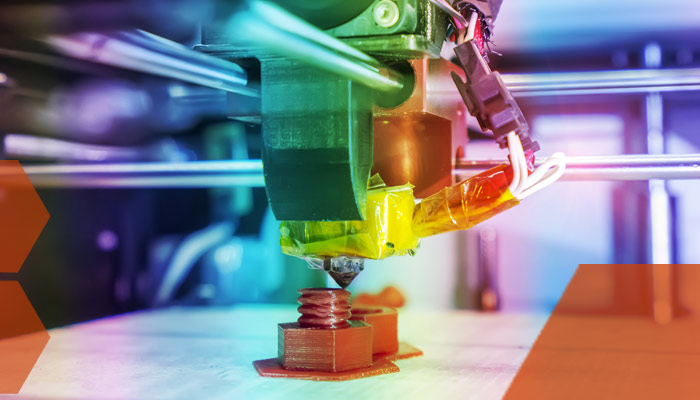
AM is typically portrayed as the ideal technology to achieve net-shape -- a part that's close to finish and ready for deployment. But the reality may be more complicated than that. In designs with intricate details and small features, and parts manufactured using metal powders, the printed parts require several post-processing steps to remove the flaws and refine the surface to make them deployable.
In this session, Professor Torres-Sanchez explains how different AM technologies affect polymer and metel powder, and shares observations from comparing the same intricate geometry printed with different technologies. She also discusses:
Register here to submit your questions and watch the presentation.


Kenneth Wong is Digital Engineering's resident blogger and senior editor. Email him at [email protected] or share your thoughts or suggestions at digitaleng.news/facebook.
Follow DE
Join over 90,000 engineering professionals who get fresh engineering news as soon as it is published.






About Us · Contact Us · Editorial Team · Advertising · Privacy Policy · Subscriber Services · © 2026 Digital Engineering 24/7 · Peerless Media