Helping design and engineering professionals discover, evaluate and specify technologies and processes that shorten the design cycle and enable success.



Digital Engineering April 2026
In the latest issue of Digital Engineering, we take a look at the latest innovations in design for additive manufacturing, including the use of natural language inputs, social media cosplayers, and AI integration. The issue also includes a feature…

January Special Focus Issue: Design for Additive
In this Special Focus Issue of Digital Engineering, learn about the latest advancements in design for additive manufacturing, including new software tools, additive in automotive, custom medical devices, and more.
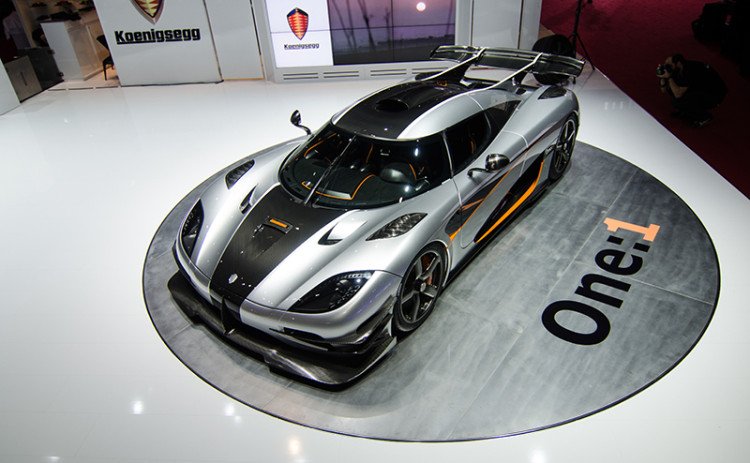
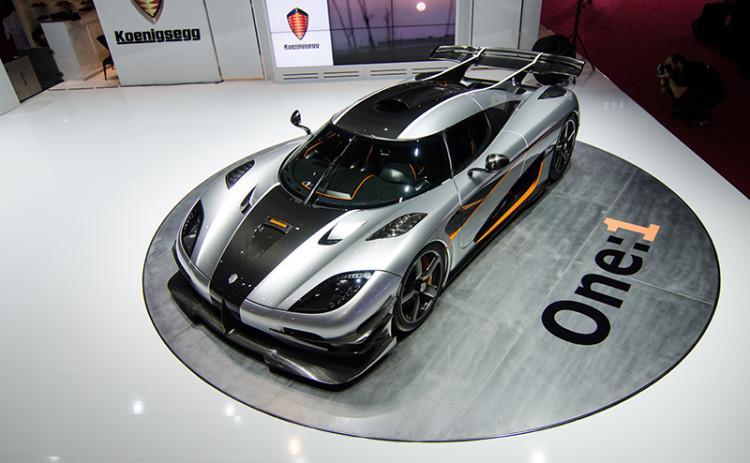
Swedish auto manufacturer Koenigsegg used 3D printing for both the design and manufacturing stages of its newest sports car, the One:1. The company made heavy use of rapid prototyping to ensure various details of the car looked and felt exactly as it wished, including the pedals, foot rest and mirror housing. Every detail of the One:1 was engineered to be as lightweight as possible, following the company’s vision of the perfect vehicle.
Koenigsegg didn’t stop with rapid prototyping. A number of production features were also 3D printed. As is the case for aerospace manufacturing, one reason the company chose to employ AM was the potential for waste and weight reduction offered by 3D printing compared to traditional manufacturing methods.
3D printed parts include the patented variable turbo housing (which the company claims gives improved response and bottom end torque), air ducts, interior mirror pieces, and the titanium exhaust end piece that is 400 grams lighter than a similar piece made from aluminum. Using 3D printed titanium parts to reduce overall weight is a trick the company might have picked up from aerospace manufacturing, where AM-built titanium parts are becoming more common.
Another reason Koenigsegg has decided to use AM for automobile production is cost. The One:1 is a luxury sports car rather than a vehicle that will go into mass production. For lower productions runs, simply building complex parts using AM — rather than attempting to build the tools necessary for other manufacturing methods — actually saves the company money.
Below you’ll find a video about Koenigsegg and 3D printing.
Source: Koenigsegg


John Newman is a Digital Engineering contributor who focuses on 3D printing. Contact him via [email protected] and read his posts on Rapid Ready Technology.
Follow DE
Join over 90,000 engineering professionals who get fresh engineering news as soon as it is published.






About Us · Contact Us · Editorial Team · Advertising · Privacy Policy · Subscriber Services · © 2026 Digital Engineering 24/7 · Peerless Media