Helping design and engineering professionals discover, evaluate and specify technologies and processes that shorten the design cycle and enable success.



Digital Engineering April 2026
In the latest issue of Digital Engineering, we take a look at the latest innovations in design for additive manufacturing, including the use of natural language inputs, social media cosplayers, and AI integration. The issue also includes a feature…

January Special Focus Issue: Design for Additive
In this Special Focus Issue of Digital Engineering, learn about the latest advancements in design for additive manufacturing, including new software tools, additive in automotive, custom medical devices, and more.
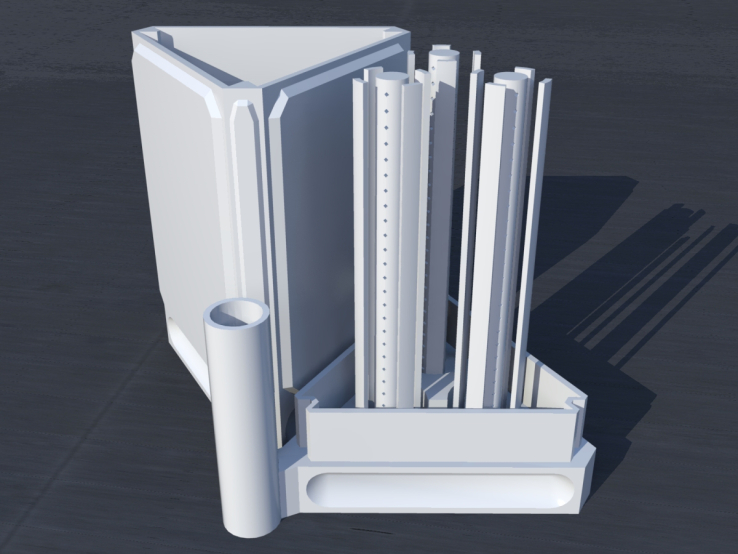
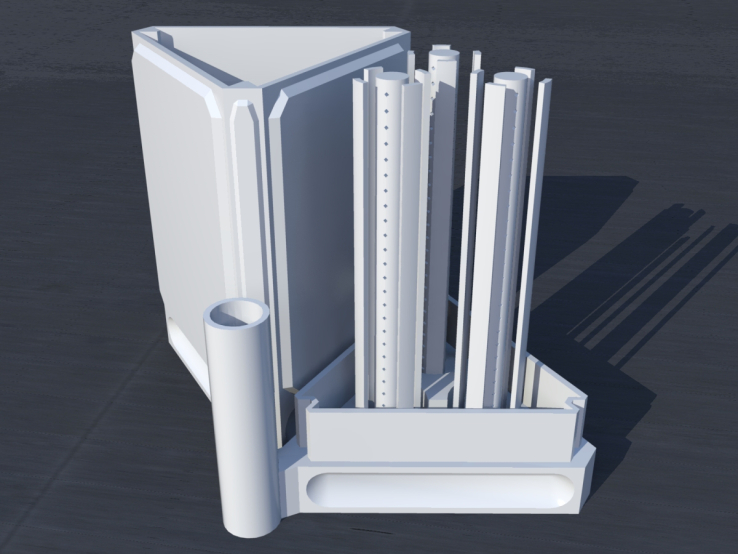 This printed fungarium took the top teen prize in NASA's Star Trek Replicator Challenge. Image: Future Engineers
NASA’s nationwide Star Trek Replicator contest isn’t quite that ambitious. The challenge for the most recent contest was to create a non-edible, food-related object that astronauts could 3D print in the year 2050 using a single feedstock, and that would fit in a 6-in. cube. The printed objects were designed to help grow, prepare or eat meals in space.
The more than 400 submissions were evaluated by judges from NASA, Made in Space, and the American Society of Mechanical Engineers. Judging criteria included innovation and creativity; the ability to advance space exploration; presentation skills; and quality of the model. This year’s winners:
Kyle Corette of Desert Vista High School in Phoenix (winner in the teen category) designed a printed fungarium that can grow and irrigate fungi on three rods while exposing them to cosmic radiation. The device grows melanized fungi, which thrive in ionizing radiation the same way plants use chloroplasts to convert sunlight into energy.
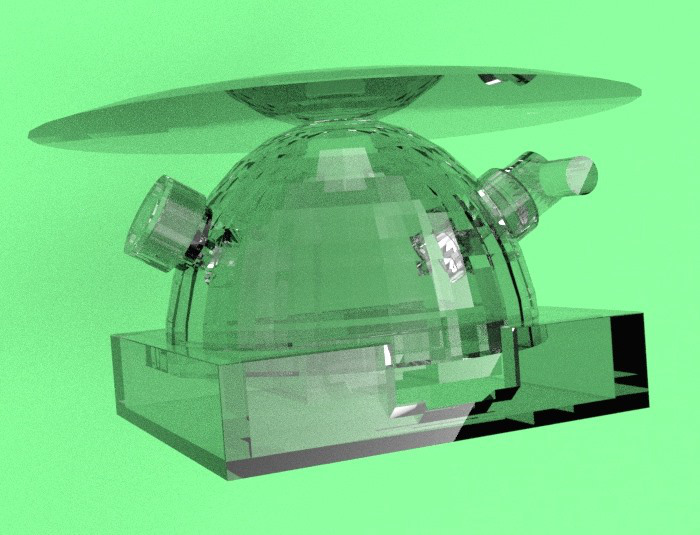 The astro mini-farm could be used to grow plants on Mars. Image: Future Engineers
Junior winner Sreyash Sola of Eagle Ridge Middle School in Ashburn, VA, created an astro mini-farm that can be used on Mars. A lens on the top of the structure gathers sunlight, while a pump keeps the atmospheric pressure low enough to enable plant growth.
Six finalists included a multi-purpose mug, a small Zero-G hydroponic device, a water condenser, a manual-crank blender and two different spirulina farms.
All of the winners and finalists received a Makerbot Replicator Mini for their school and a PancakeBot for home use. The two winners also got to visit and tour the Space Shuttle Enterprise.
You can see a gallery of other submissions here.
Source: Future Engineers


Brian Albright is the editorial director of Digital Engineering.
Contact him at [email protected].

Join over 90,000 engineering professionals who get fresh engineering news as soon as it is published.






About Us · Contact Us · Editorial Team · Advertising · Privacy Policy · Subscriber Services · © 2026 Digital Engineering 24/7 · Peerless Media