Helping design and engineering professionals discover, evaluate and specify technologies and processes that shorten the design cycle and enable success.


Alert!
Digital Engineering ceased publication on July 1, 2026. This website remains available as an archive of engineering content.
For inquiries or information, please email [email protected].

Digital Engineering April 2026
In the latest issue of Digital Engineering, we take a look at the latest innovations in design for additive manufacturing, including the use of natural language inputs, social media cosplayers, and AI integration. The issue also includes a feature…

January Special Focus Issue: Design for Additive
In this Special Focus Issue of Digital Engineering, learn about the latest advancements in design for additive manufacturing, including new software tools, additive in automotive, custom medical devices, and more.
Unsurprisingly, the AM materials market is growing alongside products and services. A new report by industry research firm IDTechEx estimating that the value of the AM materials market will exceed $600 million by 2025. The report, 3D Printing Materials 2014-2025: Status, Opportunities, Market Forecasts, was published this month, and was authored by Dr. Wendy Kneissl, senior technical analyst at IDTechEx.
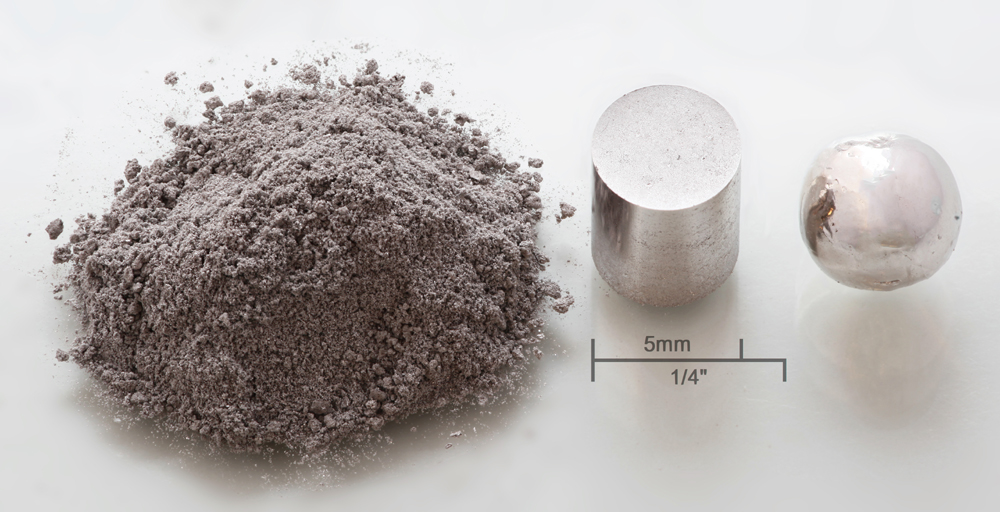
The report focuses on the major AM material groups including photopolymers, thermoplastics in solid form (ie. filaments and pellets), thermoplastics in powder form, metal powders, and powder-bed inkjet powders. According to the report, the current market is dominated by photopolymers and thermoplastics, at 56% and 40% usage, respectively.
IDTechEx forecasts that increased production of end-use products will drive sales growth of other materials in the near future. Metal materials are expected to see the largest amount of growth as demand grows, but the overall production of metal materials will probably remain about the same. While an expansion of the market will eventually drive prices down for other materials, the company forecasts that metal material prices will remain relatively steady.
A general decrease in material costs will result in some difficulties for 3D printer manufacturers that attempt to restrict customers from buying new materials from anyone but the original manufacturer. The same sales model that has kept the 2D printing industry afloat could run into problems in the 3D printing industry. Attempts to manufacture cartridges that are unique to a single AM system could be viewed as with extreme skepticism by the consumer base, perhaps leading to a larger third-party market.
Additionally, attempts by 3D printer manufacturers to artificially inflate the price of materials will not be greeted with approval from major corporate clients, who are likely to push back against such tactics using their vast purchasing potential as leverage.
Below you’ll find a video about different AM materials.
Sources: IDTechEx, 3D Systems


John Newman is a Digital Engineering contributor who focuses on 3D printing. Contact him via [email protected] and read his posts on Rapid Ready Technology.
Follow DE






About Us · Contact Us · Editorial Team · Advertising · Privacy Policy · Subscriber Services · © 2026 Digital Engineering 24/7 · Peerless Media