Helping design and engineering professionals discover, evaluate and specify technologies and processes that shorten the design cycle and enable success.


Alert!
Digital Engineering ceased publication on July 1, 2026. This website remains available as an archive of engineering content.
For inquiries or information, please email [email protected].

Digital Engineering April 2026
In the latest issue of Digital Engineering, we take a look at the latest innovations in design for additive manufacturing, including the use of natural language inputs, social media cosplayers, and AI integration. The issue also includes a feature…

January Special Focus Issue: Design for Additive
In this Special Focus Issue of Digital Engineering, learn about the latest advancements in design for additive manufacturing, including new software tools, additive in automotive, custom medical devices, and more.
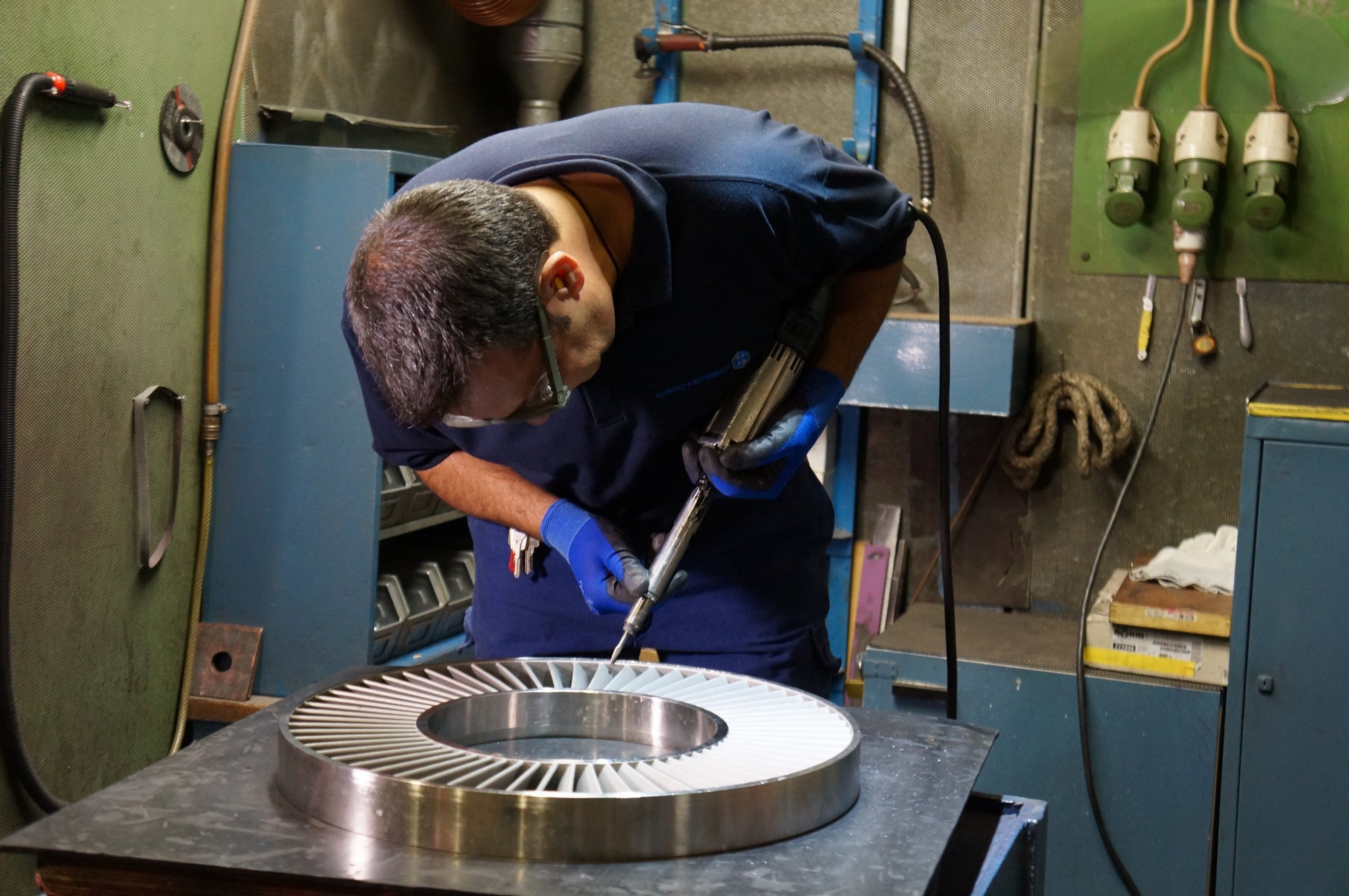
As designs became ever more complex, the costs associated with investment casting rose, and lead-times increased. Additive manufacturing (AM) offers a faster, less expensive alternative to creating investment molds, and a new case study from voxeljet featuring the Schmolz + Bickenbach Guss Gruppe provides a glimpse into the process.

In much of modern manufacturing quantity is a huge factor in the costs of development, or when producing only a small run of parts or products. A small run for investment casting using traditional manufacturing methods can raise associated production costs to near unacceptable levels.
"The problem is the immediate production of the required wax patterns that result in expensive injection moulding tools and wax presses,” said Thomas Peipp, investment casting manager at Schmolz + Bickenbach Guss GmbH. “These tool costs can become prohibitively expensive and time consuming when used with small series or development, as they ultimately result in very high unit prices."
To reduce prices for smaller runs Schmolz + Bickenbach frequently turned to voxeljet to supply 3D printed cores made from PMMA which softens at 73° C and burns without residue at temperatures over 700° C. This results in parts which are ideally suited for use as smelt models for investment casting purposes.
As production demands increased, Schmolz + Bickenbach eventually purchased a voxeljet system to increase productivity, reduce costs, and improve the overall quality of its cores. Using a VX1000 AM system, the company can more rapidly produce parts up to 1060 x 600 x 500 mm (41.7 x 23.6 x 19.7 in.) and a maximum unit weight of 70 kg (a little over 165 lbs.).
“In the past, we had the models printed at the voxeljet service center. The advantages of the 3D print technology, along with continuously rising order volumes, prompted us to invest in our own voxeljet printer in 2013,” added Peipp. “Now we can offer our customers even more rapid and efficient support.”
Below you’ll find a video about the improvements offered to investment casting by AM for Schmolz + Bickenbach.
Source: voxeljet


John Newman is a Digital Engineering contributor who focuses on 3D printing. Contact him via [email protected] and read his posts on Rapid Ready Technology.
Follow DE
Join over 90,000 engineering professionals who get fresh engineering news as soon as it is published.






About Us · Contact Us · Editorial Team · Advertising · Privacy Policy · Subscriber Services · © 2026 Digital Engineering 24/7 · Peerless Media