Helping design and engineering professionals discover, evaluate and specify technologies and processes that shorten the design cycle and enable success.


Alert!
Digital Engineering ceased publication on July 1, 2026. This website remains available as an archive of engineering content.
For inquiries or information, please email [email protected].

Digital Engineering April 2026
In the latest issue of Digital Engineering, we take a look at the latest innovations in design for additive manufacturing, including the use of natural language inputs, social media cosplayers, and AI integration. The issue also includes a feature…

January Special Focus Issue: Design for Additive
In this Special Focus Issue of Digital Engineering, learn about the latest advancements in design for additive manufacturing, including new software tools, additive in automotive, custom medical devices, and more.
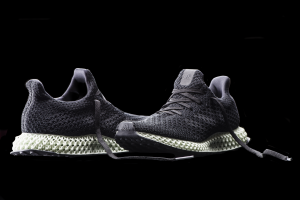
Carbon helped Adidas create a new printable elastomer that allowed the shoe company to obtain the right physical properties and color tinting for the midsoles. Carbon altered its own EPU 40 material and iterated more than 150 different formulations to get the right mechanical properties.
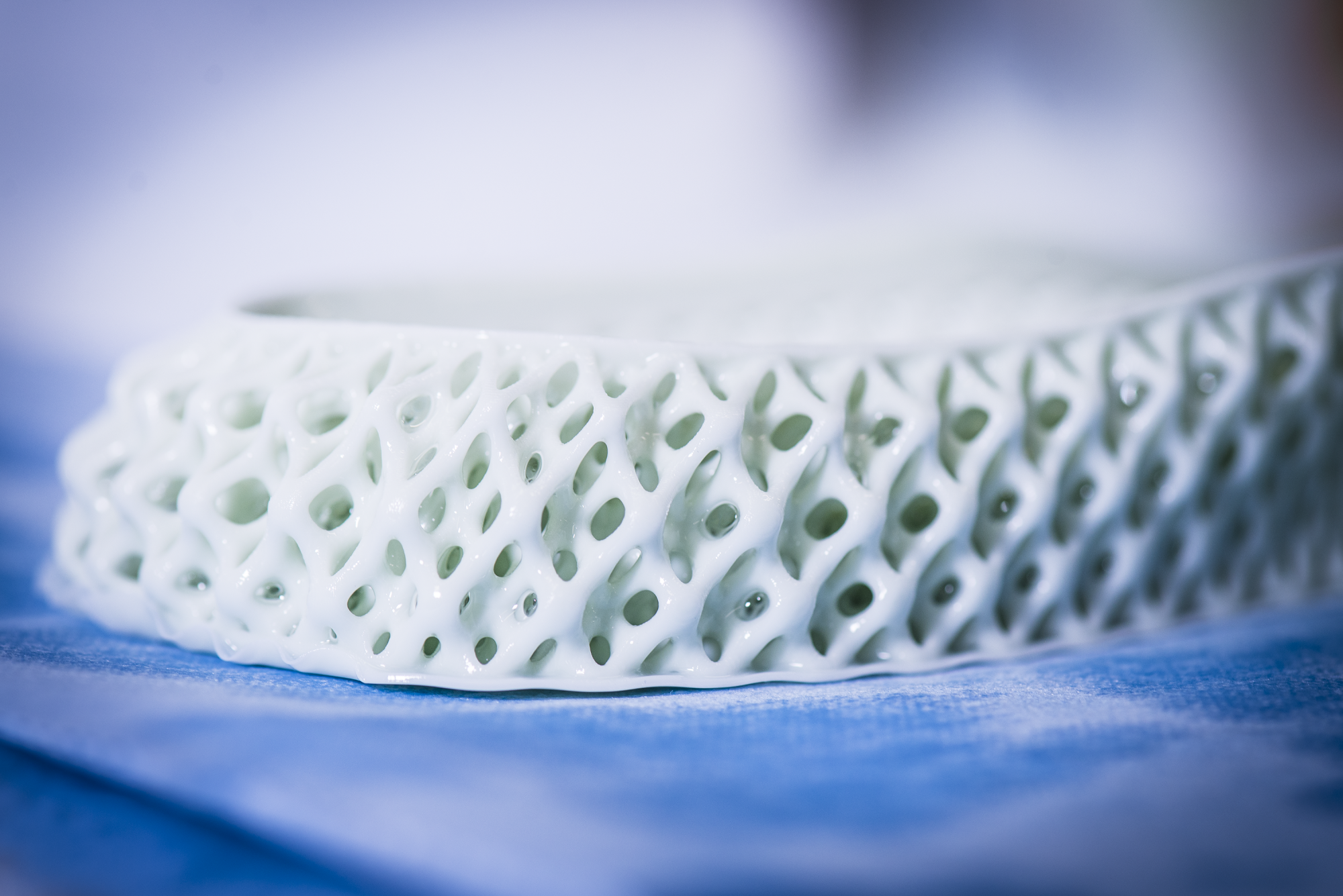
The new midsoles feature variable physical properties across the structure to improve performance for different sports, a design concept that Carbon says would have been impossible using traditional manufacturing methods such as injection molding or compression molding.
3D printing also allowed for rapid design iteration, and Carbon says the company went through 50 different design iterations because there was no need for tooling or prototyping. Carbon set up an incubator factory at its headquarters to validate the print system and materials, including creating print and post-processing solution.
 “With Digital Light Synthesis, we venture beyond limitations of the past, unlocking a new era in design and manufacturing,” said Eric Liedtke, Adidas Group executive board member responsible for global brands. “One driven by athlete data and agile manufacturing processes. By charting a new course for our industry, we can unleash our creativity—transforming not just what we make, but how we make it.”
You can read a detailed case study on the Carbon website.
Eventually, Adidas will be able to print custom midsoles tailored to individual customers. Using Carbon’s printers at small manufacturing centers, the company can localize production for these custom shoes. Adidas also opened a pilot Speedfactory in Herzogenaurach, Germany, and has plans to open a similar facility in Atlanta.
Currently, it takes roughly 90 minutes to print a single midsole, but the two companies are collaborating to create new printers that would cut that down to 20 minutes.
Carbon’s continuous printers use laser light (Digital Light Synthesis) to built the structure.
Adidas will release 300 pairs of the FutureCraft shoes this month, followed by 4,000 pairs for retail in the fall and winter.
Source: MIT Technology Review


Brian Albright is the editorial director of Digital Engineering.
Contact him at [email protected].

Join over 90,000 engineering professionals who get fresh engineering news as soon as it is published.






About Us · Contact Us · Editorial Team · Advertising · Privacy Policy · Subscriber Services · © 2026 Digital Engineering 24/7 · Peerless Media