Helping design and engineering professionals discover, evaluate and specify technologies and processes that shorten the design cycle and enable success.


Alert!
Digital Engineering ceased publication on July 1, 2026. This website remains available as an archive of engineering content.
For inquiries or information, please email [email protected].
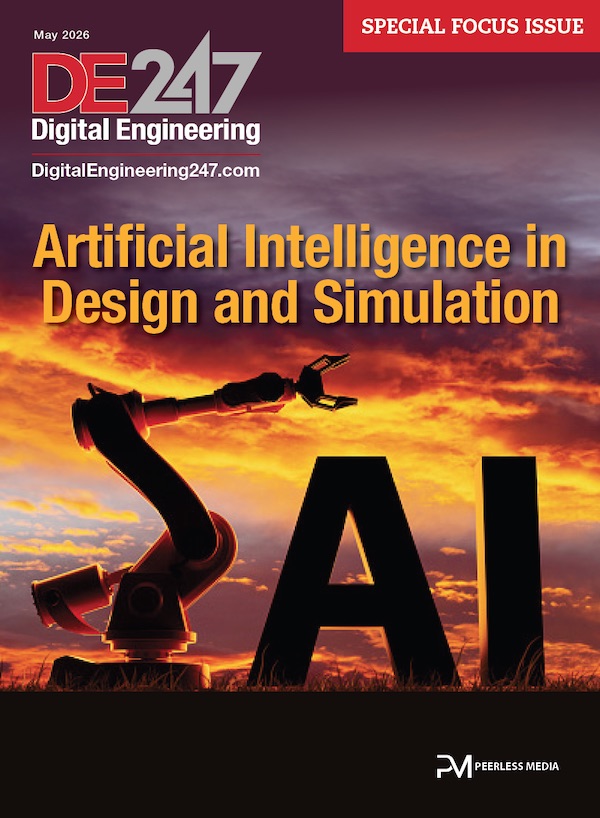
May 2026 Special Focus: Artificial Intelligence in Design and Simulation
In this Special Focus Issue, learn about the latest developments in the integration of artificial intelligence into engineering workflows.

April 2026 Special Focus Issue: Generative Design
In this Special Focus Issue, Digital Engineering takes a look at how generative design solutions can be used across different types of design problems and with a variety of manufacturing approaches to accelerate design space exploration, and…
Transporting critical cargo like medical supplies, emergency equipment, and time-sensitive goods typically relies on airplanes and helicopters. While effective, these aircraft are expensive to operate, complex to maintain, and often impractical for remote or underserved regions. They require onboard crews, extensive ground infrastructure, and favorable operating conditions, all of which increase cost and risk.
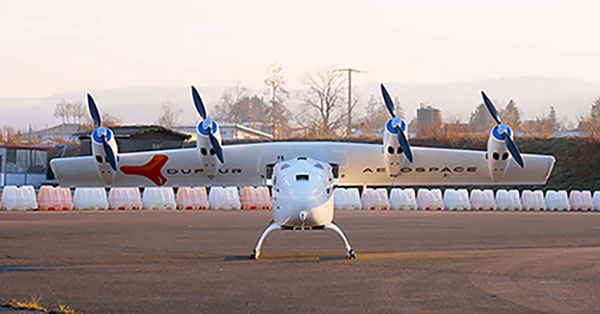
Swiss-based Dufour Aerospace envisioned a new solution: long-range hybrid-electric uncrewed drones capable of flying hundreds of kilometers while carrying substantial payloads and advanced sensor systems. These drones take off and land like helicopters but deliver the speed, efficiency, and safety of airplanes. This makes them an ideal solution for real-world critical cargo delivery with high safety standards and low operating costs.
Dufour’s product-development cycles require tight integration between software, hardware, structures, and certification requirements. In early years, they relied on a patchwork of manual processes and disconnected tools to manage design data, part numbers, and releases. Manual exports, spreadsheet-based workflows, and fragmented communication between design and manufacturing created friction as the team grew and projects became more complex.


Accelerate Your Product Development With Seamless Team and Supplier Collaboration in the Cloud.

Manufacturing in Uncertain Times: Cloud Strategies to Overcome Supply Chain Disruption
Facing tariffs, labor shortages, or supply chain issues? Explore how cloud-based solutions help manufacturers improve resilience, streamline operations, and stay competitive in volatile markets.






About Us · Contact Us · Editorial Team · Advertising · Privacy Policy · Subscriber Services · © 2026 Digital Engineering 24/7 · Peerless Media