Helping design and engineering professionals discover, evaluate and specify technologies and processes that shorten the design cycle and enable success.


Alert!
Digital Engineering ceased publication on July 1, 2026. This website remains available as an archive of engineering content.
For inquiries or information, please email [email protected].

Digital Engineering April 2026
In the latest issue of Digital Engineering, we take a look at the latest innovations in design for additive manufacturing, including the use of natural language inputs, social media cosplayers, and AI integration. The issue also includes a feature…

January Special Focus Issue: Design for Additive
In this Special Focus Issue of Digital Engineering, learn about the latest advancements in design for additive manufacturing, including new software tools, additive in automotive, custom medical devices, and more.
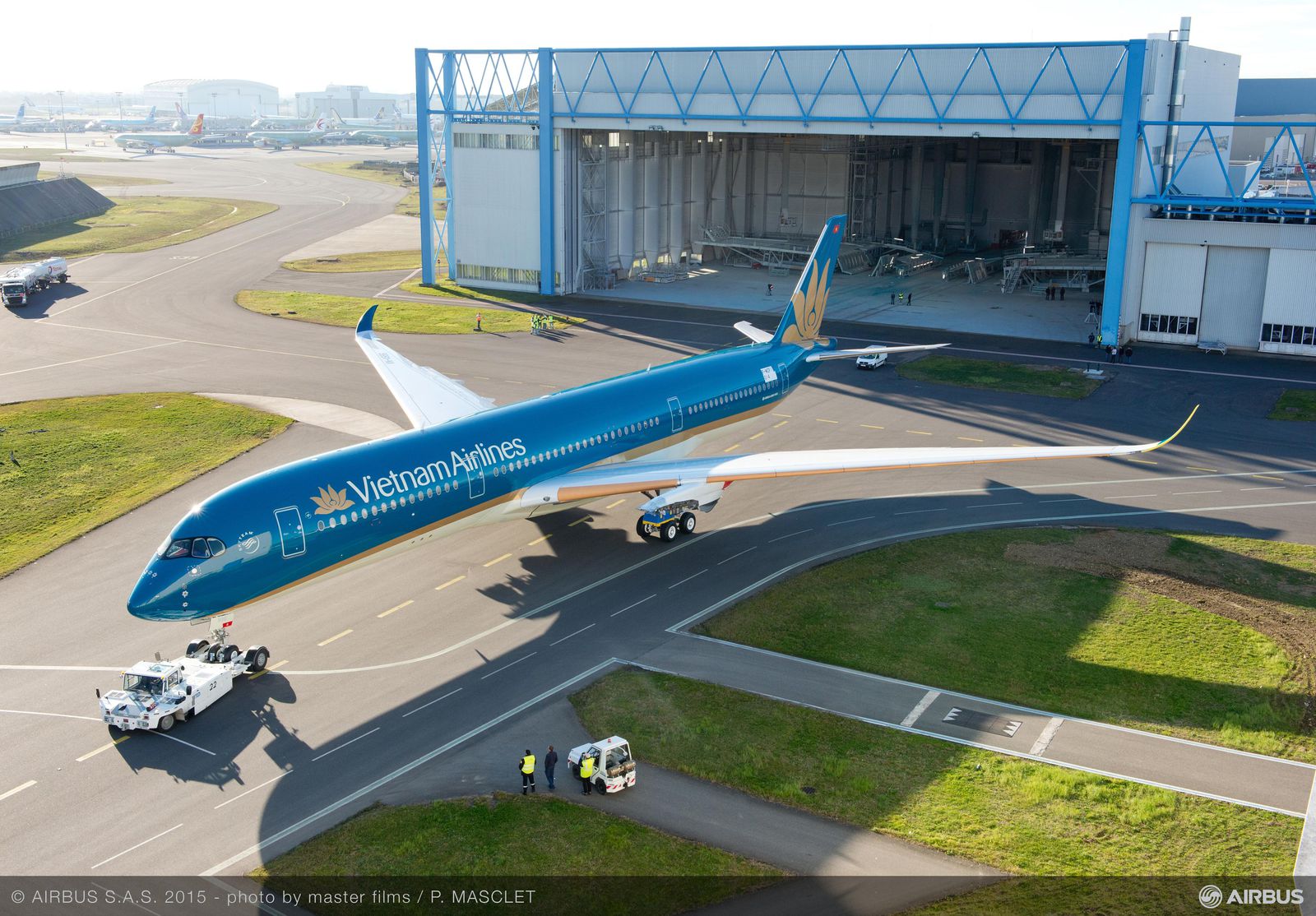
Airbus is hard at work putting the finishing touches on the A350 XWB aircraft. Some of those final touches include brining in parts built using 3D printing and, more specifically, parts built using Stratasys systems. According to Airbus, the company used more than 1,000 3D printed parts during the construction of first delivered A350 XWB.
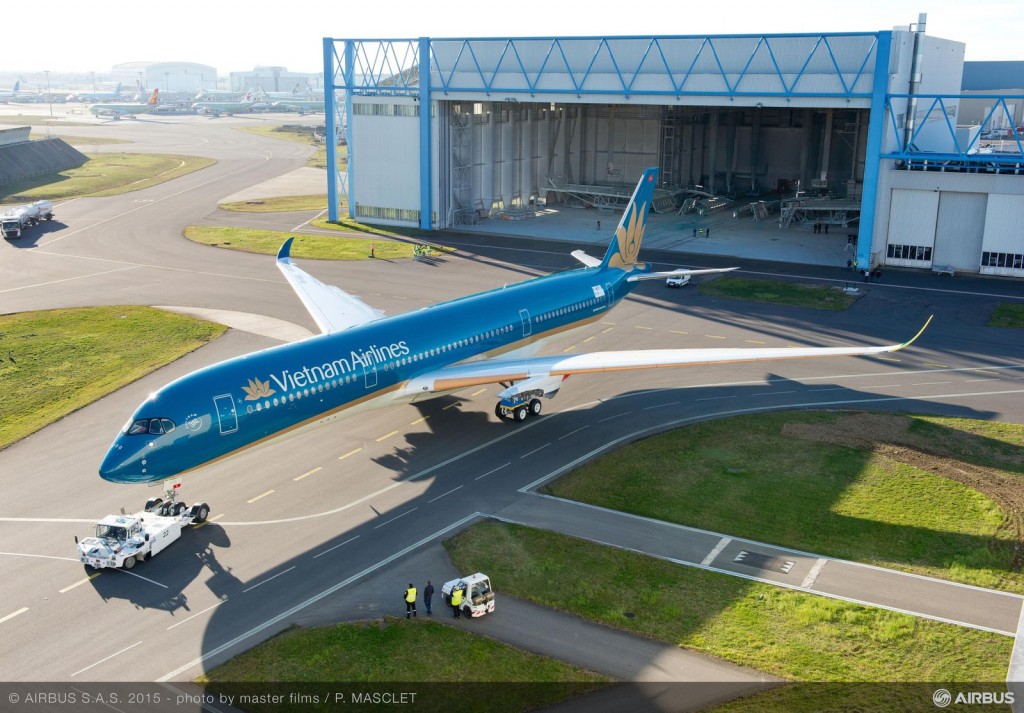 One of the first A350 XWB's to be delivered. The new airplane includes a host of 3D printed parts. Courtesy of Airbus.
“We are delighted that Stratasys additive manufacturing solutions are being adopted by Airbus for its flagship A350 XWB aircraft,” said Dan Yalon, executive VP, business development, marketing & vertical solutions for Stratasys. “Our additive manufacturing solutions can produce complex parts on-demand, ensuring on time delivery while streamlining supply chains. Additive manufacturing also greatly improves the buy-to-fly ratio as significantly less material is wasted than with conventional manufacturing methods.”
The primary system responsible for cranking out the parts used in Airbus’ design was the Fortus series, and the material of choice was ULTEM 9085 resin for FDM. ULTEM 9085 has been certified for use by Airbus and provides the aerospace manufacturer with a material that provides high strength-to-weight ratio and is FST (flame, smoke, and toxicity) compliant.
Along with a reduction in initial costs associated with airplane construction, use of AM parts can reduce costs for maintenance over the airplane’s lifecycle. Reduced costs are a result of reducing or eliminating the supply chain and costs associated with housing and maintaining replacement parts and materials. If a 3D printed part needs replaced or repaired, maintenance crews can pull up the file and print out the required part.
Below you’ll find a short video about the A350 XWB.
Source: Stratasys


John Newman is a Digital Engineering contributor who focuses on 3D printing. Contact him via [email protected] and read his posts on Rapid Ready Technology.
Follow DE






About Us · Contact Us · Editorial Team · Advertising · Privacy Policy · Subscriber Services · © 2026 Digital Engineering 24/7 · Peerless Media