Helping design and engineering professionals discover, evaluate and specify technologies and processes that shorten the design cycle and enable success.



Digital Engineering April 2026
In the latest issue of Digital Engineering, we take a look at the latest innovations in design for additive manufacturing, including the use of natural language inputs, social media cosplayers, and AI integration. The issue also includes a feature…

January Special Focus Issue: Design for Additive
In this Special Focus Issue of Digital Engineering, learn about the latest advancements in design for additive manufacturing, including new software tools, additive in automotive, custom medical devices, and more.
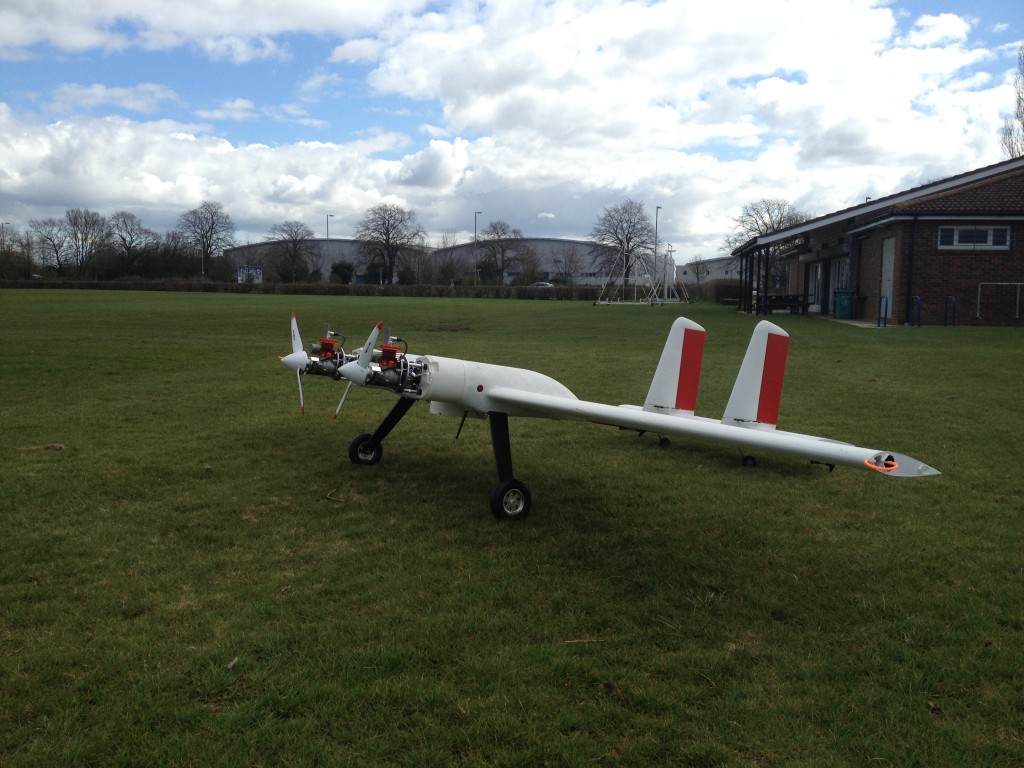
Modern surveillance drones are utilized for a number of purposes, going well beyond the traditional military role. The 2Seas drone, designed by the University of Southampton, has been developed specifically to help the United Kingdom, France and the Netherlands patrol the North Sea and the English Channel for smugglers and drug traffickers.
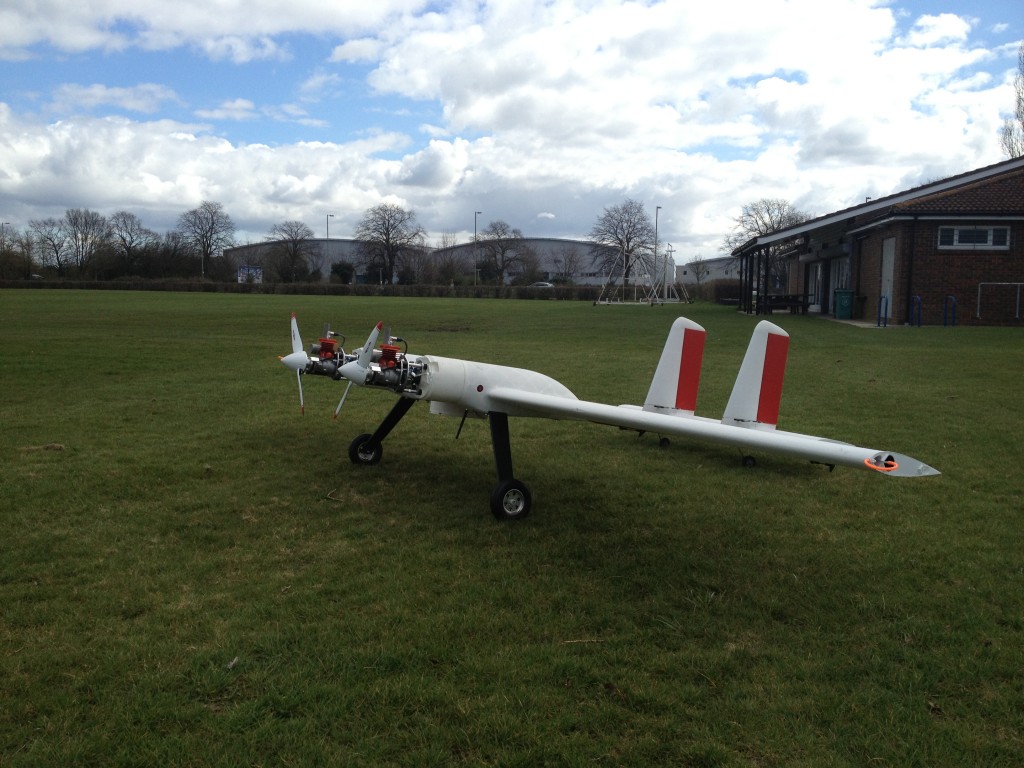
The body of the 2Seas was built using additive manufacturing (AM). As previously reported by Rapid Ready, the merits of 3D printing allow designers to make lighter aircraft to help increase the amount of time a drone can spend in flight. Large pieces of the plane can be created in a single build, from a single piece of material, rather than from multiple parts, as is the case for traditional manufacturing. Fewer parts makes for a lighter aircraft, which reduces fuel expenditures.
The 2Seas UAV has twin propellers fueled by a gasoline engine that can reach speeds of 55 mph, which is fast enough to keep up with a smuggler’s speed boat. The drone can stay aloft for up to six hours at a time before having to return to refuel. The carbon fiber wings on the 2Seas measure approximately 13 ft., and were not produced through AM. The University of Southampton suggests that they were unable to find a 3D printer large enough to print the wings, but that will surely change in short order.
Still undergoing tests of its surveillance equipment, the 2Seas is expected to hit the skies over Europe by 2015. With as many drones as the US has flying about, I’d expect it won’t be long before Americans looks to AM to redesign the drones being used to fight drug smuggling in North America. Below you’ll find a video of the drone’s first test flight.

John Newman is a Digital Engineering contributor who focuses on 3D printing. Contact him via [email protected] and read his posts on Rapid Ready Technology.
Follow DE
Join over 90,000 engineering professionals who get fresh engineering news as soon as it is published.






About Us · Contact Us · Editorial Team · Advertising · Privacy Policy · Subscriber Services · © 2026 Digital Engineering 24/7 · Peerless Media