Helping design and engineering professionals discover, evaluate and specify technologies and processes that shorten the design cycle and enable success.

Join us for our latest Digital Engineering Design and Simulation Summit this October 30, 2025.
Design and simulation software vendors have been adding AI-powered copilots and assistants, capable of understanding natural language. In theory, they can peruse public forums and internal databases to answer users’ technical questions, or offer step-by-step guidance on complex processes like 3D modeling and simulation setup. In this LIVE keynote, our expert panelists discuss the strengths and weaknesses of AI-powered features in design and simulation software.
Turning Atmospheric Pressure into Energy for Safer Space Design
In this session, Fabien Chancel presents the award-winning Static Pressure Launch (SPL) concept, a simulation-led design that uses the natural pressure differential between sea level and the stratosphere to create thrust, without springs, compressed gas, or explosives.
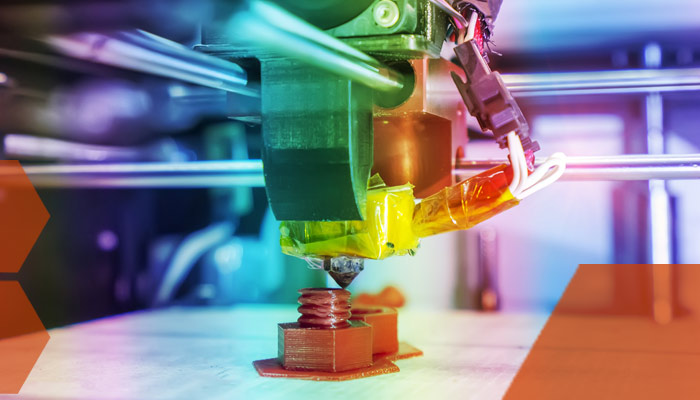
Post-Processing: The Key to Additive Manufacturing Success
AM is typically portrayed as the net-shape, print-and-go, ready-to-deploy manufacturing technology. However, designs with intricate details and small features, and manufacturing using metal powders still pose a challenge. This session will cover
macro orientations, micro locations and post-processing methods.
Harnessing Cloud-Based HPC for Safety Science Simulation at UL Research Institutes
UL Research Institutes (ULRI), is redefining how complex simulations drive scientific discovery. Join Craig Hamill, Director of Innovation, Technology, and Knowledge Management at ULRI, to explore how cloud-enabled HPC is reshaping simulation-driven safety research and learn how these digital capabilities are fostering real-world impact.
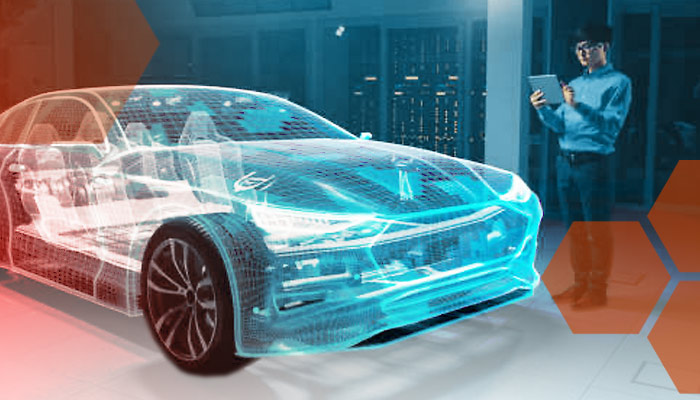
Join Madhav Gupta, Digital Twin Engineer at Weber Food Technology, as he recounts Weber's path to digital twin, from fragmented development processes to a digital-first approach. He describes the CAD and simulation programs that serve as the building blocks, revealing how simulation-driven design and virtual commissioning address the challenges of rapid growth and customer-specific customization.