Helping design and engineering professionals discover, evaluate and specify technologies and processes that shorten the design cycle and enable success.



Digital Engineering April 2026
In the latest issue of Digital Engineering, we take a look at the latest innovations in design for additive manufacturing, including the use of natural language inputs, social media cosplayers, and AI integration. The issue also includes a feature…

January Special Focus Issue: Design for Additive
In this Special Focus Issue of Digital Engineering, learn about the latest advancements in design for additive manufacturing, including new software tools, additive in automotive, custom medical devices, and more.
The Nissan Skyline, launched as a modest luxury car in 1957, morphed into a racecar legend over the years, opening the door to a ripe enthusiast market for expensive and often hard-to-find spare parts.
The challenge of keeping up with production and inventory on spare parts for the beloved vehicle, now known as the Skyline GT-R, led Nissan to find a more efficient and cost-effective way to make parts. The solution: Integrating HP’s Multi Jet Fusion 3D printing platform as part of its Heritage Parts initiative.
Launched in late 2017 by Nissan Motorsports International and Autech Japan, the Heritage Parts program was originally focused on remanufacturing brand-new, hard-to-find parts for the R32 GTR, but due to continued demand, eventually expanded to include over 300 parts for the R32, R33, and R34 Skyline GT-R generations. While deemed a success, the Heritage Parts program created difficulty for Nissan given the uncertainty surrounding the management of replacements, particularly having insight into what replacement parts might be needed and at what quantities. Keeping a full inventory of all parts stock requires a huge investment in both production and storage capacity, not to mention, creates logistics challenges.
3D printing provides a much more manageable way to deal with rising demand. “The logistics and inventory storage challenges typically associated with traditional manufacturing processes in order to retain the molds needed for these replacement parts can be expensive,” says Jonathan Wayne, head of global commercial business 3D printing & digital manufacturing at HP. “A much more accessible and desirable solution for [NISMO] was digital manufacturing and 3D printing, which enables flexible design while also accelerating the production of complex parts at an attractive price.”
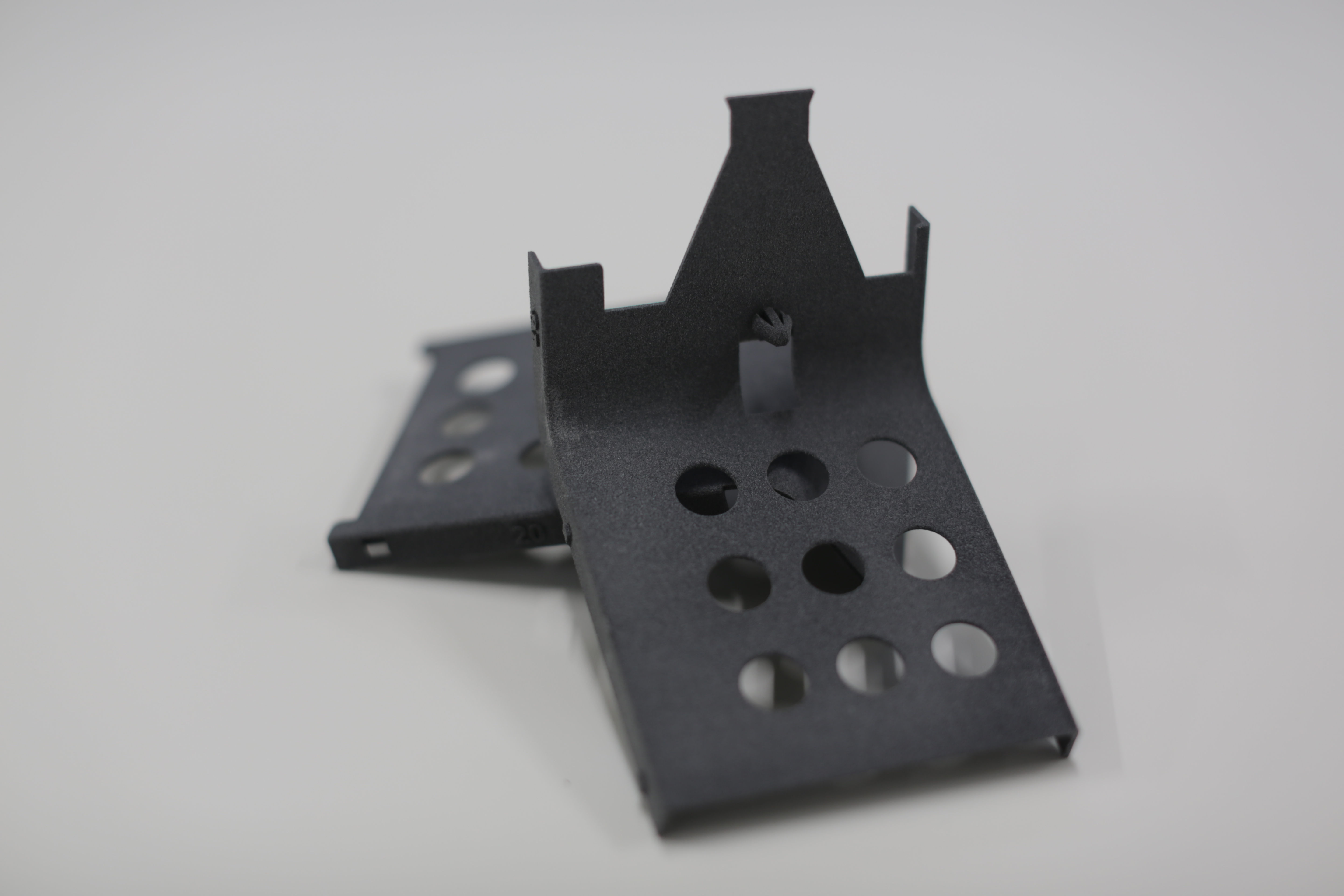
Working with HP and SOLIZE, an engineering consulting company specializing in digital manufacturing, NISMO and partners identified ideal parts for 3D production, starting with a plastic part of the harness protector for the R32 Nissan Skyline GT-R. The part is now being made using HP’s Jet Fusion 5200 printer and its High Reusability PA 11 materials, which provide high mechanical properties and design flexibility.
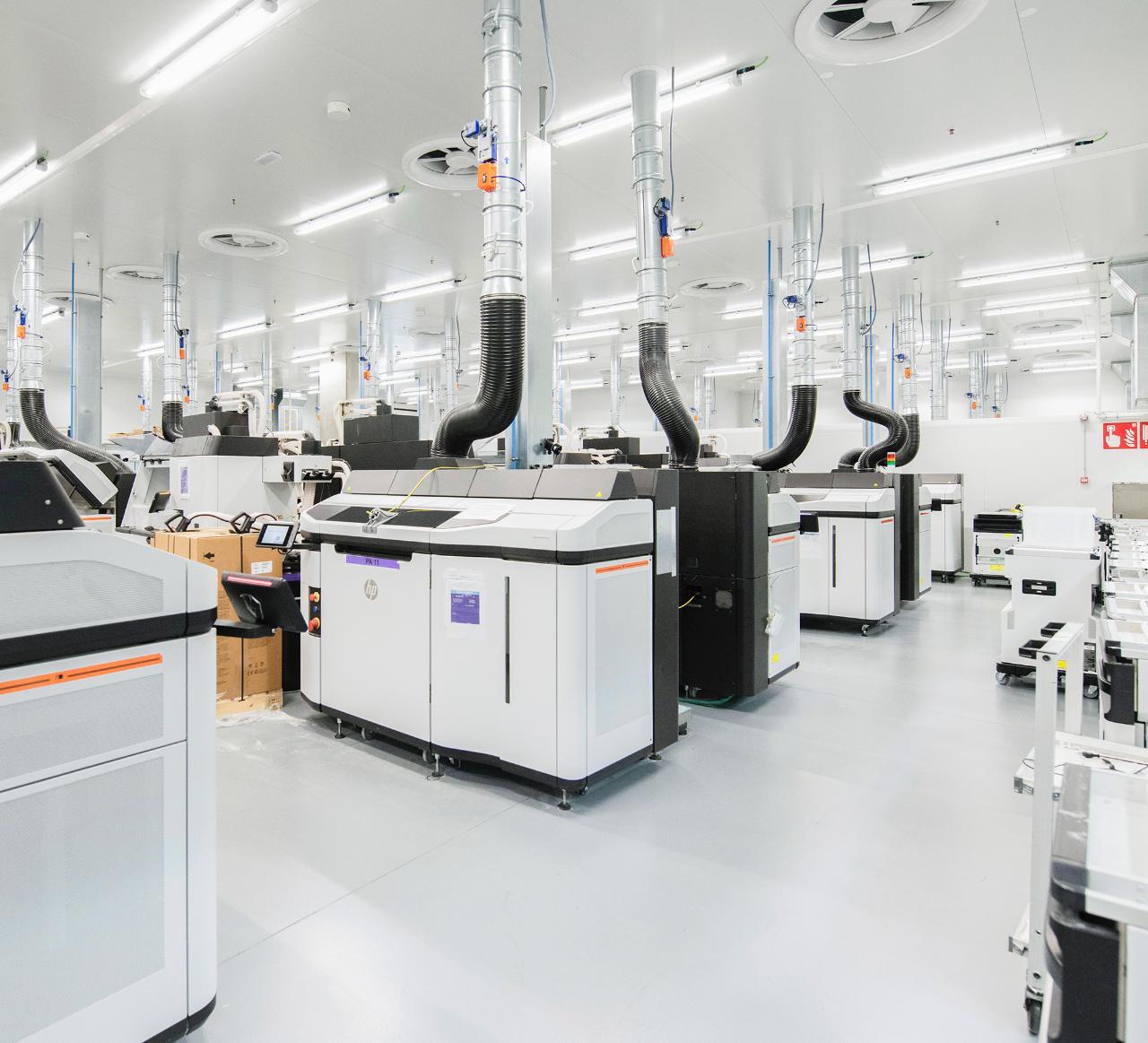
The ability to hold virtual inventory for the GT-R that can be produced on demand is what creates the digital manufacturing advantage. “3D printing offers an unparalleled benefit with its enablement of just-in-time production, which optimizes the entire process by lowering inventory stock while maintaining a healthy and cost-effective level of stock-out avoidance,” Wayne adds.
NISMO isn’t the only automaker moving full speed ahead with 3D printing replacement parts. Porsche is leveraging SLM 3D printing for metal parts and SLS 3D printing for plastic parts and tooling for some of its rare and classic cars. Mercedes-Benz Trucks is also using metal 3D printing technologies to produce spare parts from a digital data inventory for classic truck and Unimog models—vehicles that are more than a decade out of production.
To learn more about the Skyline GT-R and the NISMO Heritage Parts program, check out this video.

We offer a product and service portfolio of personal systems, printers, and 3D printing solutions.

Beth Stackpole is a contributing editor to Digital Engineering. Send e-mail about this article to [email protected].
Follow DE
Join over 90,000 engineering professionals who get fresh engineering news as soon as it is published.






About Us · Contact Us · Editorial Team · Advertising · Privacy Policy · Subscriber Services · © 2026 Digital Engineering 24/7 · Peerless Media