Helping design and engineering professionals discover, evaluate and specify technologies and processes that shorten the design cycle and enable success.


Alert!
Digital Engineering ceased publication on July 1, 2026. This website remains available as an archive of engineering content.
For inquiries or information, please email [email protected].

Digital Engineering April 2026
In the latest issue of Digital Engineering, we take a look at the latest innovations in design for additive manufacturing, including the use of natural language inputs, social media cosplayers, and AI integration. The issue also includes a feature…

January Special Focus Issue: Design for Additive
In this Special Focus Issue of Digital Engineering, learn about the latest advancements in design for additive manufacturing, including new software tools, additive in automotive, custom medical devices, and more.
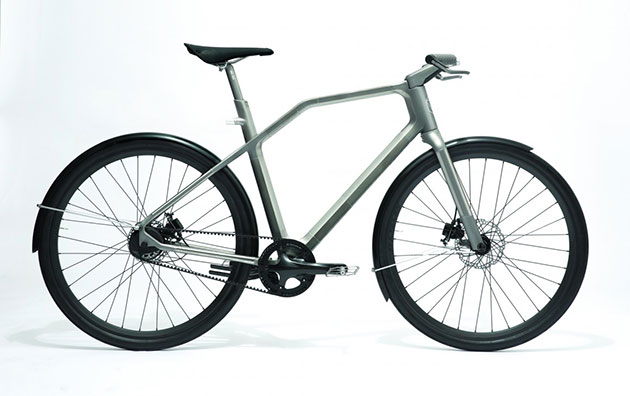
The Bike Design Project is an effort being made to ensure the continuation of the American infatuation with bicycling by updating the form and utility of a bike. One entry to the contest, from Industry and TiCycles, is simply named Solid, and it looks to bring cycling into the digital age through 3D printing and wireless technology.
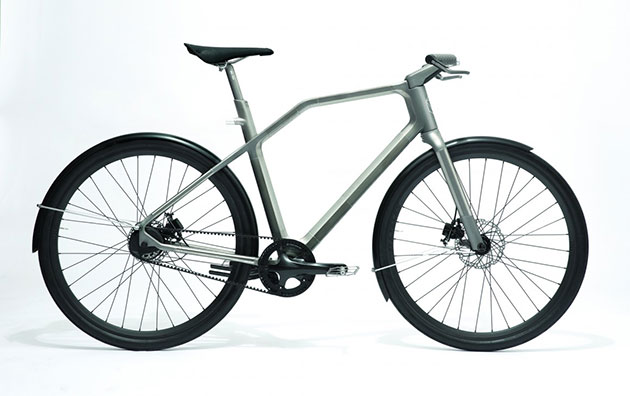 The future face of bicycling may look like Solid. Courtesy of Industry.
From the Industry website:
In parallel to our vision of creating a SEAMLESS experience, we’ve been prototyping with technology by incorporating subtle digital elements to compliment [SIC] our analog ride. Not using technology for technology’s sake, but rather enabling a meaningful riding experience that will inspire everyday cycling.
The danger of trying to manipulate a phone while biking makes the entire process unwise at best. Solid includes Bluetooth connectivity which has been designed to work in concert with several smart phone apps. One app monitors your bike for faulty lights or other maintenance woes, while another offers GPS navigation via haptic handlebar grips.
Upon selecting your destination, the handlebars will vibrate to tell you which direction to head. The right handlebar indicates a right turn, the left a left turn, and if both handlebars vibrate you missed your turn. Gear shifting is also controlled electronically.
All those electronic goodies are contained within a lightweight 3D printed titanium body, which can be unscrewed for access. The body was built in multiple parts using selective laser sintering, and some final touches were added by hand.
Solid is hardly the first bicycle to be built using 3D printing, but it is the first Rapid Ready has encountered that incorporates additional features to bring cycling into the information age. Below you’ll find a design video about the Solid bicycle.


John Newman is a Digital Engineering contributor who focuses on 3D printing. Contact him via [email protected] and read his posts on Rapid Ready Technology.
Follow DE






About Us · Contact Us · Editorial Team · Advertising · Privacy Policy · Subscriber Services · © 2026 Digital Engineering 24/7 · Peerless Media