Helping design and engineering professionals discover, evaluate and specify technologies and processes that shorten the design cycle and enable success.


Alert!
Digital Engineering ceased publication on July 1, 2026. This website remains available as an archive of engineering content.
For inquiries or information, please email [email protected].

Digital Engineering September 2025
In the September issue of Digital Engineering, we look at trends in engineering education, how engineering schools are handling DfAM, the limitations of ROMs, VR engineering workflows, reports from the Paris Air Show and Hexagon LIVE, and more.
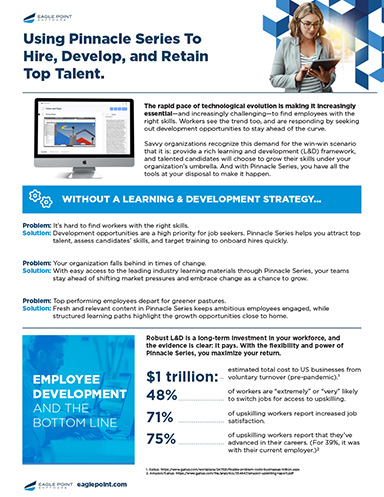
How Pinnacle Series Helps AEC Firms Attract, Train, and Retain Top Talent
Discover how AEC firms use Pinnacle Series to solve hiring challenges, upskill employees, and reduce turnover with personalized learning, skill assessments, and role-based training.
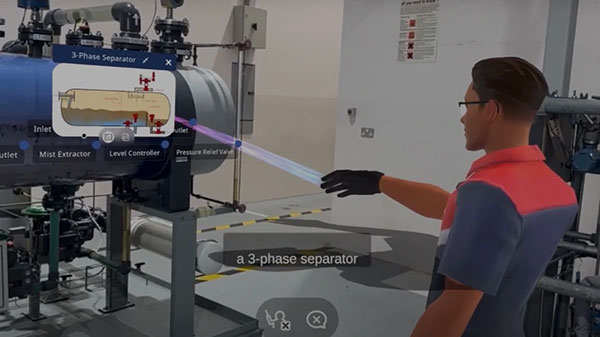
EON Reality has launched Spatial IQ, an artificial intelligence (AI)-powered augmented reality (AR) platform designed to enhance how knowledge is accessed, shared, and applied in real-world settings, the company says. Spatial IQ leverages spatial AI technology to map physical environments, overlay detailed information and standard operating procedures (SOPs), and provide real-time guidance through interactive learning avatars.
“Spatial IQ represents the next frontier in knowledge transfer and skill development. By combining the power of Spatial Artificial Intelligence with interactive learning avatars, we’ve created a platform that not only guides users step-by-step through complex procedures but also enables them to practice, perform, and perfect their skills with confidence. This is the future of hands-on training, where learning happens not just through instruction but through doing and experiencing in a fully immersive environment,” says Dan Lejerskar, chairman of EON Reality.
Spatial IQ is built for industries, including manufacturing, construction, and retail. By utilizing Spatial AI, the platform scans and maps any physical object, from complex machinery to everyday tools, and provides instant access to standard operating procedures, training materials, and safety guidelines.
Spatial IQ also has an interactive AI-driven avatar feature, which demonstrates each step of a procedure and encourages users to perform tasks independently while offering real-time feedback.
Sources: Press materials received from the company and additional information gleaned from the company’s website.


DE's editors contribute news and new product announcements to Digital Engineering. Press releases may be sent to them via [email protected].
Follow DE






About Us · Contact Us · Editorial Team · Advertising · Privacy Policy · Subscriber Services · © 2026 Digital Engineering 24/7 · Peerless Media