Helping design and engineering professionals discover, evaluate and specify technologies and processes that shorten the design cycle and enable success.



Cut Retrieval-Augmented Generation (RAG) Hallucinations by 50%
Most teams hit the same wall with enterprise AI: LLMs that hallucinate, pipelines that don’t scale, and infrastructure that’s harder to design than the models themselves.

What Is Intelligent BOM Management? A Guide to Smarter Product Development
Learn how intelligent Bill of Materials (BOM) management helps teams collaborate, reduce errors, and bring innovative products to market faster with cloud-based PLM tools.
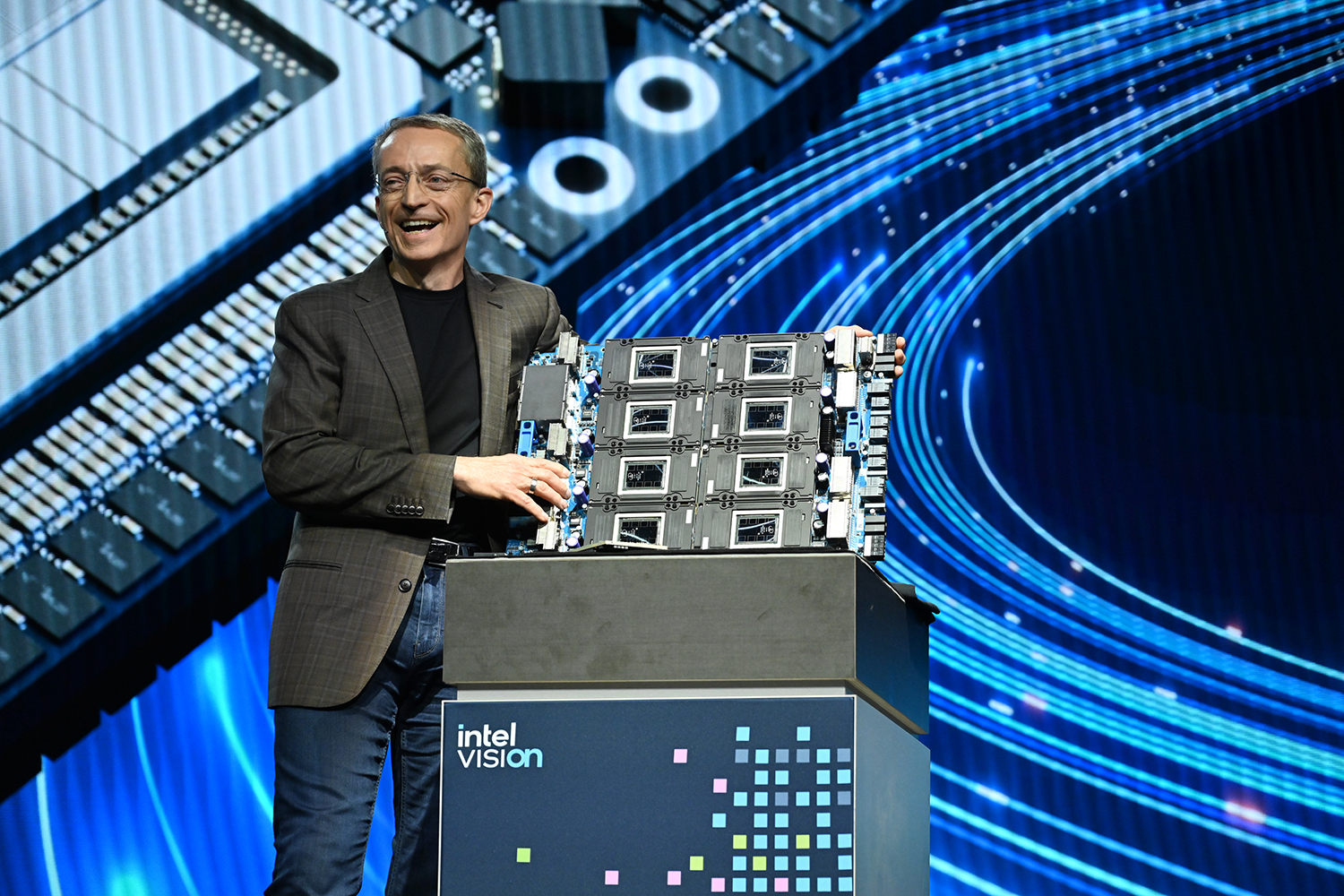
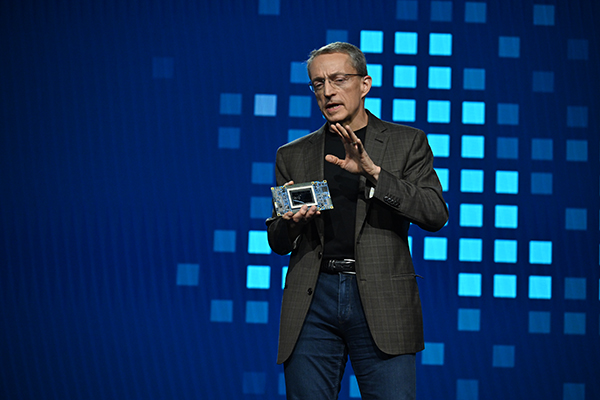
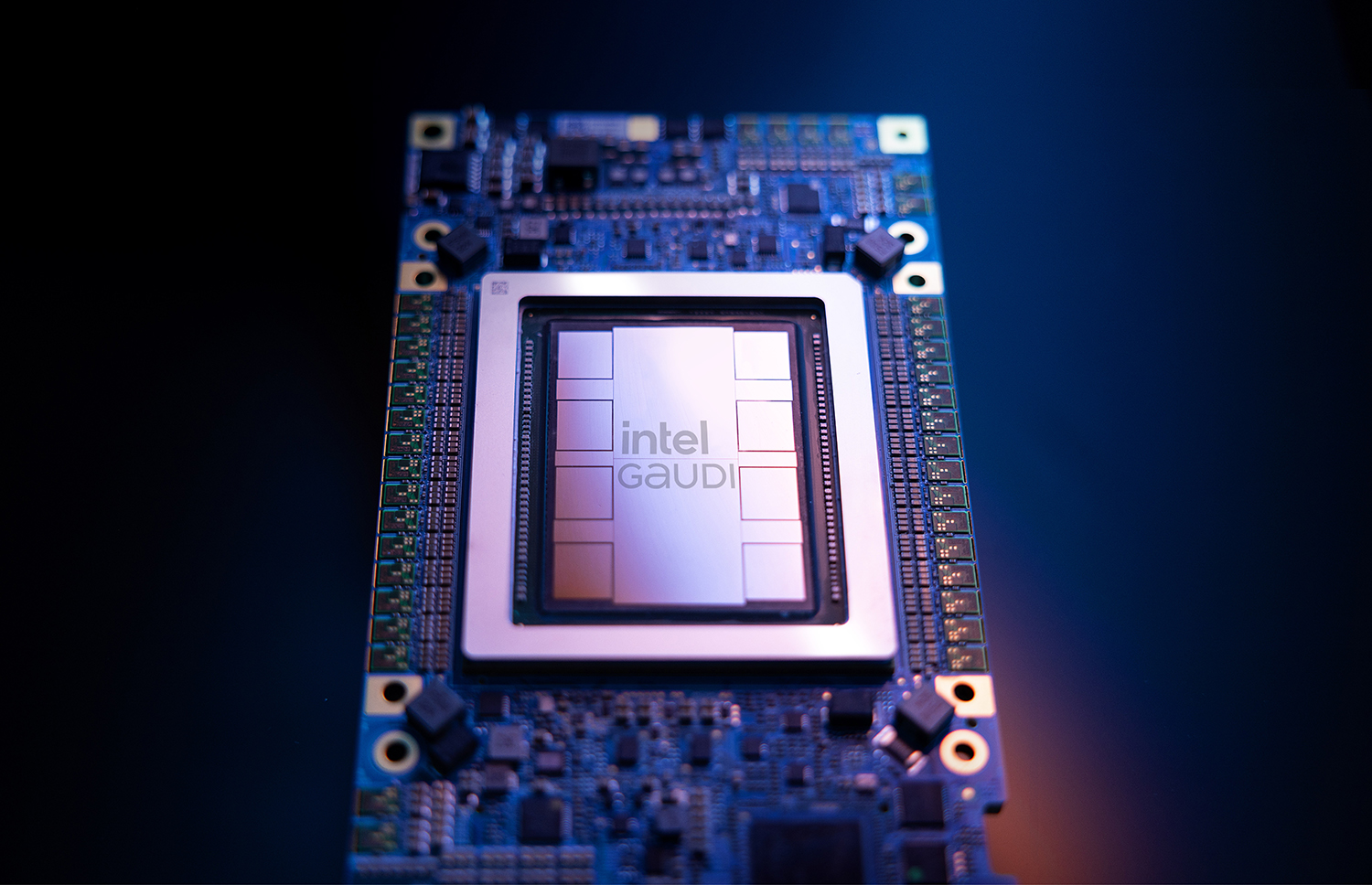
Coming just a month after NVIDIA GTC, Intel's Vision 2024 Conference this week (April 8-9, Phoenix, Arizona) was the CPU maker's chance to mount a response, to show how it would redefine its role in the AI processor market where NVIDIA is often in the spotlight. Intel's response was Gaudi 3, described in the announcement as "an AI accelerator, delivering 50% on average better inference and 40% on average better power efficiency than Nvidia H100--at a fraction of the cost."
In his keynote, Intel CEO Pat Gelsinger said, "AI is making everything exciting like we haven't seen before. It's the biggest change in technology since the internet. It's going to reshape every aspect of our business and yours ... Enterprises are also looking cost-effective inferencing and AI training. With that, we see them turning toward Gaudi. It's the only benchmarked alternative to the NVIDIA H100 ... You'll see many more customers coming on board as we accelerate our Gaudi offerings in 2024 and 2025." Gaudi 3 is now available to hardware partners, including Dell, HP, Lenovo, and Supermicro.
Gelsinger also gave the audience a peek at Intel's SoC (system on chip) codenamed Lunar Lake, designed for the era of AI PCs. "Before the competitors ship their first AI chip, we're launching our second, with three times the AI performance ... The third generation is in fabrication," he said.
Intel would continue to deliver new generation of its Xeon CPUs. It's now gearing to add Intel Xeon 6 to its portfolio. "We're seeing distinct advantages in cloud native, volume container solutions, and hyperscale workloads," he said.
At the conference, Intel also announced the launch of an open platform for enterprise AI together with SAP, RedHat, VMware and other industry leaders. The goal is "to accelerate deployment of secure generative AI (GenAI) systems, enabled by retrieval-augmented generation (RAG)," the announcement said.
With compute-intense AI workload, the interconnects also play a critical role to accelerate the process. NVIDIA addresses it with its NVLink technology. At Vision 2024, Intel announced the formation of a consortium, aiming to create an open Ethernet networking for AI fabric. Gelsinger promised to bring "a range of software and hardware reference design for AI connectivity, because we don't need proprietary networking for our AI connectivity solutions for the future."
In the professional workstation market, Intel Xeon remains the dominant choice, but new alternatives are emerging, especially in cloud computing and HPC (High Performance Computing). At SIGGRAPH 2017, AMD unveiled its AMD Ryzen Threadripper CPU line, aiming to compete with the Intel Xeon line in professional workstation markets. In 2020, Apple announced a three-year plan to move toward using its own CPUs in Apple computers. By June 2023, Apple has moved its entire Mac lineup to its own chips. At GTC 2021, NVIDIA revealed its first CPU, codenamed Grace, described as "the basic building block of a modern data center." Amazon also began producing its own Amazon Graviton CPUs for AWS (Amazon Web Services). Just this week, Google announced its own Google Axion CPUs for data centers. Most CPUs are based on the chip-building recipe licensed from ARM. With AI workloads demanding more HPC setups, the number of vendors developing their own CPUs to break away from their reliance on Intel may also grow, and for those who need it, ARM is willing to offer its instruction sets.

Intel's innovation in cloud computing, data center, Internet of Things, & PC solutions is powering the smart and connected digital world we live in.
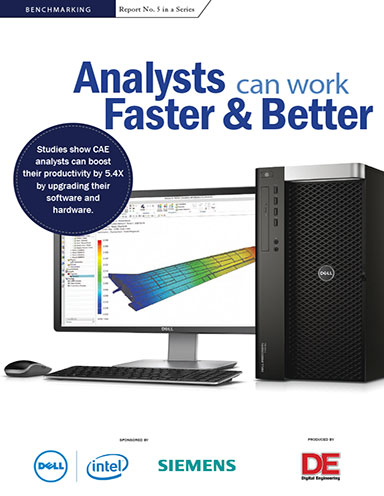
Benchmarking Report 5: Analysts Can Work Faster & Better
As the benchmarking results in this report show, you can slash the time spent on certain simulation runs by more than 81% when you upgrade to the latest Dell workstation technology and Siemens Simcenter simulation software, compared to using older hardware and software.

Kenneth Wong is Digital Engineering's resident blogger and senior editor. Email him at [email protected] or share your thoughts or suggestions at digitaleng.news/facebook.
Follow DE
Join over 90,000 engineering professionals who get fresh engineering news as soon as it is published.






About Us · Contact Us · Editorial Team · Advertising · Privacy Policy · Subscriber Services · © 2026 Digital Engineering 24/7 · Peerless Media