Helping design and engineering professionals discover, evaluate and specify technologies and processes that shorten the design cycle and enable success.


Alert!
Digital Engineering ceased publication on July 1, 2026. This website remains available as an archive of engineering content.
For inquiries or information, please email [email protected].

Digital Engineering April 2026
In the latest issue of Digital Engineering, we take a look at the latest innovations in design for additive manufacturing, including the use of natural language inputs, social media cosplayers, and AI integration. The issue also includes a feature…

January Special Focus Issue: Design for Additive
In this Special Focus Issue of Digital Engineering, learn about the latest advancements in design for additive manufacturing, including new software tools, additive in automotive, custom medical devices, and more.
That list doesn’t even include ideas to leverage AM to build small, unmanned rovers or creating end-use parts for its J-2X engine. Now, NASA is looking into the possibility of using lunar rocks to fuel 3D printers on the moon.
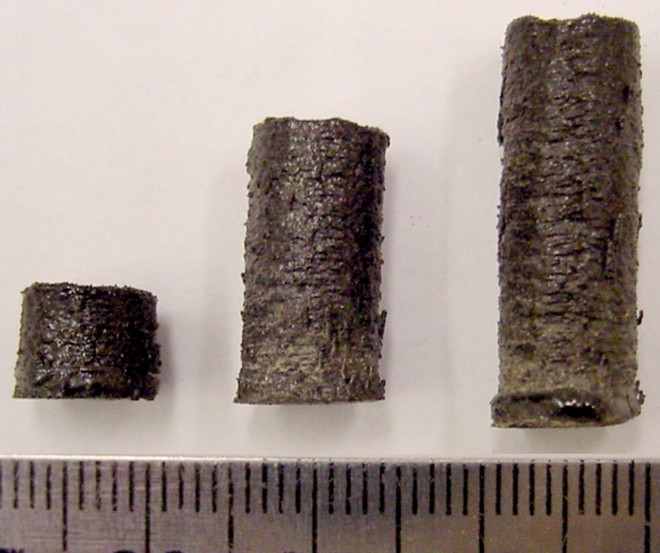
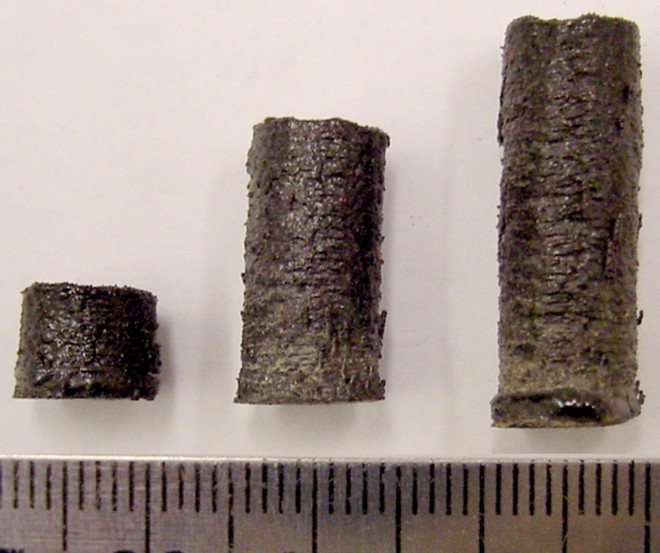
The idea started with a paper published in the Rapid Prototyping Journal, written by a group of researchers at Washington State University (WSU). The paper put forth the notion that lunar rocks could be crushed, and the material used with a laser sintering AM process to build objects.
Intrigued, NASA sent WSU some lunar regolith simulant. The substance is manufactured on Earth to simulate the mix of minerals found in lunar rocks, including silicon, aluminum, calcium, iron and magnesium oxides. Only NASA gets to play with real moon rocks, which are considered a national treasure.
WSU researchers used the simulant to test their theory, and found achieving consistent results was difficult, owing to the fact silicon and oxide don’t melt uniformly. Rather than just upping the power, the team achieved success creating tools using AM methods similar to those used for ceramics.
“If you go higher, then what will happen is you will go from honey to water, and then what happens?” said lead author, Amit Bandyopadhyay. “It flows so much that you cannot make a part. So you need to have, you know, high enough to melt, but low enough not to overflow, basically. That’s the challenge.”
Building spare or replacement parts on the moon could possibly save millions of dollars in shipping costs, but the process won’t work for everything. Lunar rocks don’t create a fine enough material to print electronics, but are just dandy for objects like nuts and bolts.
Below you’ll find a video about the process.


John Newman is a Digital Engineering contributor who focuses on 3D printing. Contact him via [email protected] and read his posts on Rapid Ready Technology.
Follow DE






About Us · Contact Us · Editorial Team · Advertising · Privacy Policy · Subscriber Services · © 2026 Digital Engineering 24/7 · Peerless Media