Helping design and engineering professionals discover, evaluate and specify technologies and processes that shorten the design cycle and enable success.


Alert!
Digital Engineering ceased publication on July 1, 2026. This website remains available as an archive of engineering content.
For inquiries or information, please email [email protected].

Digital Engineering September 2025
In the September issue of Digital Engineering, we look at trends in engineering education, how engineering schools are handling DfAM, the limitations of ROMs, VR engineering workflows, reports from the Paris Air Show and Hexagon LIVE, and more.
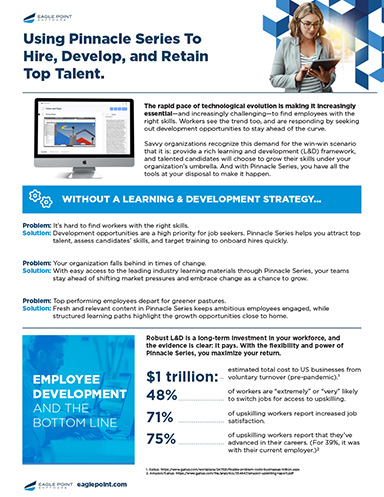
How Pinnacle Series Helps AEC Firms Attract, Train, and Retain Top Talent
Discover how AEC firms use Pinnacle Series to solve hiring challenges, upskill employees, and reduce turnover with personalized learning, skill assessments, and role-based training.
Reindustrialization is more than a manufacturing trend. It’s a pivotal moment for society. As nations strive for resilience and prosperity, engineering leaders in academia, industry, and nonprofit societies find themselves with the opportunity to shape an industrial future that is smarter, cleaner, and more inclusive.
At ASME, we see engineering as a vital part of this transformation, but we also recognize that technology alone isn’t a cure-all. By using digital tools and AI thoughtfully and responsibly, we hope to support reindustrialization in ways that protect both people and the planet, while acknowledging that this is a complex and ongoing journey.
The world is undergoing profound change. Global supply chains are being reimagined, and countries are investing in domestic manufacturing to strengthen economic security. Yet, this is not a simple return to the factory floors of the past. Today’s reindustrialization is powered by advanced technologies, including robotics, artificial intelligence (AI), digital twins, and simulation, that offer new possibilities for productivity and competitiveness.
These tools allow manufacturers to bring production closer to home, but they also raise important questions about efficiency, affordability, and sustainability. Unlike the mass-production era of the 20th century, this new wave of industrialization gives us a chance to minimize waste, reduce emissions, and use resources more wisely. If we approach this opportunity thoughtfully, reindustrialization could create jobs and improve lives. Still, we must be honest about the risks and uncertainties involved.
Engineers have an important role to play in this transition. Digital simulation and digital twin technologies let us design, test, and optimize manufacturing systems virtually, which can reduce material waste and speed up development. AI-driven predictive maintenance and process optimization can help cut energy use and emissions. These innovations are promising, but they also require engineers to learn new skills and adapt to new ways of working.
It’s clear that technology is changing the workforce. Many entry-level tasks that junior engineers used to do are now automated. AI systems can generate CAD drawings, analyze sensor data, and even produce test reports. So, young professionals may find fewer traditional pathways into the field. Therefore, education and industry must work together to create new forms of apprenticeship and learning. Engineers at all levels will need to understand AI—not just how to use it, but how to check and improve its outputs. Senior engineers will need to develop new skills in machine learning, AI model behavior, and digital ethics.
ASME is working to bridge this gap. Our Community College Engineering Pathways program helps students gain the skills and confidence to enter mechanical engineering-related careers. By offering resources, mentorship, and clear pathways, we help ensure that talented individuals from every community can participate in and benefit from these changes.
Bringing jobs home is important, but it’s just as important to do so responsibly, protecting both people and the planet. AI can help by simulating supply chain scenarios, selecting suppliers with lower carbon footprints, optimizing logistics, and reducing waste. In smart factories, AI-driven energy management systems can help align production schedules with renewable energy or minimize peak power usage. Combined with lifecycle assessment tools, these capabilities can help engineers design more sustainable production systems.
Ultimately, sustainable reindustrialization means growth that strengthens communities without harming the environment. Engineers will need to balance innovation with responsibility, and we recognize it won’t be easy.
ASME’s Engineering for Change (E4C) initiative is one way we’re trying to make a difference. E4C is a network of engineers and practitioners working to solve critical challenges for underserved communities worldwide. From clean water systems to renewable energy solutions, E4C projects show how engineering can improve lives while protecting the planet. As we move forward, these values will guide us, but there’s much more to learn.
At ASME, we see this moment as a chance to bring the engineering community together around a shared purpose: building an industrial future that works for everyone. Our mission—to advance engineering for the benefit of humanity—is especially relevant now. Through education, standards, and forums, we’re working to equip engineers with the skills and knowledge they need to lead responsibly, and open communication with other innovators will be key to our collective success.
One upcoming event is the ASME CATALYZE Sustainability Summit, scheduled for June 17–18, 2026, in Detroit. This summit will bring together leaders from engineering, industry, academia, and government to discuss the challenges and opportunities of sustainable reindustrialization. Topics will include AI-enabled workforce transformation, strategies for building resilience in global manufacturing, and best practices for aligning industrial growth with environmental goals. We see it as a space for honest conversation, collaboration, and learning.
The next few years will be pivotal. Governments and private investors are investing in domestic manufacturing, and the need for digitally fluent, AI-ready engineers is growing. Those who can bridge the gap between physical systems and digital intelligence will help shape the future of industry.
For engineers, the challenge is real—and so is the opportunity. By approaching AI as a collaborator, committing to ongoing learning, and prioritizing sustainability, we can help guide this new wave of reindustrialization with care and purpose. The future of industry is being shaped now, and ASME is dedicated to playing a constructive role in ensuring that its benefits extend to people, the planet, and future generations.
Anand Sethupathy is the Chief Strategy Officer (CSO) at the American Society of Mechanical Engineers (ASME), where he leads the organization’s global strategy, innovation, sustainability, international operations, and government relations.






About Us · Contact Us · Editorial Team · Advertising · Privacy Policy · Subscriber Services · © 2026 Digital Engineering 24/7 · Peerless Media