Helping design and engineering professionals discover, evaluate and specify technologies and processes that shorten the design cycle and enable success.


Alert!
Digital Engineering ceased publication on July 1, 2026. This website remains available as an archive of engineering content.
For inquiries or information, please email [email protected].
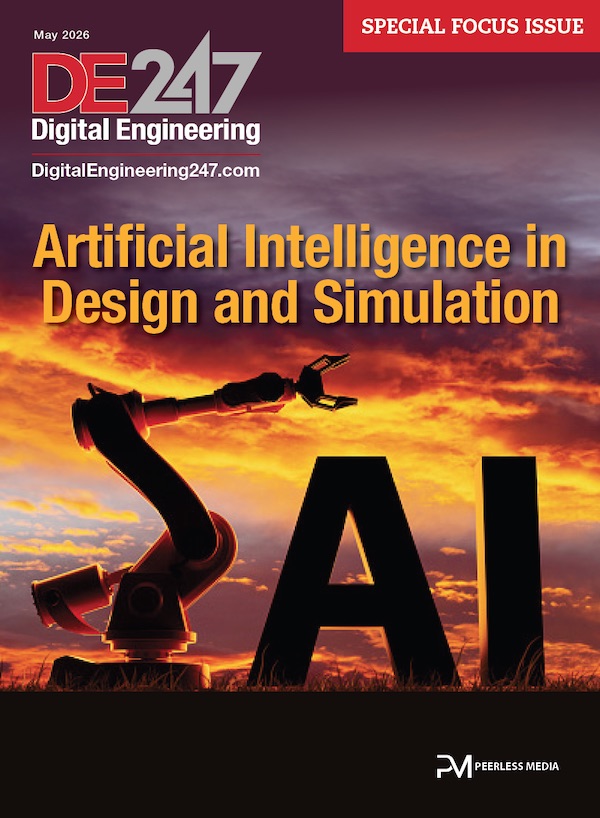
May 2026 Special Focus: Artificial Intelligence in Design and Simulation
In this Special Focus Issue, learn about the latest developments in the integration of artificial intelligence into engineering workflows.

Design & Simulation Software Guide 2025
In this Special Issue, Digital Engineering presents its second annual guide to design and simulation software vendors.
Dimensional Control Systems, Inc. (DCS) has announced that Tesla Motors has selected 1DCS and 3DCS solutions to provide tolerance analysis during the development of the Model S.
Tesla, the electric vehicle manufacturer based in Palo Alto, CA, launched 1DCS and 3DCS in late spring. Tesla’s design engineers are using 1DCS in the earliest stages of product development to explore hypothetical designs. 3DCS will provide the tools to run tolerance analyses of the Model S design and the associated manufacturing process using the functional tolerancing and analysis (FTA) process in CATIA.
“We are pushing the automotive and engineering limits at Tesla in our development of the Model S,” says Steve Bannasch, Tesla Motors’ Dimensional Engineering Manager. “To ensure our cars are first in quality, we must be the very best in fit and finish. DCS allows us to achieve our goals without adding unnecessary cost.
“Their solution is completely integrated with CATIA and provides the most flexibility of design,” continues Bannasch. “The DCS team has clearly taken the time to research the differences between rigid and flexible materials and the impact they have on tolerances.”
For more information, visit Dimensional Control Systems.
Sources: Press materials received from the company and additional information gleaned from the company's website.


DE's editors contribute news and new product announcements to Digital Engineering. Press releases may be sent to them via [email protected].
Follow DE






About Us · Contact Us · Editorial Team · Advertising · Privacy Policy · Subscriber Services · © 2026 Digital Engineering 24/7 · Peerless Media