Helping design and engineering professionals discover, evaluate and specify technologies and processes that shorten the design cycle and enable success.


Alert!
Digital Engineering ceased publication on July 1, 2026. This website remains available as an archive of engineering content.
For inquiries or information, please email [email protected].
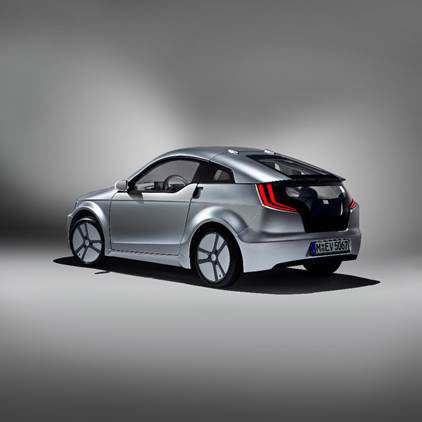 The ultra-lightweight urban electric concept vehicle from the Visio.M project uses LEXAN resin, a polycarbonate (PC) material, and coating technologies from SABIC, for each of the windows. Image courtesy of SABIC.
The use of this resin reduces the weight by over 13 kilograms (23 lbs.) and extends the vehicle's driving range by up to two kilometers for a single battery charge, a company press release states. The LEXAN resin is a polycarbonate material. By incorporating it into the design, the vehicle maintains a weight minimum, achieves gains in energy efficiency and extended range.
The electric concept vehicle is the culmination of over two and a half years of research and development as part of the Visio.M (Visionary Mobility) project. The goal of the project is to develop and produce a light electric car that is efficient, safe and mass-marketable. The current electric vehicle (EV) features a 15kW electric motor and a weight of 450 kilograms (992 lbs.).
“A significant share of an EV’s energy consumption depends on its weight,” said Stefan Riederer, BMW Research & Technology. “A low vehicle weight allows for smaller and lighter battery designs, in addition to lighter designs of the electric motor, the chassis and other components. The weight savings that we were able to achieve across our EV concept, including the significant drop in weight from the windows with SABIC’s materials and development support, allowed us to significantly reduce the amount of energy required to move the car and meet the design intent of the vehicle.”
For more information, visit SABIC and Visio.M.
Sources: Press materials received from the company and additional information gleaned from the company’s website.


DE's editors contribute news and new product announcements to Digital Engineering. Press releases may be sent to them via [email protected].
Follow DE






About Us · Contact Us · Editorial Team · Advertising · Privacy Policy · Subscriber Services · © 2026 Digital Engineering 24/7 · Peerless Media