Helping design and engineering professionals discover, evaluate and specify technologies and processes that shorten the design cycle and enable success.


Alert!
Digital Engineering ceased publication on July 1, 2026. This website remains available as an archive of engineering content.
For inquiries or information, please email [email protected].
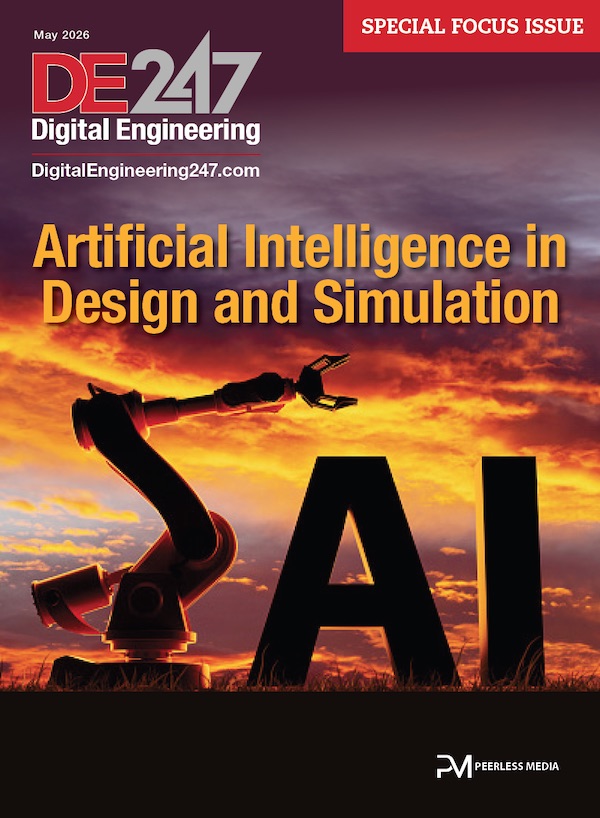
May 2026 Special Focus: Artificial Intelligence in Design and Simulation
In this Special Focus Issue, learn about the latest developments in the integration of artificial intelligence into engineering workflows.

Design & Simulation Software Guide 2025
In this Special Issue, Digital Engineering presents its second annual guide to design and simulation software vendors.
Global tech market advisory firm ABI Research forecasts that manufacturers' spend on simulation software will surpass US$2.6 billion in 2030. Spending will accelerate over the forecast period (growing by CAGR 7.1% between 2022 and 2030) as the user base of simulation software expands in aerospace, automotive, heavy machinery and the consumer-packaged goods sectors.
“In the past, manufacturers would create prototypes and test under certain conditions. Simulation software provides more flexibility by enabling manufacturers to examine how, for example, components in aircrafts and automobiles respond to heat and vibration, or how to optimize the layout of a printed circuit board in an electronic device. Also, manufacturers’ production lines are moving from batch to continuous manufacturing, so they need the ability to anticipate and alleviate bottlenecks relating to switchovers,” explains Michael Larner, Principal Analyst, Industrial & Manufacturing at ABI Research.
Simulation software solutions from the likes of Siemens, Dassault Systèmes and Hexagon help manufacturers not only to create products but also expand usage of simulation software by specialists as well as individuals in product development and on the factory floor. Simulating software now supports a wide number of decision makers, such as plant managers, systems engineers and maintenance teams.
However, vendors of simulation software for industrial applications face some challenges. “There is also a persistent tribal knowledge within some facilities where staff is hostile to change and so suppliers will need to overcome their lack of trust in simulation results. Suppliers will also need to work with their customers to understand the performance parameters and the acceptable tradeoffs in different verticals so that findings are based on reality and users trust the results,” Larner concludes.
These findings are from ABI Research’s Simulation Software in the Manufacturing Setting (AN 5419) application analysis report. This report is part of the company’s Industrial and Manufacturing research service, which includes research, data and ABI Insights. Based on extensive primary interviews, Application Analysis reports present in-depth analysis on key market trends and factors for a specific application, which could focus on an individual market or geography.
Sources: Press materials received from the company and additional information gleaned from the company’s website.


DE's editors contribute news and new product announcements to Digital Engineering. Press releases may be sent to them via [email protected].
Follow DE






About Us · Contact Us · Editorial Team · Advertising · Privacy Policy · Subscriber Services · © 2026 Digital Engineering 24/7 · Peerless Media