Helping design and engineering professionals discover, evaluate and specify technologies and processes that shorten the design cycle and enable success.


Alert!
Digital Engineering ceased publication on July 1, 2026. This website remains available as an archive of engineering content.
For inquiries or information, please email [email protected].

Digital Engineering September 2025
In the September issue of Digital Engineering, we look at trends in engineering education, how engineering schools are handling DfAM, the limitations of ROMs, VR engineering workflows, reports from the Paris Air Show and Hexagon LIVE, and more.
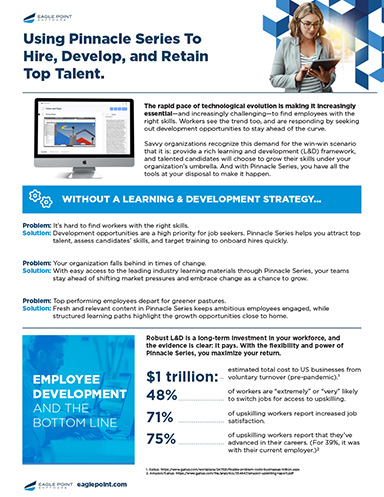
How Pinnacle Series Helps AEC Firms Attract, Train, and Retain Top Talent
Discover how AEC firms use Pinnacle Series to solve hiring challenges, upskill employees, and reduce turnover with personalized learning, skill assessments, and role-based training.
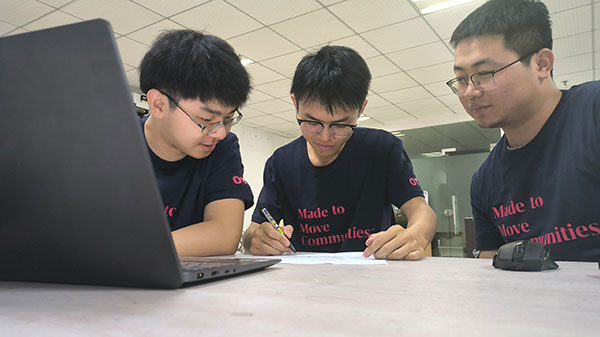
Otis Worldwide claims they are the company that is “Made to Move You.” Mobility is central to Otis’ vision to give people freedom to connect and thrive in a taller, faster and smarter world. In 2020, Otis unveiled its program, Made to Move Communities (MTMC)—an annual challenge in which Otis colleagues around the world work alongside local students to develop and build STEM-based solutions to pressing mobility issues.
Matt Turner is the senior director of global social impact at Otis Worldwide.
Digital Engineering: Can you provide an overview of the Made to Move Communities competition?
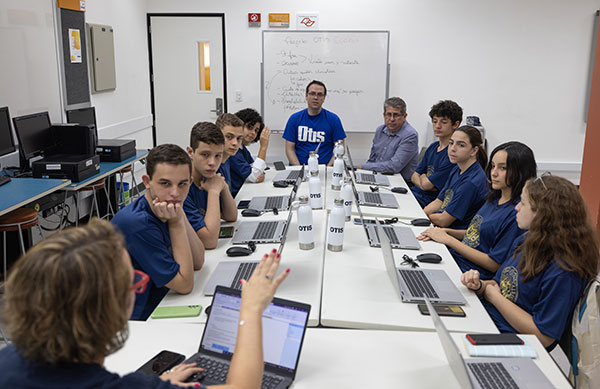
Matt Turner: The 8-week collaboration between Otis mentors and student teams at local high schools and universities is designed to spark an early interest in STEM. MTMC complements existing school programs with real-world lessons, helping ground students in STEM subjects to prepare for an evolving workforce. At the end of the program, student teams present their original solution ideas to Otis executives for the chance to be awarded grants toward their school’s STEM education efforts.
Since the program’s inception in 2020, Otis has had more than 500 student participants across 15 countries, and awarded over 50 grants to schools—with these numbers continuing to grow. The program is currently in its fourth year, and from September 2023 to April 2024 nearly 230 students across 15 countries are participating in 8 weeks of programming and mentoring sessions with 180 Otis employee volunteers. Together, they are working to identify and research mobility barriers and co-develop solutions to address this year’s theme: Solutions to expand access to green space to advance wellbeing for all.
DE: Can you tell us about some of the designs?
Turner: All solution designs stemming from MTMC are centered around inclusivity and making it easier—safer, more affordable and more equitable—for everybody to move around. Effective mobility solutions enhance all aspects of our communities. But when mobility is not inclusively designed, only certain populations benefit.
Throughout the 8-week program, students design solutions that tackle these barriers head on. Each year, the program tackles a different global challenge—in 2020, students designed mobility solutions to address the impact of COVID-19; in year two, solutions for older populations; in year three, solutions to reduce the impacts of climate change; and now, mobility solutions to increase access to green space.
DE: Can you provide examples of what the competition has produced?
Turner: Last year, the MTMC program set out to tackle its most urgent challenge yet: tasking students with developing unique mobility solutions to offset the challenges brought on by climate change in their local communities.
The winning solutions included:
For more examples of what the program inspires, you can view additional student solutions in the MTMC Year 3 video here.
Sources: Press materials received from the company and additional information gleaned from the company’s website.


Jim Romeo is a freelance writer based in Chesapeake, VA. Send e-mail about this article to [email protected].
Follow DE






About Us · Contact Us · Editorial Team · Advertising · Privacy Policy · Subscriber Services · © 2026 Digital Engineering 24/7 · Peerless Media