Helping design and engineering professionals discover, evaluate and specify technologies and processes that shorten the design cycle and enable success.


Alert!
Digital Engineering ceased publication on July 1, 2026. This website remains available as an archive of engineering content.
For inquiries or information, please email [email protected].

May 2026 Special Focus: Artificial Intelligence in Design and Simulation
In this Special Focus Issue, learn about the latest developments in the integration of artificial intelligence into engineering workflows.

April 2026 Special Focus Issue: Generative Design
In this Special Focus Issue, Digital Engineering takes a look at how generative design solutions can be used across different types of design problems and with a variety of manufacturing approaches to accelerate design space exploration, and…
 Argun Aggarwal, Desktop Metal. Image courtesy of Desktop Metal
Last month, reporting on Desktop Metal going public, Forbes calls the company a "3D printing unicorn."
With the pandemic causing supply chain interruptions, many hardware makers are forced to make difficult choices. 3D Systems, another AM hardware maker, is tightening its belt, according to Charlotte Business Journal. Earlier in June, Stratasys also had to make a similar move to downsize.
Going public in such an environment would indeed make a company seem like an exception, a unicorn.
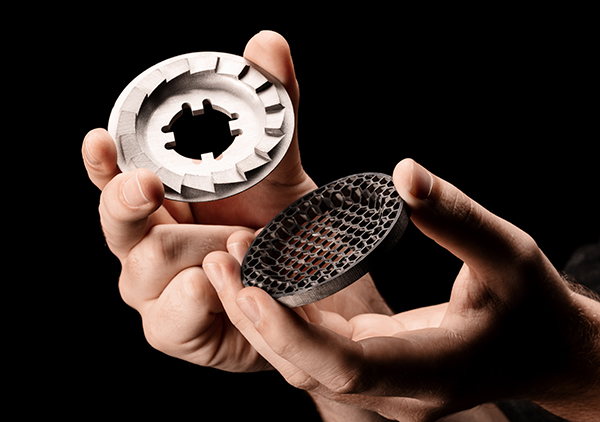
Arjun Aggarwal, Desktop Metal's VP of Product & Business Development, believes Additive Manufacturing (AM) is "graduating from rapid prototyping to something that can compete with conventional manufacturing" -- a transition he and his colleagues like to refer to as AM 2.0
In the new phase, "AM allows you to make parts in much greater quantity. Think hundreds of thousands or even millions, and make them at a much lower cost," said Arjun.
Going public "doesn't change our focus, or the vertical market we target. Certainly we'll look to expand our presence in some markets," Arjun reasoned. One reason the timing seems right is because the company is "on the verge of introducing several new products," he added.
The pandemic has highlighted AM's many benefits, including "the ability to manufacturing complex shapes that are highly optimized, or take many different parts and combine them into a single part [and] ... the opportunity to build a supply chain that's flexible and responsive to shifts, market preferences, and disruptions in the supply chain," he pointed out.
But the design freedom that comes with AM is possible only with the right software. "One of the things we've invested in, is the software called Live Parts, a generative design tool," added Arjun.
For more, listen to the full podcast above (intro and end music by Ben Sound).
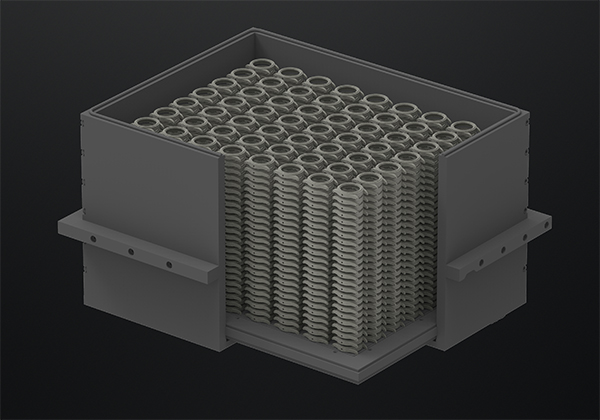 AM 2.0 signals the technology graduating from rapidprototyping to mass-manufacturing, said Desktop Metal. Image courtesy of Desktop Metal
About this podcast
Desktop Metal AM 2.0, Going Public, More
September 21, 2020 at 2:00 pm
8:30 hr/min/sec
Media file
Latest podcasts
Find us
Tune in to Digital Engineering 24/7's podcast and get engineering news, products and analysis from industry experts delivered in real time. Follow us on these popular platforms:

Desktop Metal was started to address a problem—how to make metal 3D printing accessible for engineering teams. In 2013, CEO Ric Fulop began collaborating with world-leading experts in materials science, engineering, and 3D printing. Their work…

Kenneth Wong is Digital Engineering's resident blogger and senior editor. Email him at [email protected] or share your thoughts or suggestions at digitaleng.news/facebook.
Follow DE






About Us · Contact Us · Editorial Team · Advertising · Privacy Policy · Subscriber Services · © 2026 Digital Engineering 24/7 · Peerless Media